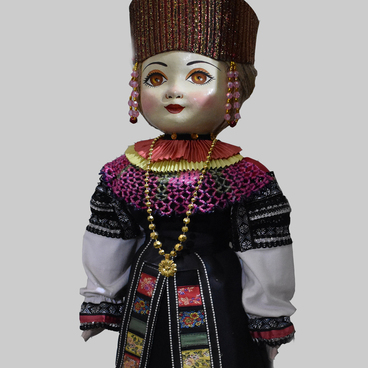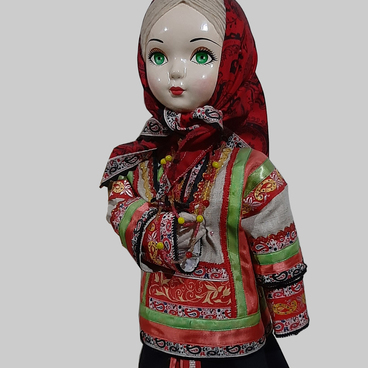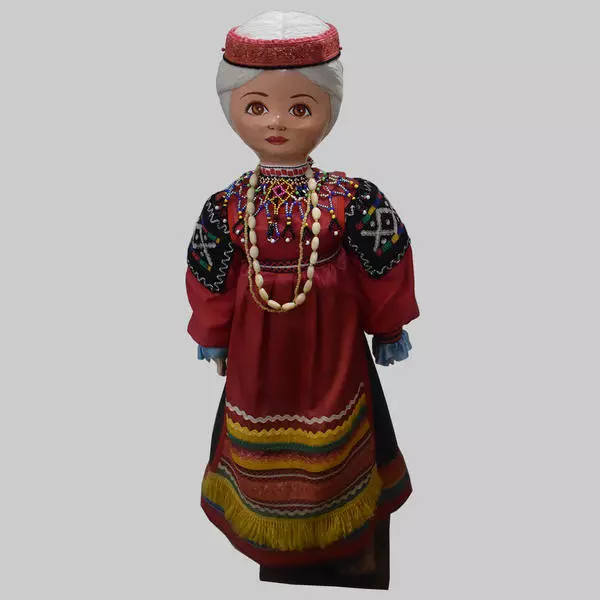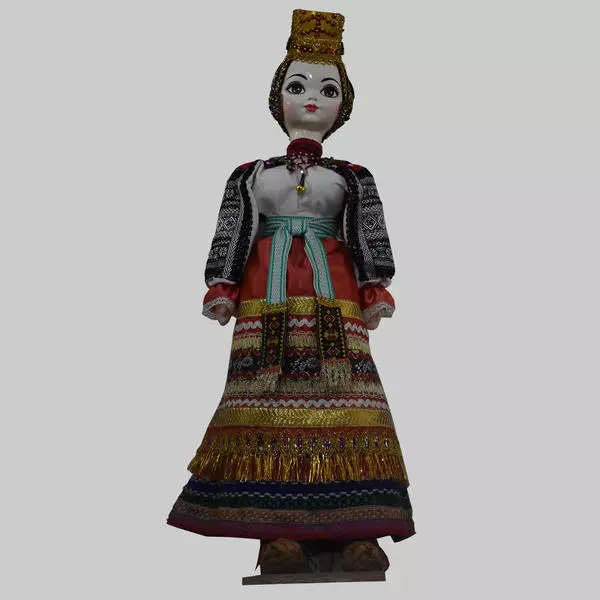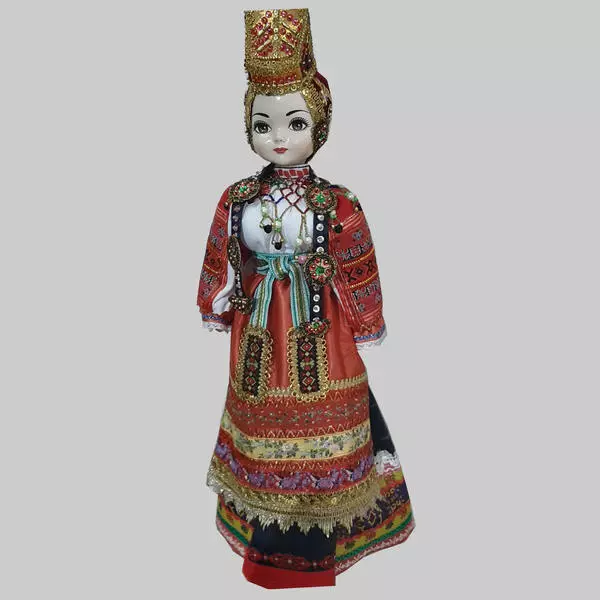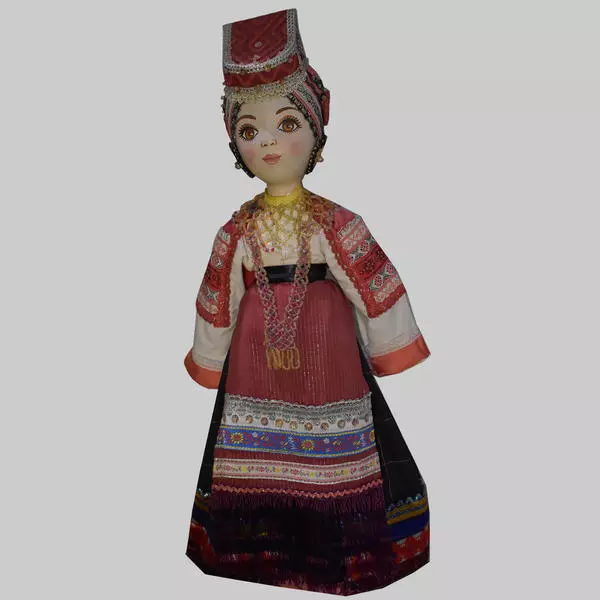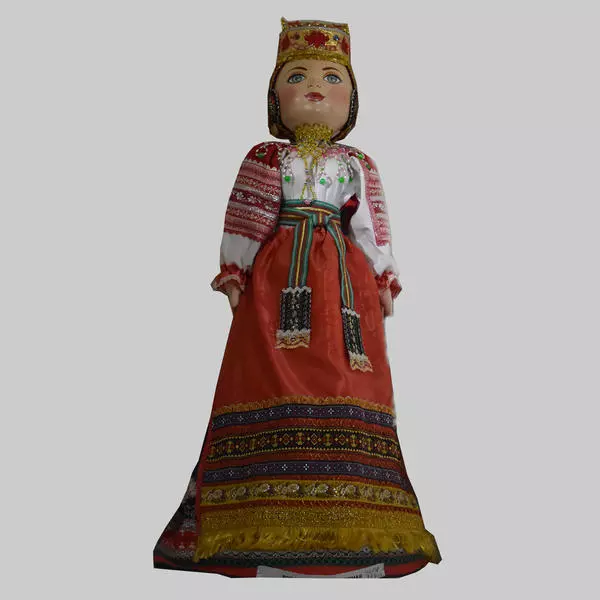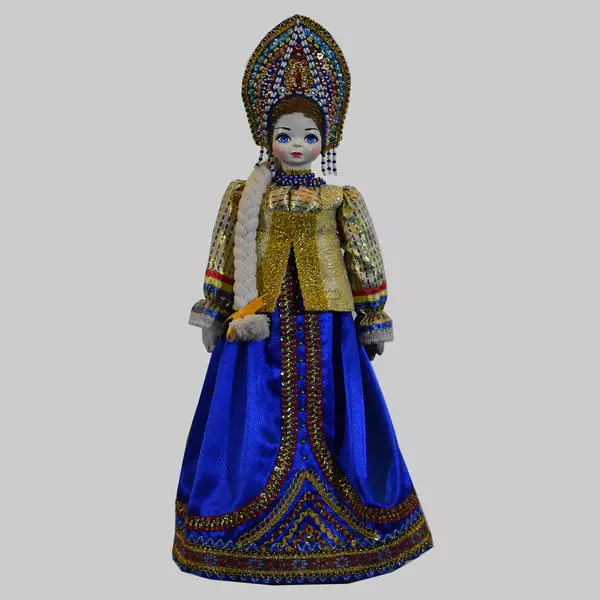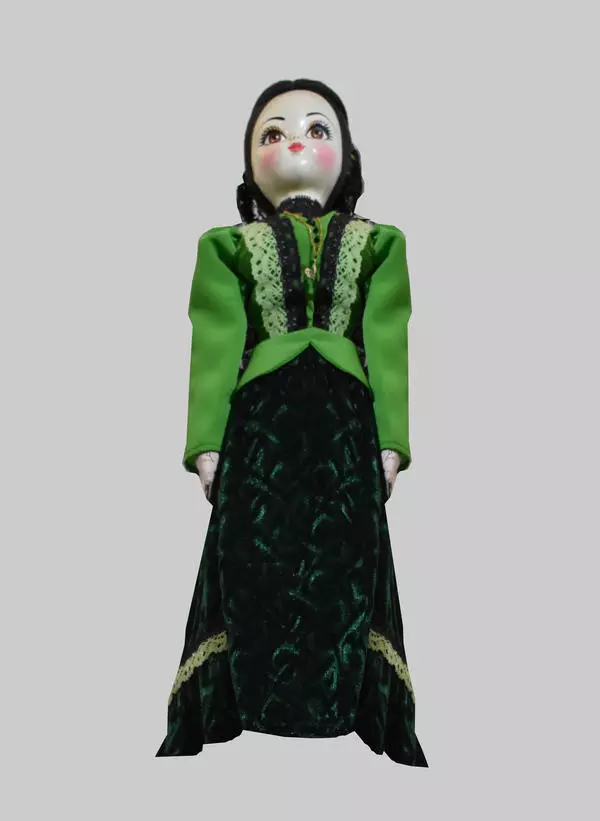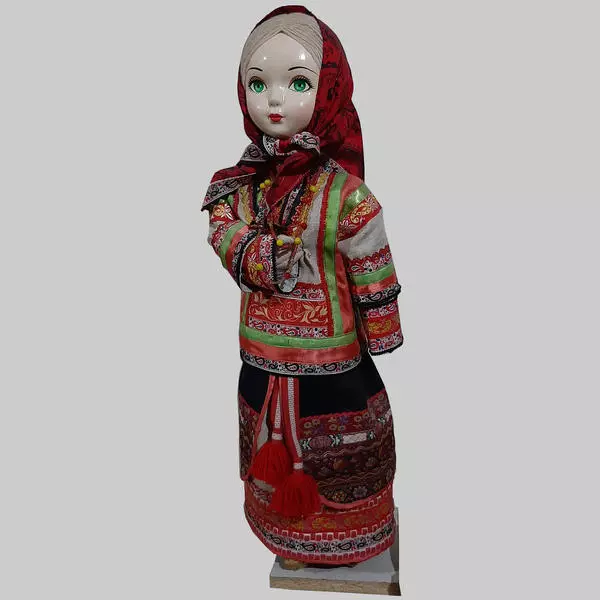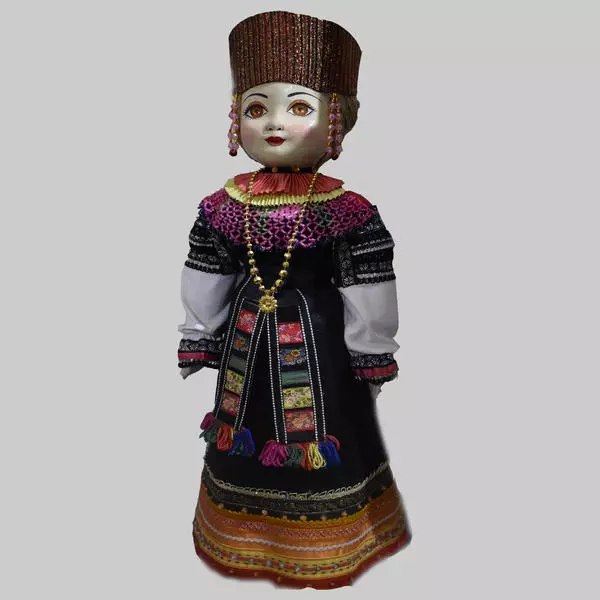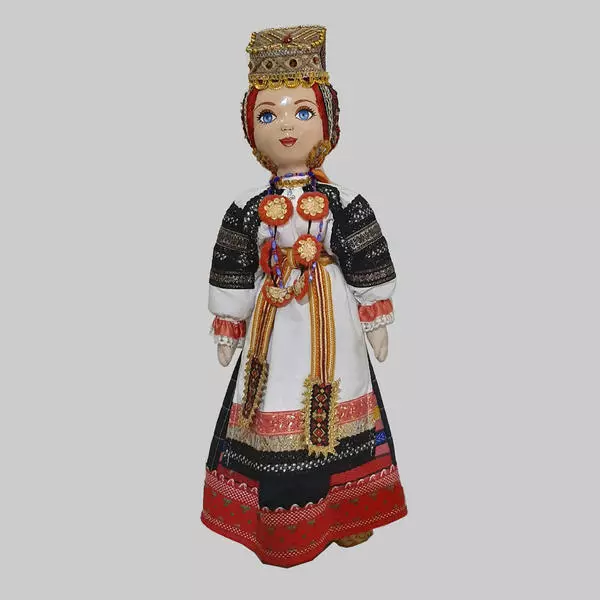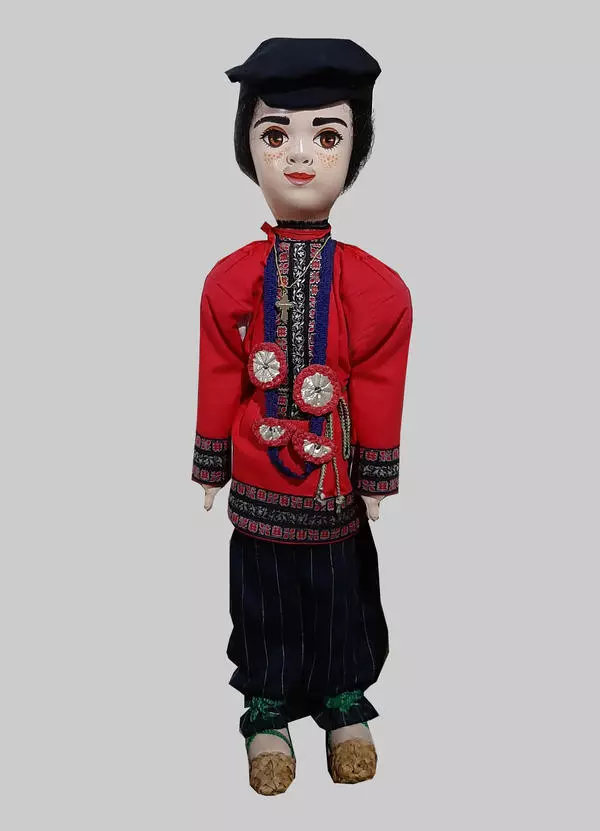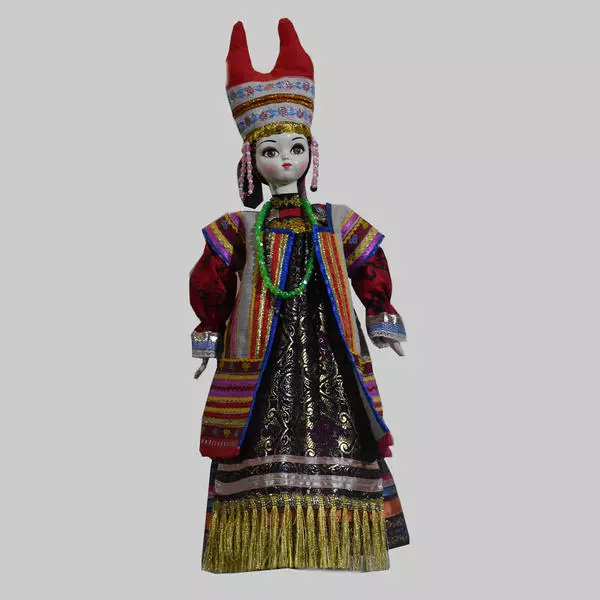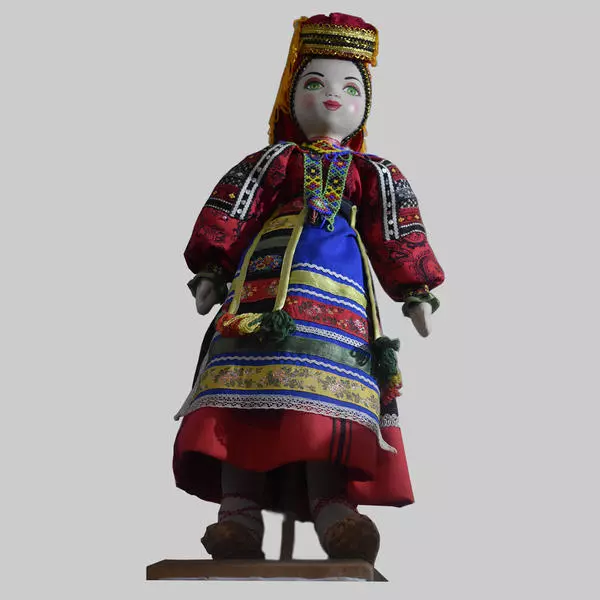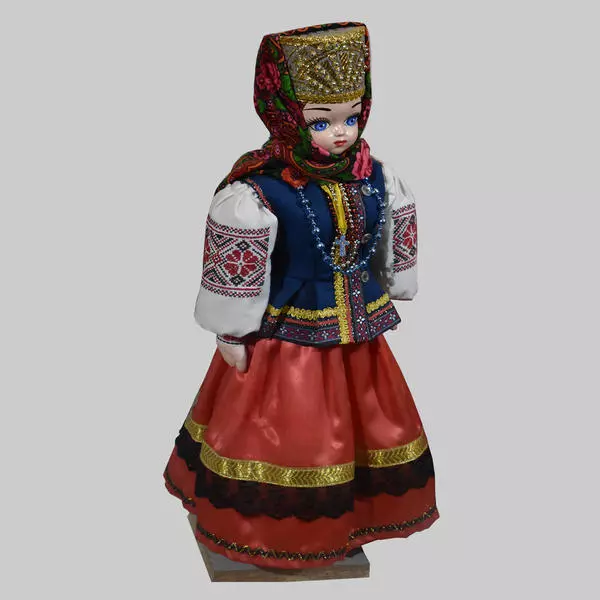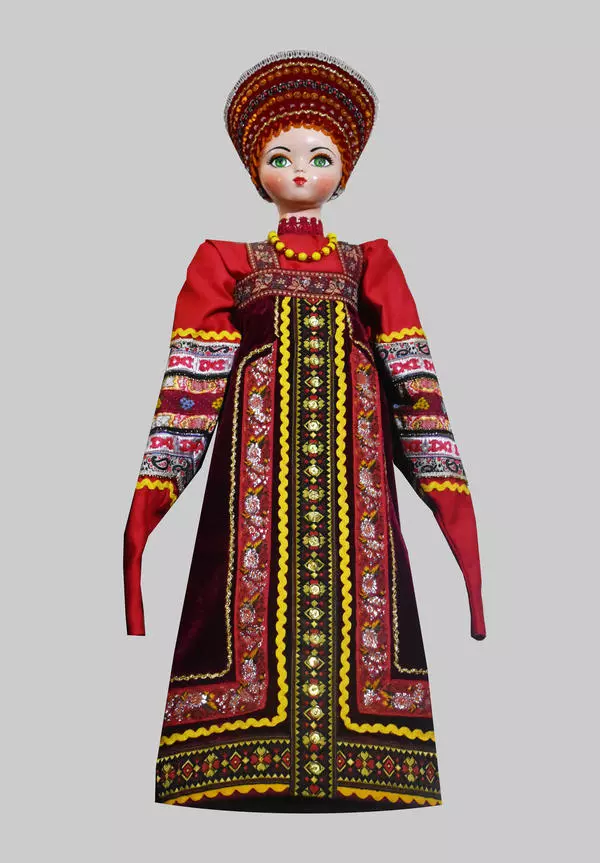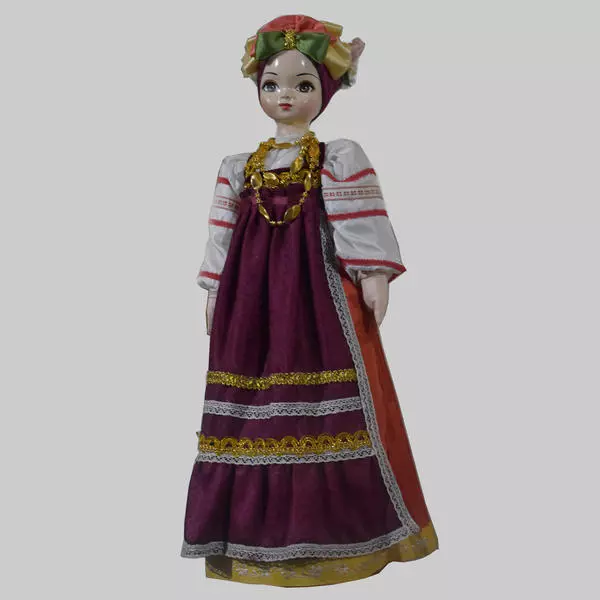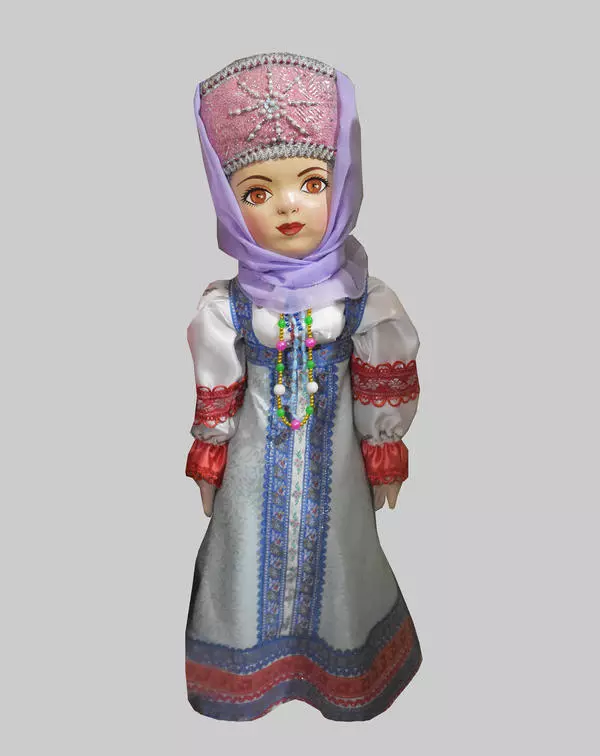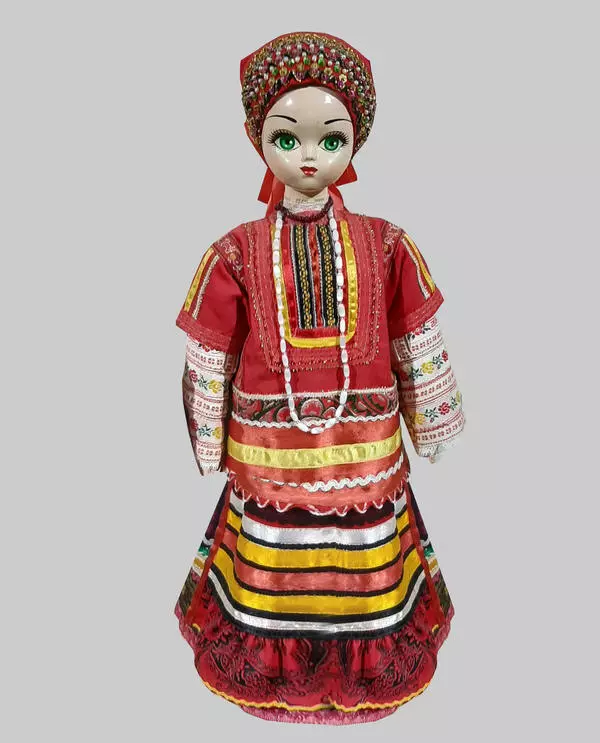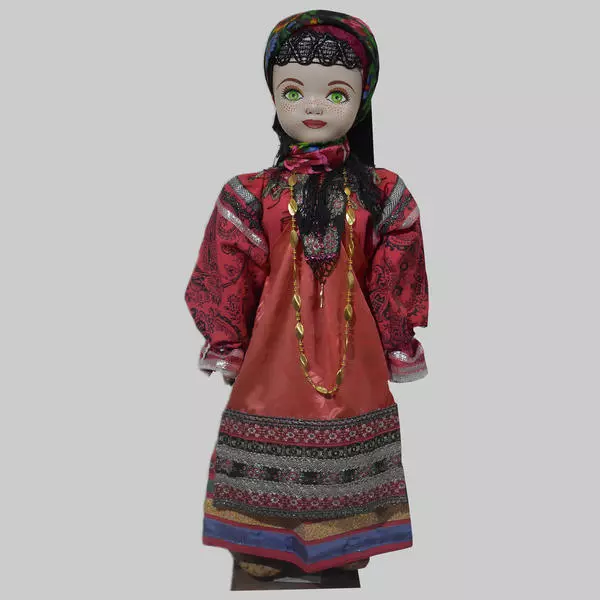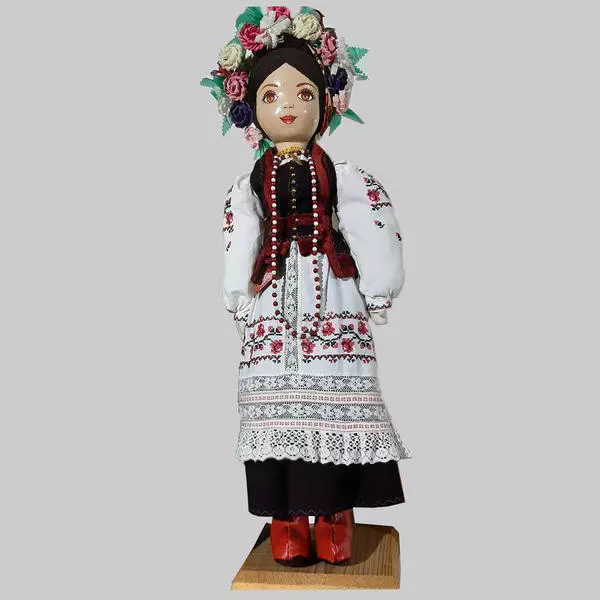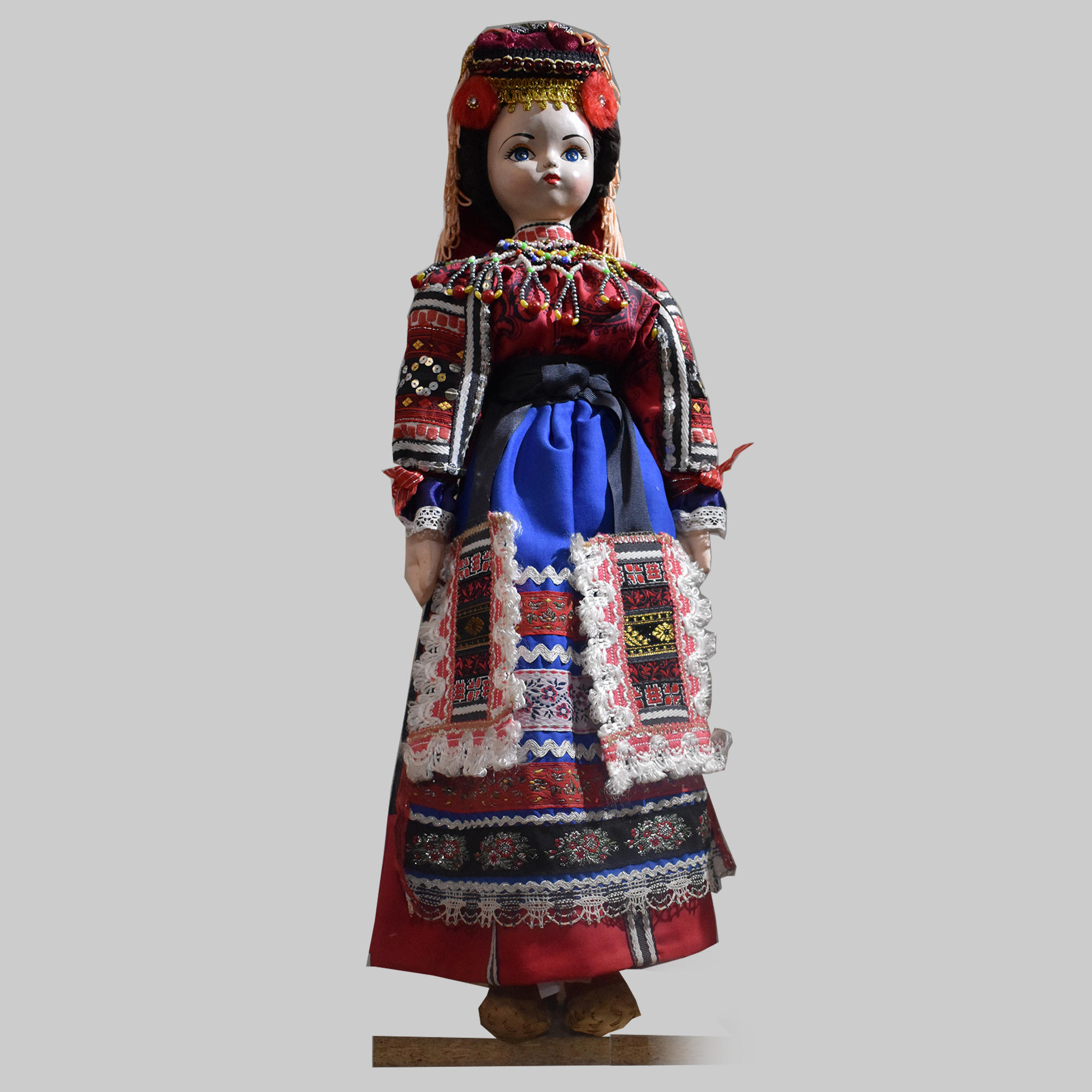


In every Russian region, the national costume has its own characteristics; the differences are in colour shades, structure, decor and ornament. The most radical differences have always been observed in the traditional clothing of the North and South of Russia. The Russian South is especially famous for its variety of folk costumes thanks to multinationality of these lands.
The region of Voronezh is the most prominent representative of Southern Russia, here folk costume’s peculiar features are the most visible. This is due to the regional settlement history. In the 16th century, servicemen, artisans, free Cossacks, immigrants from Ukrainian lands began to settle down on these boundless fertile territories. Numerous families migrated here from other regions. Every family brought its own customs to the land of Voronezh, including some national costume traditions. Two centuries later, Russian aristocracy and nobility from the capital started to receive allotments within this already inhabited land.
The Voronezh provincial costume was sewn from fabrics based on wool, nettle and hemp. Hemp flourished on ''chernozyom'' (literally, black soils) and was used not only in producing tissues, but also in cooking. Hemp oil came into use in Southern Russian regions much earlier than sunflower. Hemp seeds were ground into flour; later it was used in baking nutritious flatbread and making flour porridge called ''salamata''.
''Female'' hemp stems and leaves were more rigid, for this reason they were used for ropes and twine. Whereas thinner and more delicate “male” stems were used in weaving. In the old days, the choice of fabrics was narrow, so most of the national clothes were sewn from hemp cloths: shirts, zapans, aprons. Factory fabrics were considered a luxury, only wealthy families could afford them. Peasants wore homespun clothes. In everyday life, homespun canvases were called ''zamashkas''.
Embroidery with clear geometric patterns was characteristic of the province. A diamond-shaped ornament was especially popular among local embroiderers. Often during the embroidering process rhombus sides were continued with straight lines crossing at peaks. This pattern was called a ''burr'' and considered a symbol of life and fertility.
Each Voronezh village had its own peculiarities in clothing. The Buturlinovsky district traditional women’s costume had its own nuances and unique details which were not characteristic of clothing from other areas. Women’s costumes included a shirt, a ponyova, a zapan, an apron, a corset (fitted blouse), a tanned fur coat, bast shoes or boots, monists and beads, earrings or ''yantariki ''(amber). As a headdress, they wore a ''kichka'' or ''soroka'' (magpie), a kokoshnik, a scarf and a shawl.
The folk costume of Buturlinovsky district absorbed South Russian and Ryazan clothing traditions, as some villages, such as Klepovka and Gvazda, were founded by immigrants from the Ryazan region. We can trace connection between inhabitants of the Buturlinovsky villages and the Ryazan province traditions by speech nuances, similarity of weaving techniques and decorating costumes, producing goods for home use.
The region of Voronezh is the most prominent representative of Southern Russia, here folk costume’s peculiar features are the most visible. This is due to the regional settlement history. In the 16th century, servicemen, artisans, free Cossacks, immigrants from Ukrainian lands began to settle down on these boundless fertile territories. Numerous families migrated here from other regions. Every family brought its own customs to the land of Voronezh, including some national costume traditions. Two centuries later, Russian aristocracy and nobility from the capital started to receive allotments within this already inhabited land.
The Voronezh provincial costume was sewn from fabrics based on wool, nettle and hemp. Hemp flourished on ''chernozyom'' (literally, black soils) and was used not only in producing tissues, but also in cooking. Hemp oil came into use in Southern Russian regions much earlier than sunflower. Hemp seeds were ground into flour; later it was used in baking nutritious flatbread and making flour porridge called ''salamata''.
''Female'' hemp stems and leaves were more rigid, for this reason they were used for ropes and twine. Whereas thinner and more delicate “male” stems were used in weaving. In the old days, the choice of fabrics was narrow, so most of the national clothes were sewn from hemp cloths: shirts, zapans, aprons. Factory fabrics were considered a luxury, only wealthy families could afford them. Peasants wore homespun clothes. In everyday life, homespun canvases were called ''zamashkas''.
Embroidery with clear geometric patterns was characteristic of the province. A diamond-shaped ornament was especially popular among local embroiderers. Often during the embroidering process rhombus sides were continued with straight lines crossing at peaks. This pattern was called a ''burr'' and considered a symbol of life and fertility.
Each Voronezh village had its own peculiarities in clothing. The Buturlinovsky district traditional women’s costume had its own nuances and unique details which were not characteristic of clothing from other areas. Women’s costumes included a shirt, a ponyova, a zapan, an apron, a corset (fitted blouse), a tanned fur coat, bast shoes or boots, monists and beads, earrings or ''yantariki ''(amber). As a headdress, they wore a ''kichka'' or ''soroka'' (magpie), a kokoshnik, a scarf and a shawl.
The folk costume of Buturlinovsky district absorbed South Russian and Ryazan clothing traditions, as some villages, such as Klepovka and Gvazda, were founded by immigrants from the Ryazan region. We can trace connection between inhabitants of the Buturlinovsky villages and the Ryazan province traditions by speech nuances, similarity of weaving techniques and decorating costumes, producing goods for home use.