Font
Color
Graphics
Изображение точки

To see AR mode in action:

1. Install ARTEFACT app for iOS or Android;

2. Find the exhibition «Dolls in traditional costumes»

3. Push the «Augmented reality» button and point your phone's camera at the exhibit;

Скрыть точки интересаПоказать точки интереса
Показать в высоком качестве

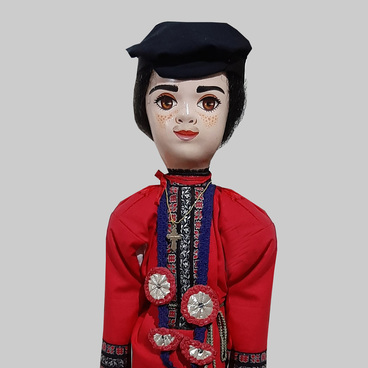
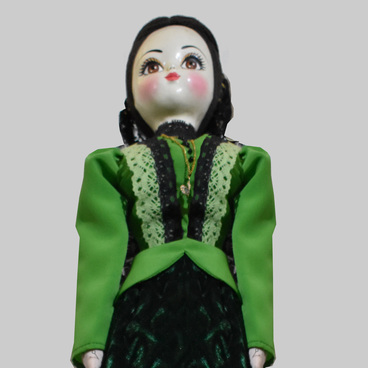
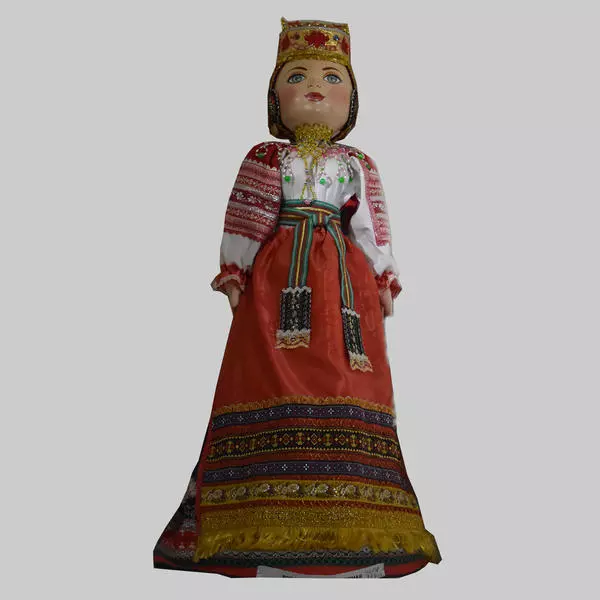
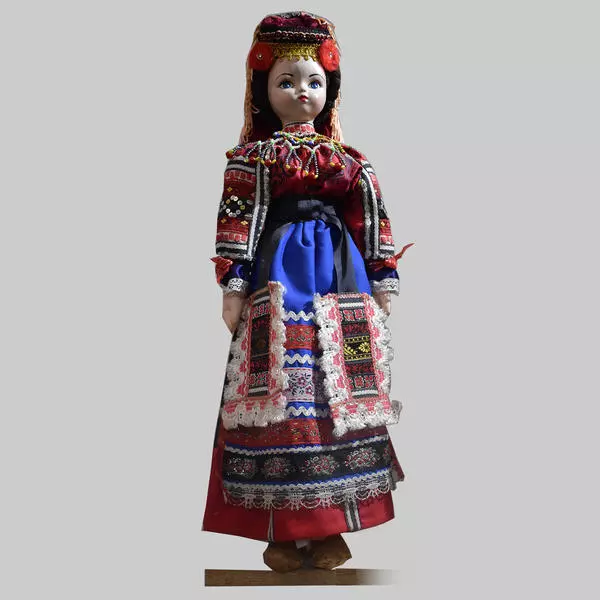
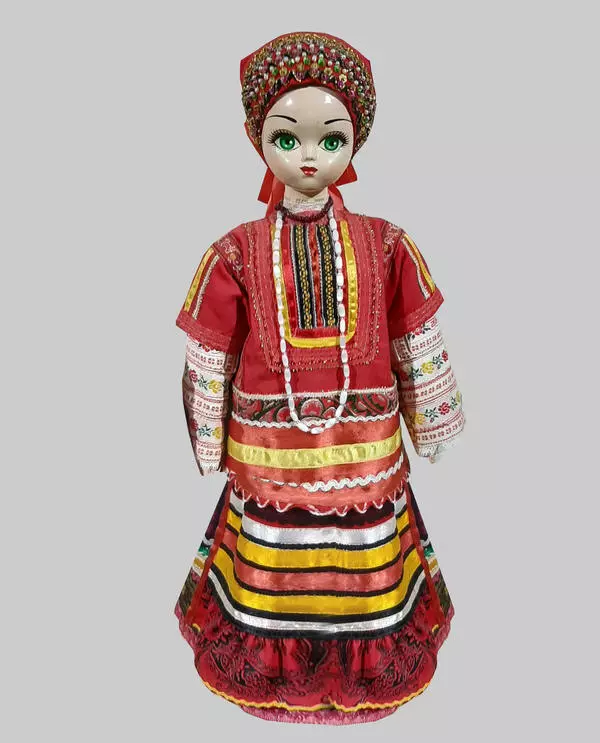
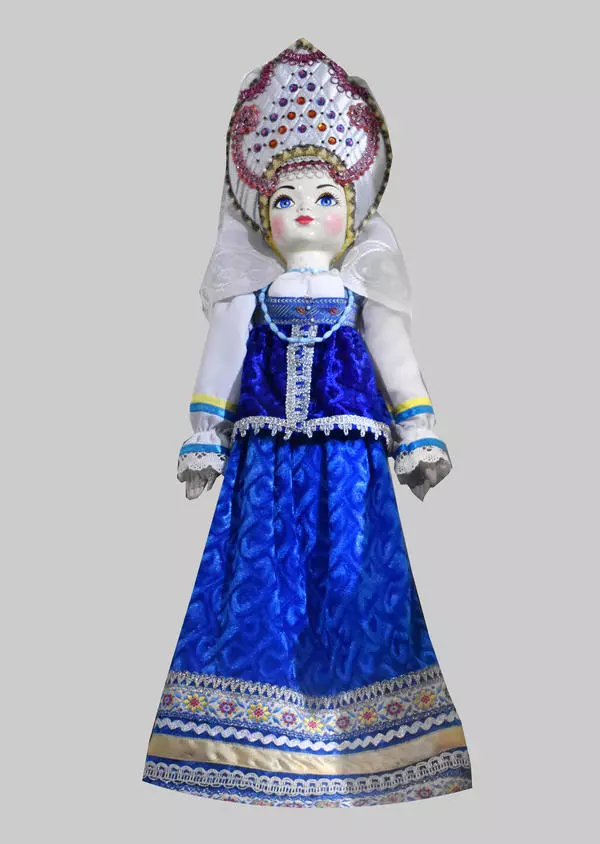
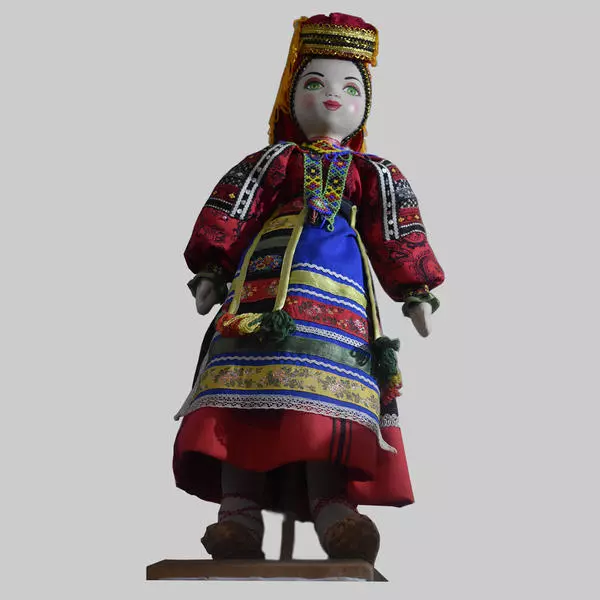
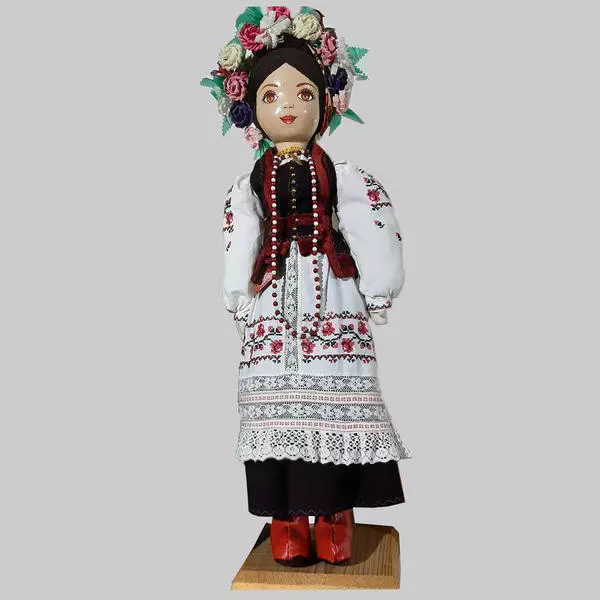
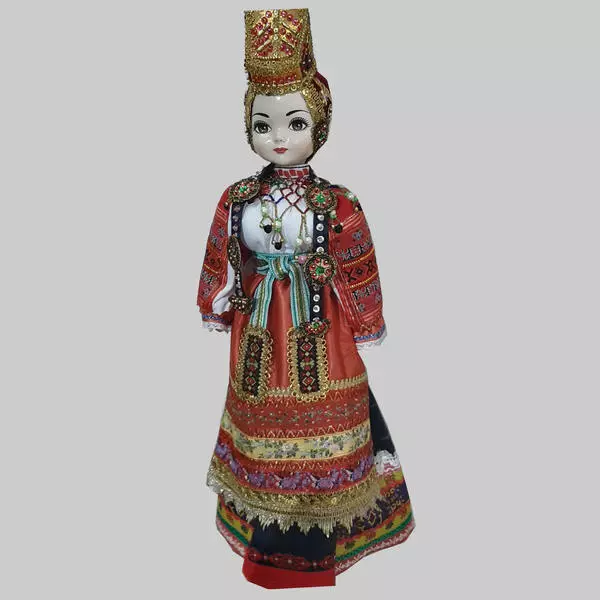
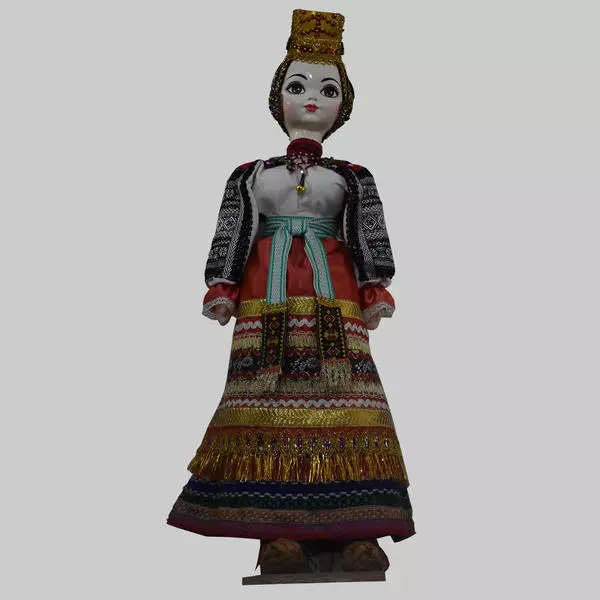
Muscovite Young Lady Doll

Creation period
the 20th century
Dimensions
50 cm
1
Open in app
#8
Valentina Gorbacheva
Muscovite Young Lady Doll
#9
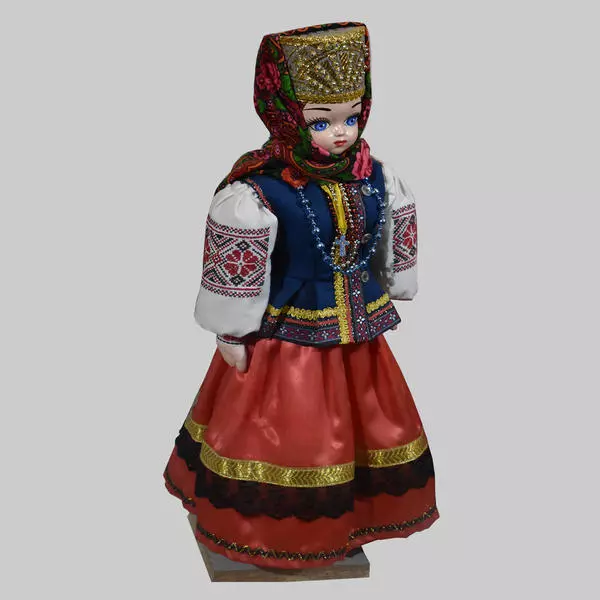
Our ancestors’ clothes were very harmonious and sophisticated. Each element of clothing revealed specific features of everyday life in different counties. They had not only fancy and casual costumes, but also different garments depending on the season, way of life, welfare, and marital status.

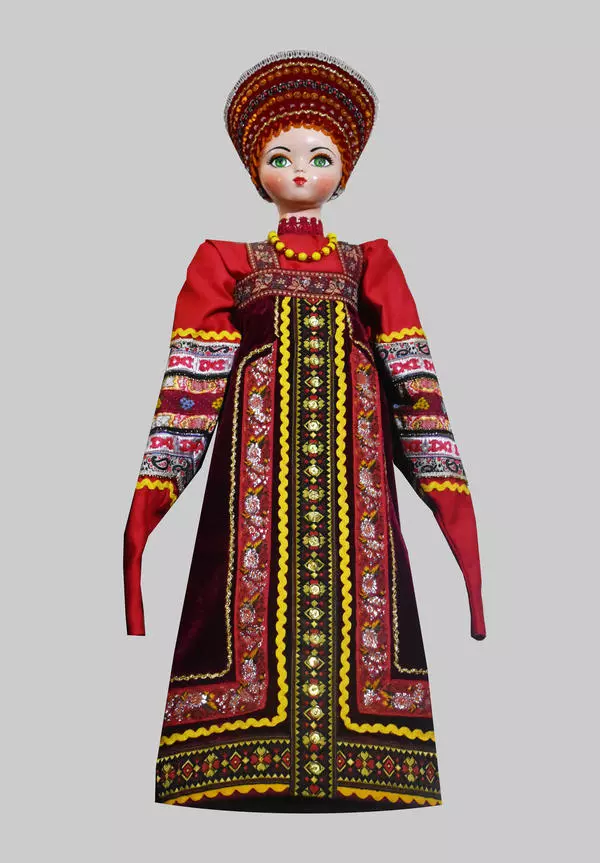
Women in Moscow Governorate wore a shirt that usually fully covered their arms. It was draped around the neck and fixed with fine embroidery. You could see people in streets wearing clothes of different fit. Garments with straight poliks, or shoulder pads, that were attached to the weft were usually worn with a trapezoidal sarafan. If poliks were attached to the warp, the garment was worn with a buttoned down sarafan. 

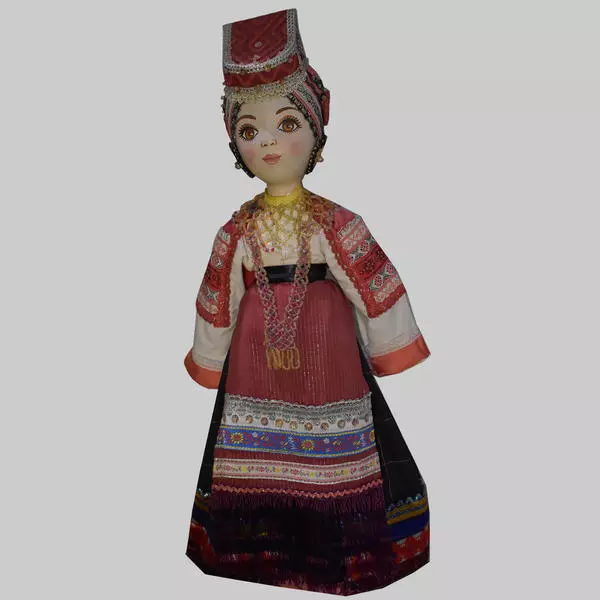
When a woman’s marital status changed, she also changed her clothing. When girls matured or got married, they started wearing a poneva wool skirt. This ancient female garment was fixed at waist height with a decorative rope. Later on, a poneva was replaced with more modern items – skirts and sarafans. Ladies living in towns started sewing sarafans earlier than countrywomen – already back in the 16th century. This garment was named after a man’s kaftan tunic.

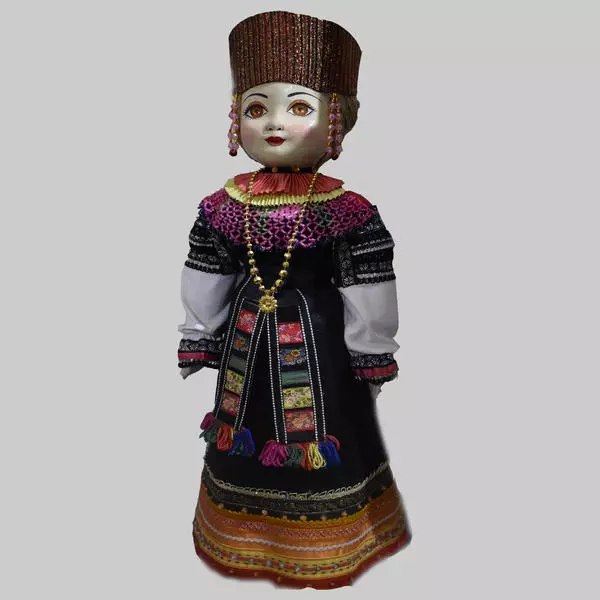
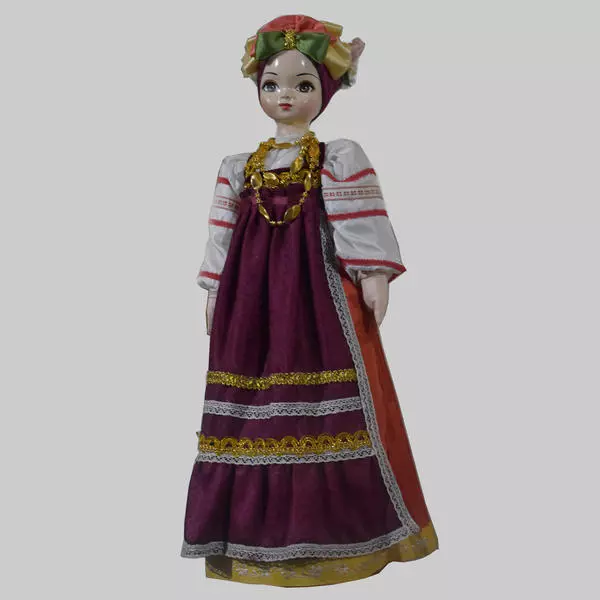
Women in Moscow Governorate loved sarafans. Kumashnik was the name of a popular trapezoidal sarafan. It could be with buttons or closed at the front. Later on, women started wearing straight strap sarafans, in Moscow Governorate such model was called a round sarafan, while in other regions it was dubbed a Moscow sarafan. 

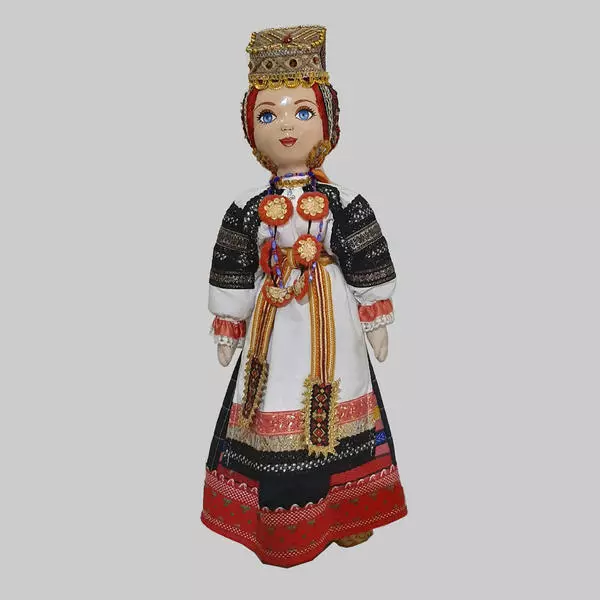
Headwear also reflected the marital status of a lady. Before marriage, girls wore different kinds of headbands, crowns, and towels. However, the top of the head always remained uncovered. The ritual of initiation into the married life always took place after the church wedding. Girls unbraided the bride’s hair and then made two braids placing them on the head in the form of a crown. This crown was then topped with a low one-horned kichka headdress. 

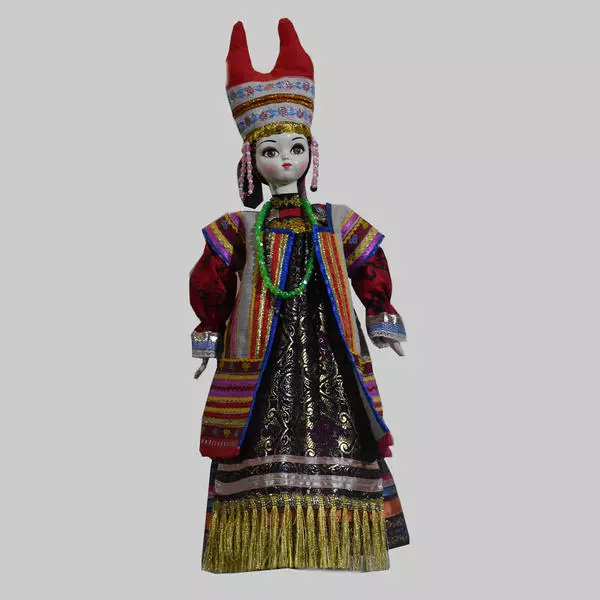
After giving birth to her first baby, the lady changed her headwear again. Instead of a one-horned kichka which she had the right to wear after marriage, she could now put on a head garment with a high horn or a decorated crown on a wired basis. This accessory showed that its owner proved her ability to give birth to a child. Women in Moscow Governorate had several types of headwear depending on where the lady lived. The simplest garments were in the Zvenigorod county where women wore kokoshnik and soroka headdresses.

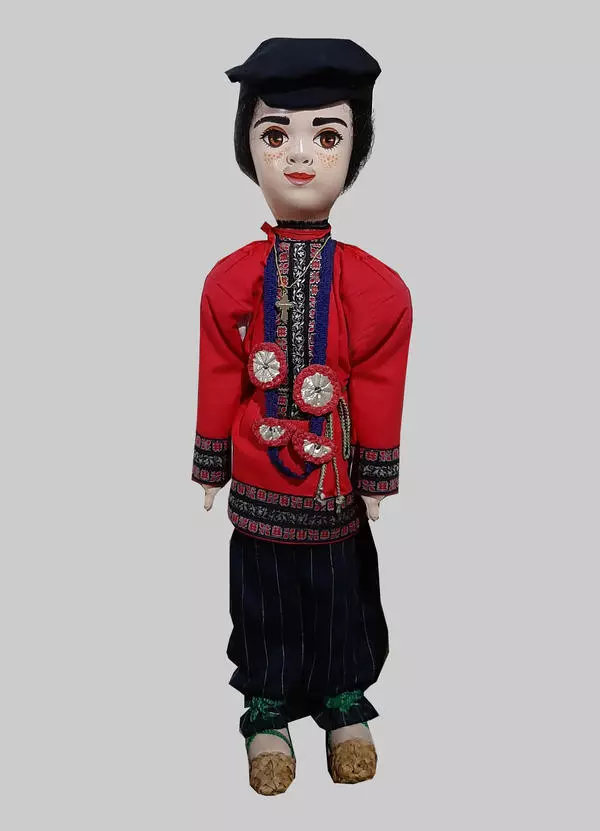
Women and men wore the same kind of shoes. The most common footwear until the first half of the 20th century was lapti bast shoes – casual and sometimes festive footwear. While citizens of the Moscow county had already started wearing leather boots and koty fur shoes instead of lapti, peasants in the Serpukhov and Ruza counties continued wearing lapti with wool socks.

#10
View in the State Catalogue
read morehide
00:00
00:00
1x

Muscovite Young Lady Doll

Creation period
the 20th century
Dimensions
50 cm
1
Point your smartphone camera to open in the app
Share
VkontakteOdnoklassnikiTelegram
Share on my website
Copy linkCopied
Copy
Open in app

Горбачева В.Я. Collection of works

Doll in Wedding Valdai Costume
The Boguchar District Museum of Local History
Doll in Ryazan Province Traditional Costume
The Boguchar District Museum of Local History
Doll in a vintage costume of Klepovka village
The Boguchar District Museum of Local History
Doll in a national Ostrogozhskiy costume
The Boguchar District Museum of Local History
Doll in old folk costume from Puzevo village
The Boguchar District Museum of Local History
Doll in Ostrogozhsk Costume
The Boguchar District Museum of Local History
Doll in a Costume from Ostrogozhskiy Parish
The Boguchar District Museum of Local History
Ryazan Region Doll
Ryazan Region Doll
The Boguchar District Museum of Local History
A doll in a Nizhnedevitsky old costume
The Boguchar District Museum of Local History
Cossack Woman Doll
Cossack Woman Doll
The Boguchar District Museum of Local History
Doll, a Girl with a Braid
The Boguchar District Museum of Local History
Doll in old costume from village Gvazda
The Boguchar District Museum of Local History
Doll in a Folk Costume Girl of Marriageable Age
The Boguchar District Museum of Local History
Doll of Smolensk Governorate
The Boguchar District Museum of Local History
Doll in Gvazda Village Traditional Costume
The Boguchar District Museum of Local History
Kursk Region Doll
Kursk Region Doll
The Boguchar District Museum of Local History
Doll in Boguchar Traditional Costume
The Boguchar District Museum of Local History
Doll in old costume from Rossoshki village
The Boguchar District Museum of Local History
Souvenir Voronezh Doll in Soroka
The Boguchar District Museum of Local History
Philipp Doll
Philipp Doll
The Boguchar District Museum of Local History
To see AR mode in action:
  1. Install ARTEFACT app for 
  2. iOS or Android;
  3. Find and download the «Paintings in Details» exhibition
  4. Push the «Augmented reality» button and point your phone's camera at the painting;
  5. Watch what happens on your phone screen whilst you flip through the pictures.
 
We use Cookies
Cookies on the Artefact Website. We use cookies to ensure that we give you the best experience on our website. If you continue without changing your settings, we'll assume that you are happy to receive all cookies on the Artefact website. However, if you would like to, you can change your cookie settings at any time.
Learn more about useHide
Content is available only in Russian

X

Нашли опечатку?...

%title%%type%