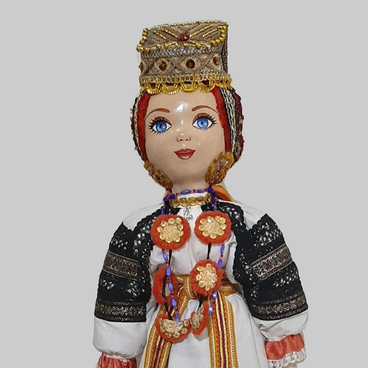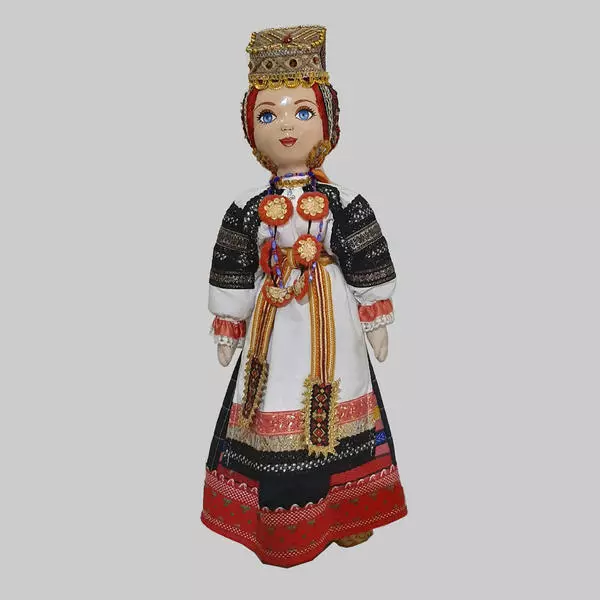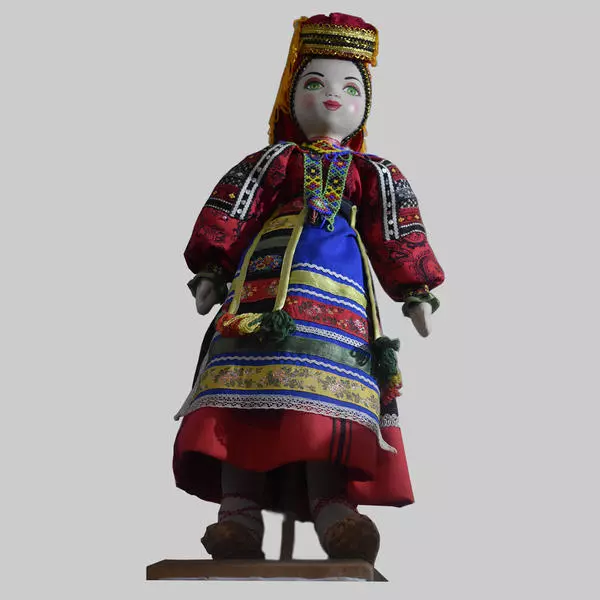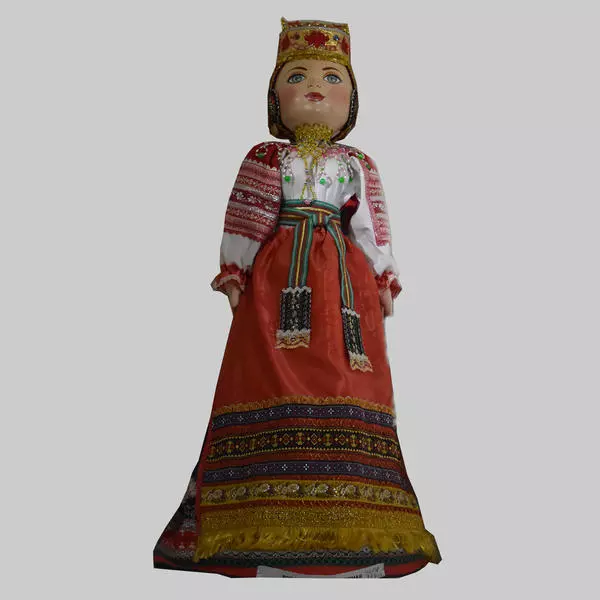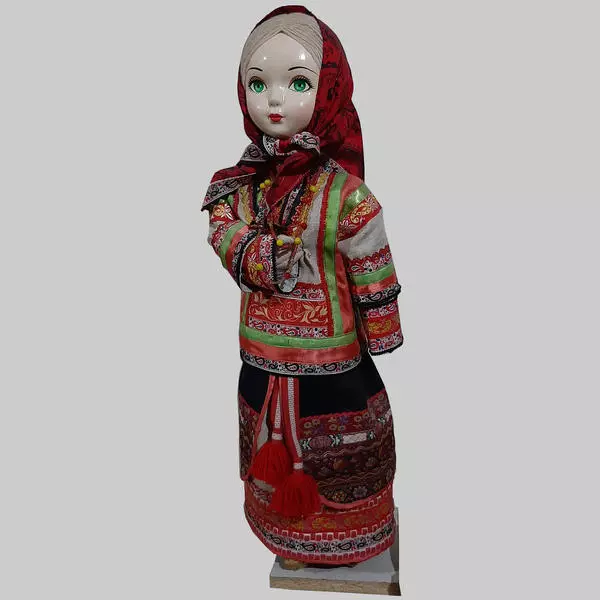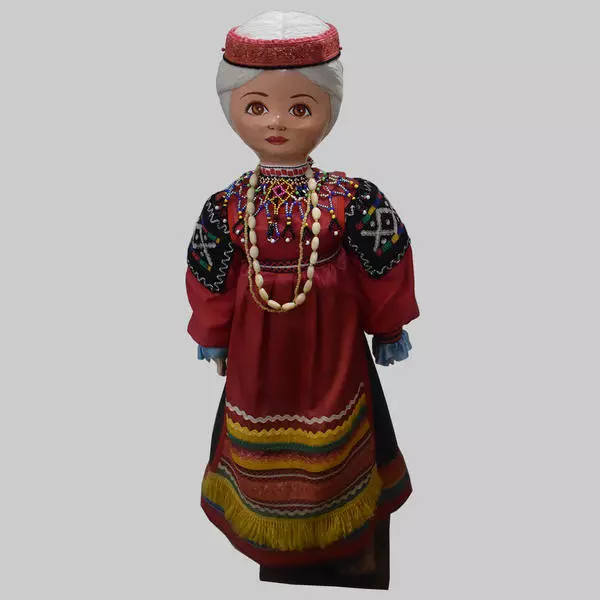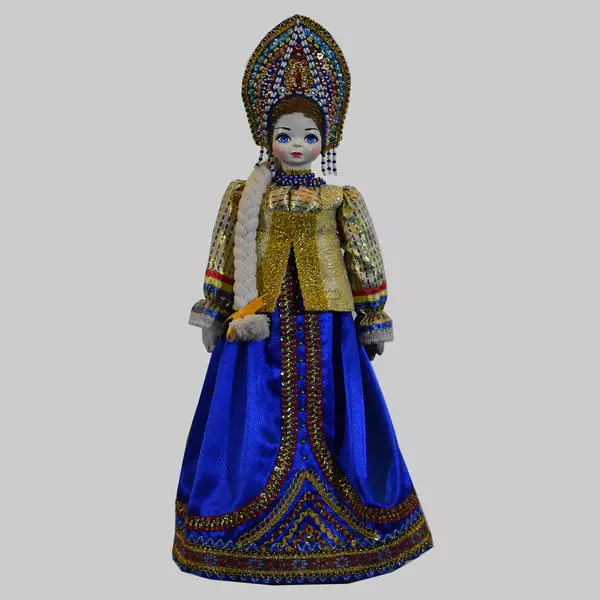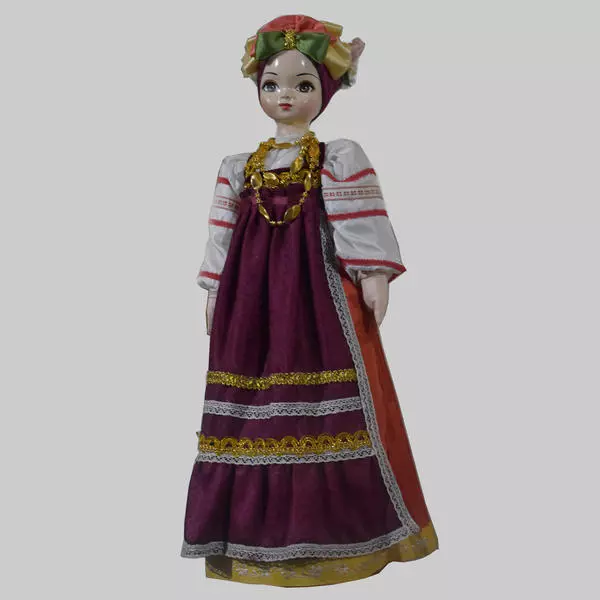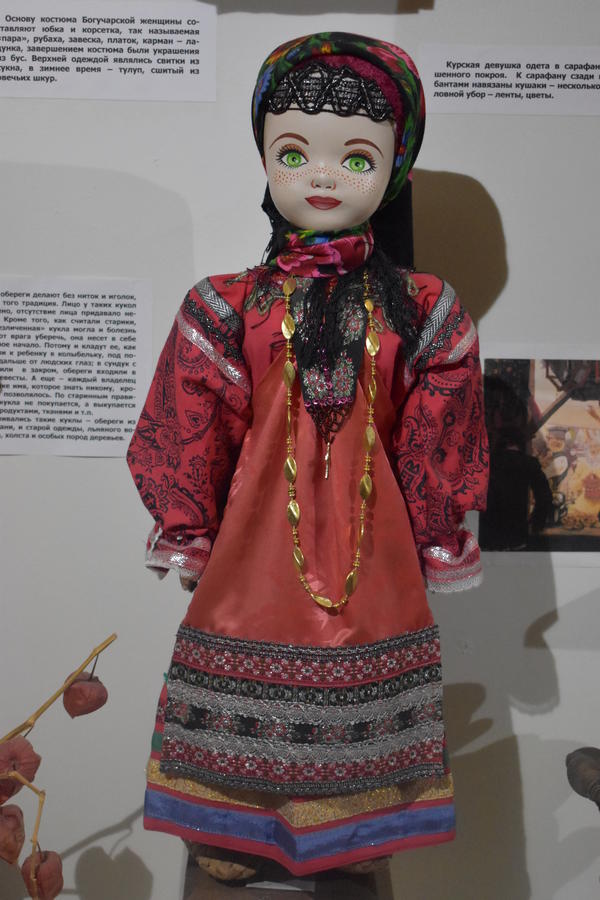
This green-eyed doll with freckles generously scattered on her round face is wearing an original colourful female costume characteristic of the Nizhnedevitsky district. Women wore such clothes here during the late 19th and early 20th centuries. The peculiar and catchy detail of a traditional costume was a wide belt with ''makhras'', or ''terry, ’ - threads or tassels hanging around the edges of the clothing and resembling a fringe. “Makhras” were manually made of rainbow colour threads, purchased bright ribbons and hem (fringe or lacing with gold and silver thread) were sometimes added to them. Fabrics for shirts were also bought from visiting merchants.
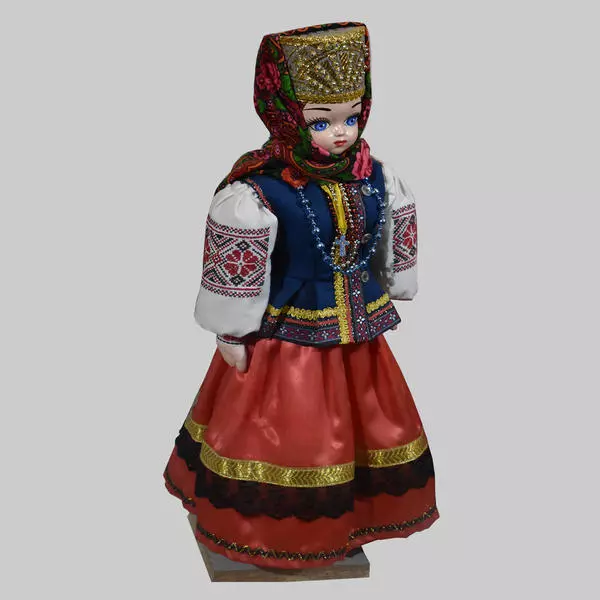
The outfit is complemented by a red ''curtain'', or ''veil'' (apron), decorated with ribbons and braids, a ''poddushnik '' (an element covering the collar of the shirt), and a ''podpruzhka'' (an element made of a narrow fabric strip and supporting the veil). The finishing touch of this image is a scarf made of silk Chinese fabric with a gold pattern. Nizhnedevitsky peasant women used to put on a soft chintz hat called ''shlychok'' under a headscarf. It was decorated with lace or skillfully embroidered with silk and beads ''ochelye'' (''around the head''), which covered almost the entire forehead. A short ribbon with a mascot icon and several threads of multi-coloured beads was worn over a shirt and a poddushnik.
The outfit is complemented by a red ''curtain'', or ''veil'' (apron), decorated with ribbons and braids, a ''poddushnik '' (an element covering the collar of the shirt), and a ''podpruzhka'' (an element made of a narrow fabric strip and supporting the veil). The finishing touch of this image is a scarf made of silk Chinese fabric with a gold pattern. Nizhnedevitsky peasant women used to put on a soft chintz hat called ''shlychok'' under a headscarf. It was decorated with lace or skillfully embroidered with silk and beads ''ochelye'' (''around the head''), which covered almost the entire forehead. A short ribbon with a mascot icon and several threads of multi-coloured beads was worn over a shirt and a poddushnik.
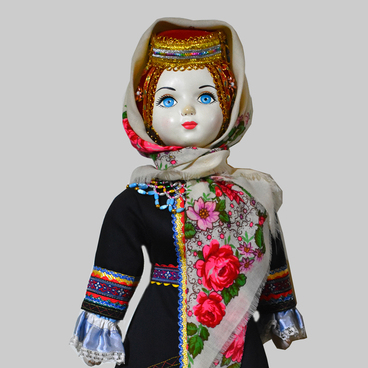
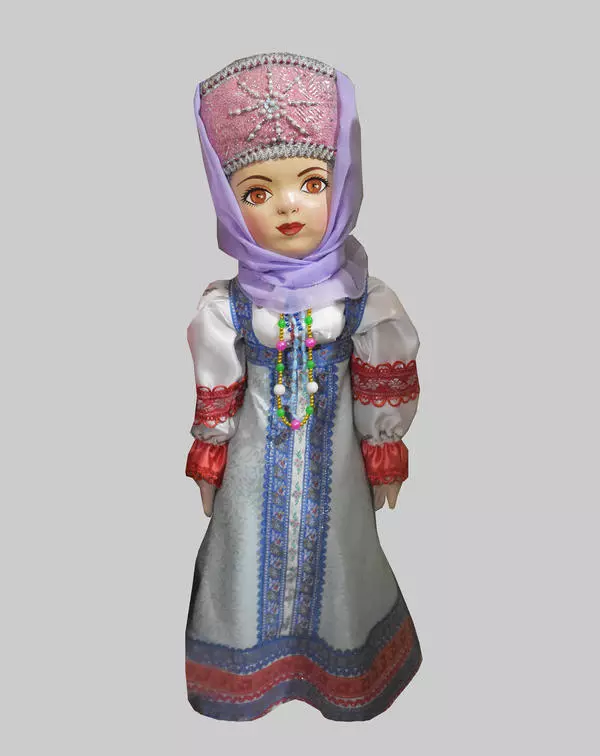
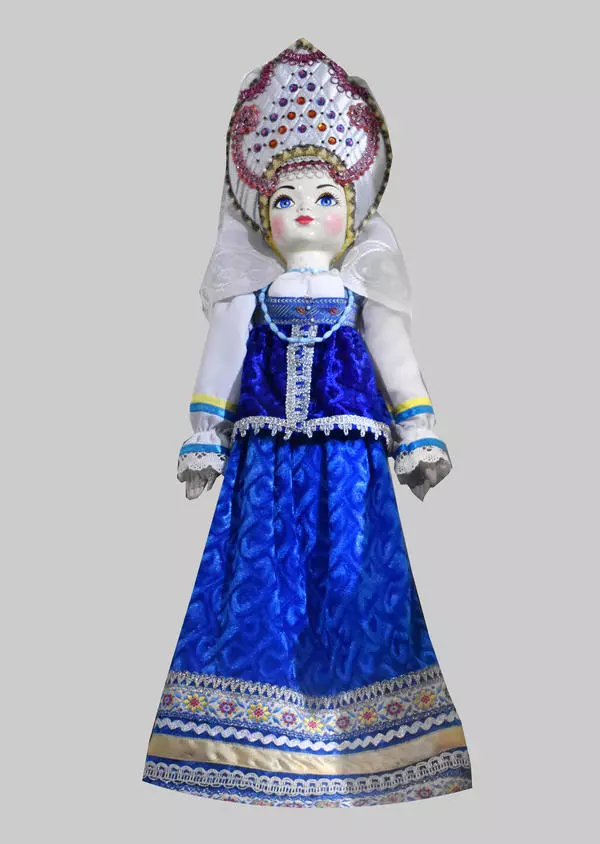
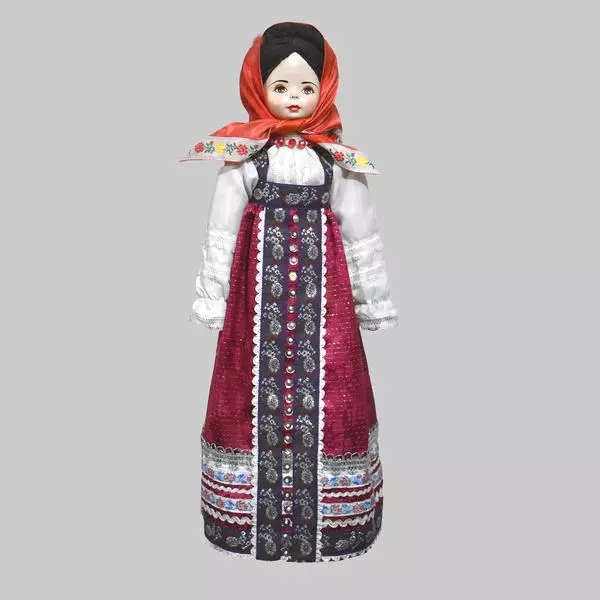
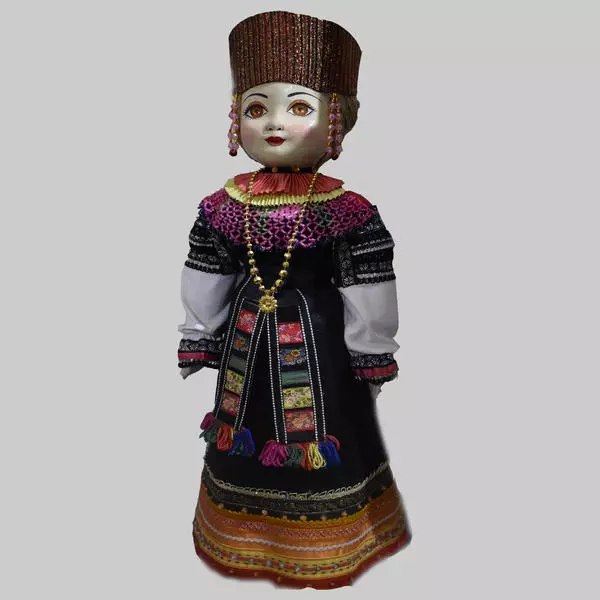
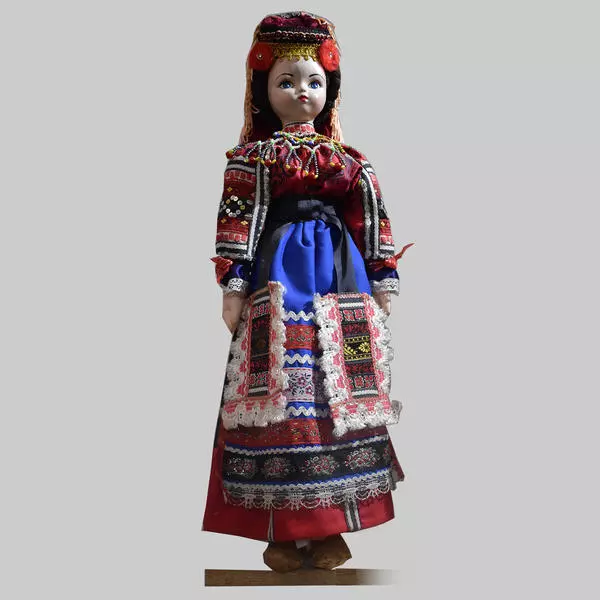
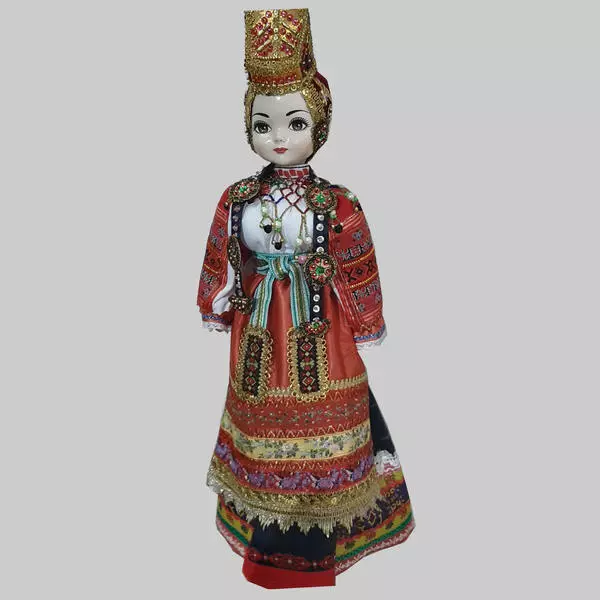
Nizhnedevitsky unmarried girls wore costumes consisting of a sundress, poddyovka - a petticoat, worn under a sundress, - and a white shirt. A “girdle” belt emphasized a thin waist, a coronet covered a head in the middle of a forehead, ribbons decorated a chest. A zapana with sleeves complemented the outfit.
Girls wore a close sundress made of slanting wedges which belonged to the oldest type of women’s dress. Such a dress was made of material called ''volosen'' (literally ''hair'') - a dense black fabric (usually black wool). Girls used a bandage made of brocade or braid with gilding as a headdress. It had a cardboard or hard coarse canvas backing. They called this bandage a ''coronet'', and decorated it with beads or multi-coloured terry.
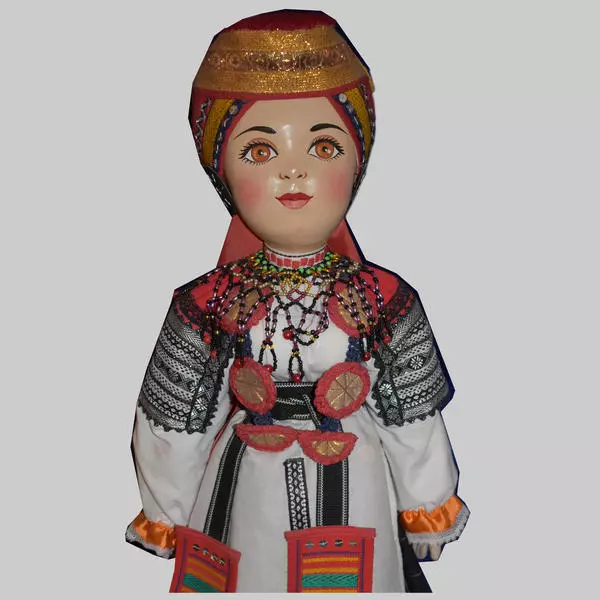
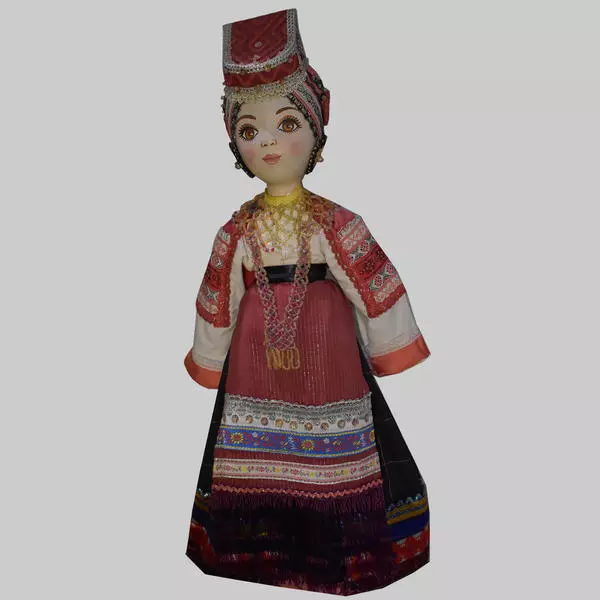
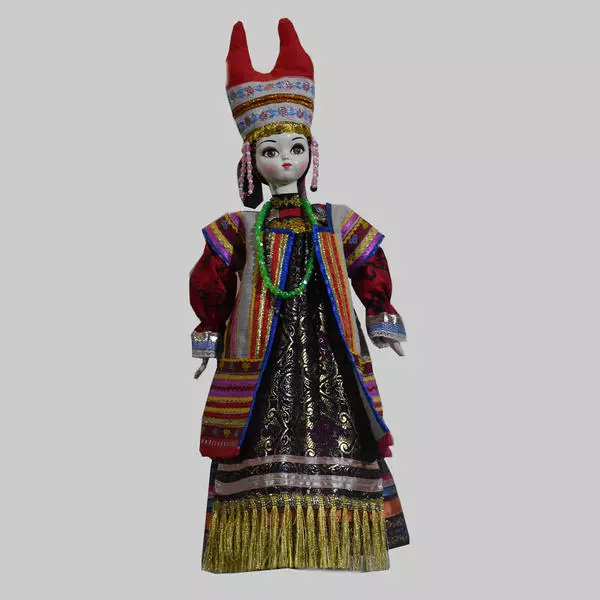
This type of costume is called ''Southern Great Russian'', with a ponyova for married women and a sundress for unmarried girls. However, in some villages even mothers of a family would have a sundress in their wardrobes. Ponyova, or paneva, is the oldest Slavic skirt sewn from three longitudinal woolen homespun cloths 35 centimeters wide; this was exactly the loom’s width. Ponyova could be close or swinging / open. The swinging ones had a second name - “raznopolka” - three pieces of fabric sewn together in a rectangular cloth.
The name of the women’s clothing item ''paneva'' first appeared on the pages of Russian chronicles. And on the 12th century casement silver bracelet found by archaeologists in Old Ryazan, a woman in a paneva over a shirt is depicted. They wore panevas with a placket either in the front or on the side. The skirt was fastened at the waist with a ''gashnik'' - a twisted woolen cord.