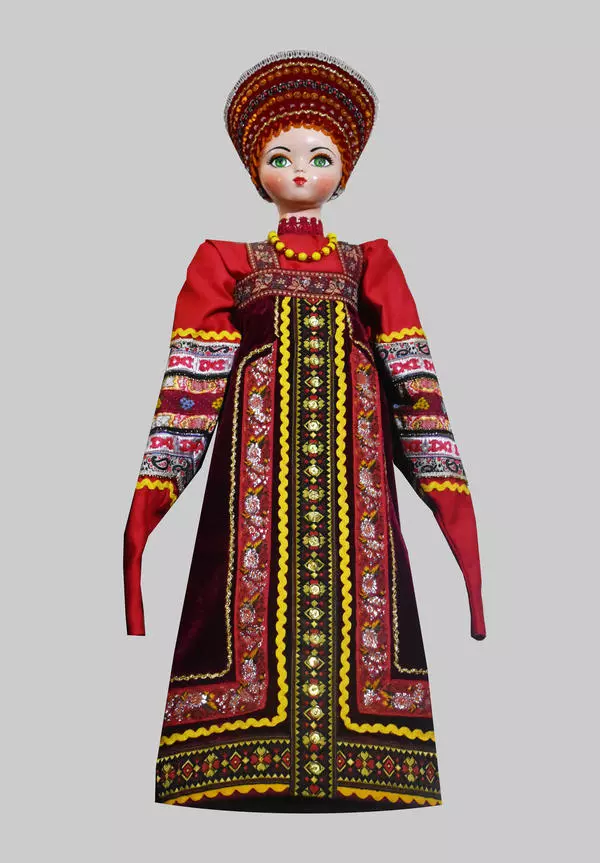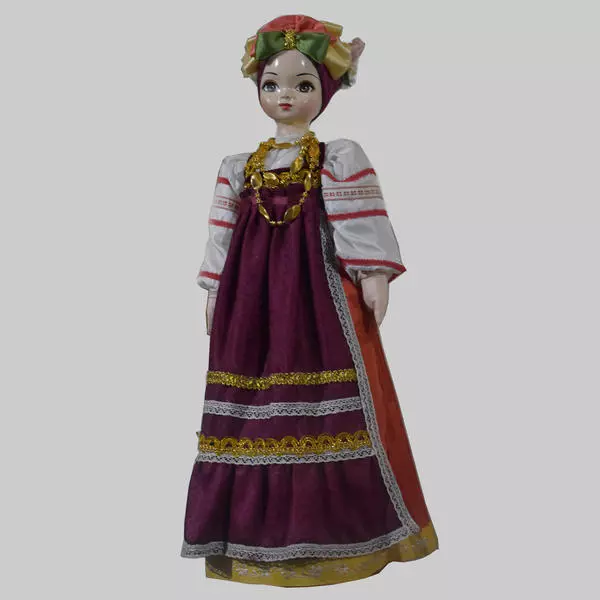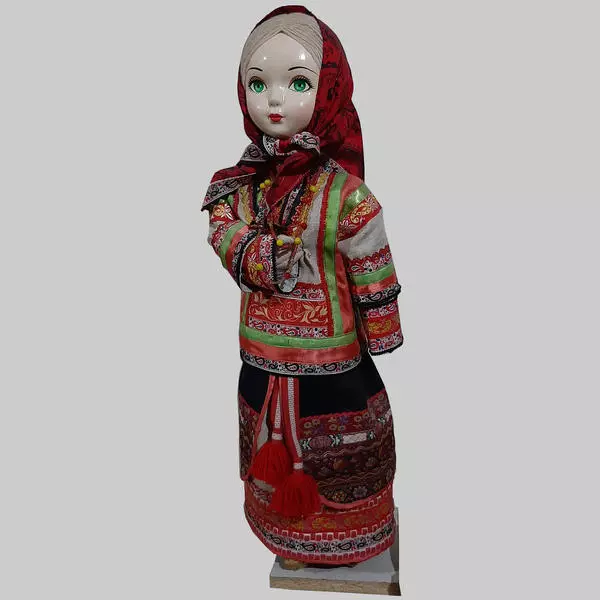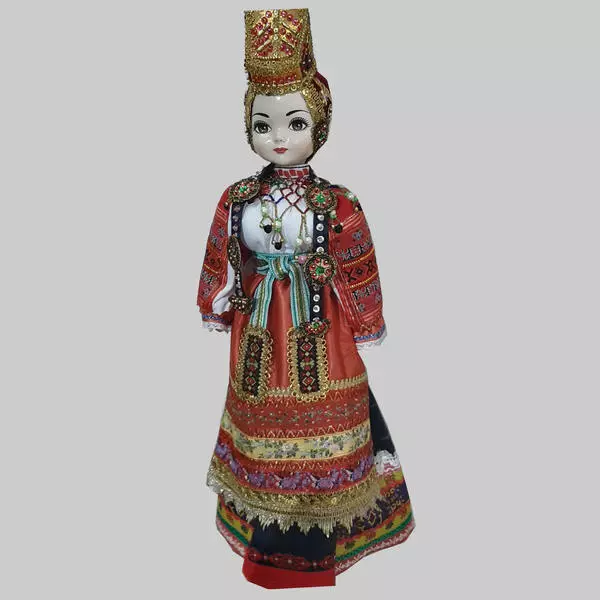


The folk costume is an important component of Russian history. Each geographic area had its own individual characteristics, unique elements, vibrant motifs. Wedding dresses also varied in different governorates in colour palette, materials in use, decorations.
The traditional clothes artistic design retains ethnic features and evidence of interaction between different people. In the late 19th — early 20th centuries, within the Voronezh governorate territory, several types of traditional costumes appeared, each of them in its own way aesthetically expressive.
Depending on origin and customs, the materials' texture was different. The compositions of sewn and removable decoration are striking in variety. The colour scheme, technological and artistic techniques also differ. Decorative accessories at the same time preserved ancient traditions and incorporated new trends reflecting changes in peasant life.
The national costume formation in the Voronezh region was happening in the following way. Firstly, there were a lot of visiting people — peasants from the Tambov, Orel, Moscow governorates — they brought their own costume traditions. Secondly, in the 17th century a significant amount of Ukrainians moved to the Voronezh territory, and thus they also influenced the clothing style.
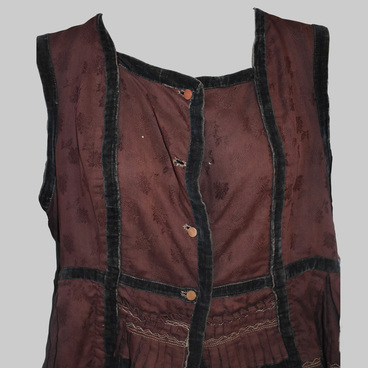
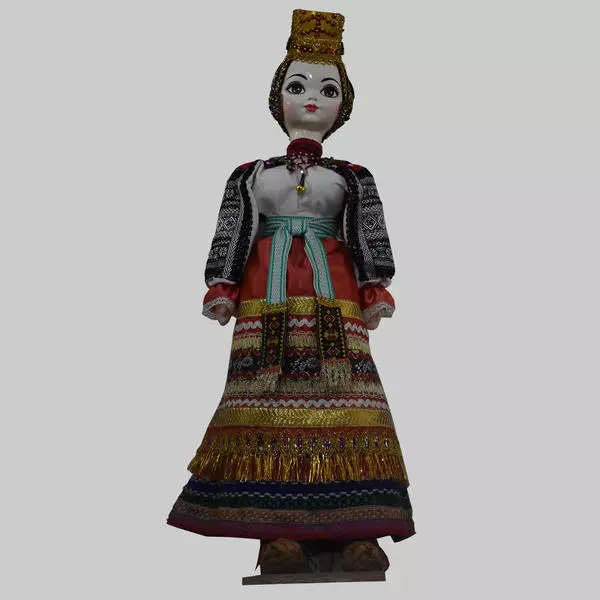
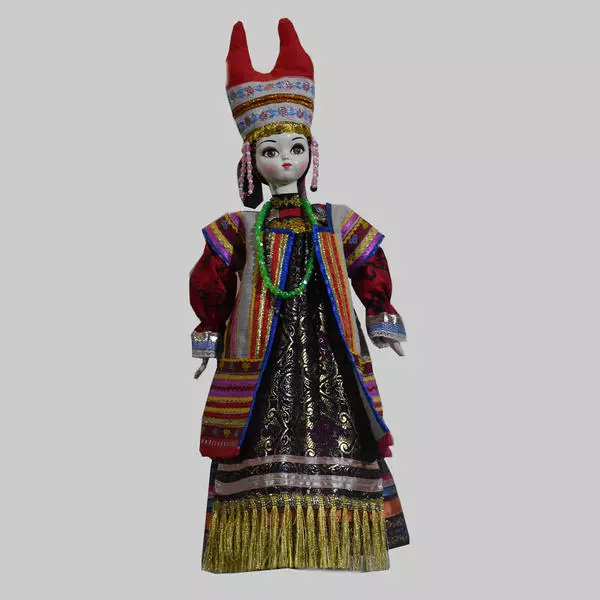
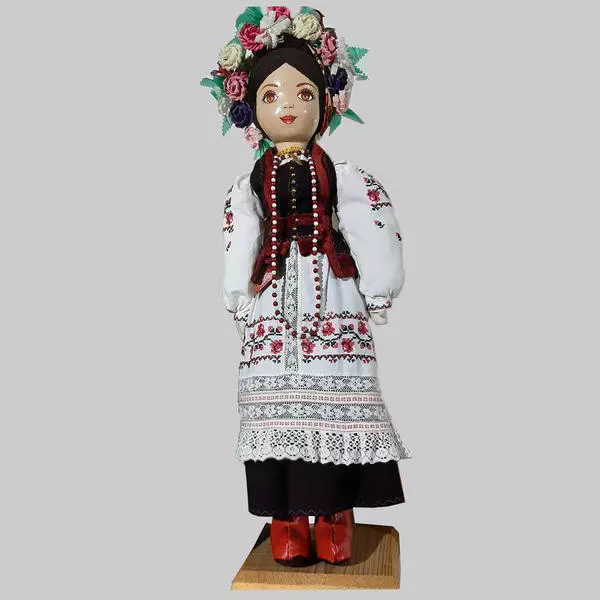
On festive days a ''kundya'' (a black vest) was worn over the shirt. It was also generously embroidered, and its sleeves were decorated with splendid rushing and red edge piping. Another key element of a costume was ponyova, a piece of clothes made of woven woolen fabric, usually black, reminiscent of a modern skirt. The bottom of ponyova was decorated with braids — i.e. with ribbons and multicoloured lacing.
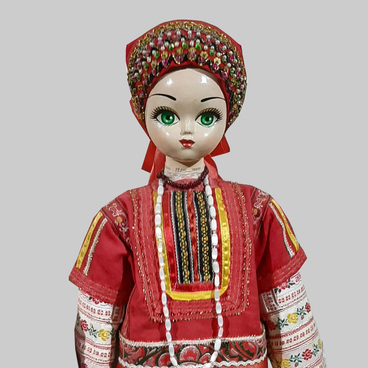
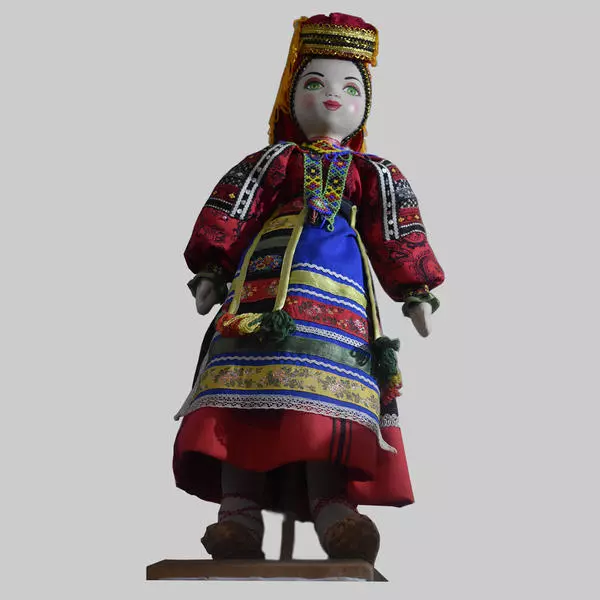
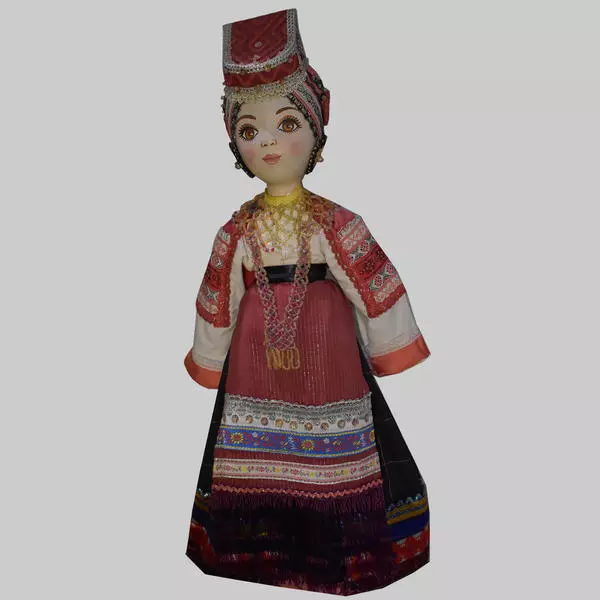
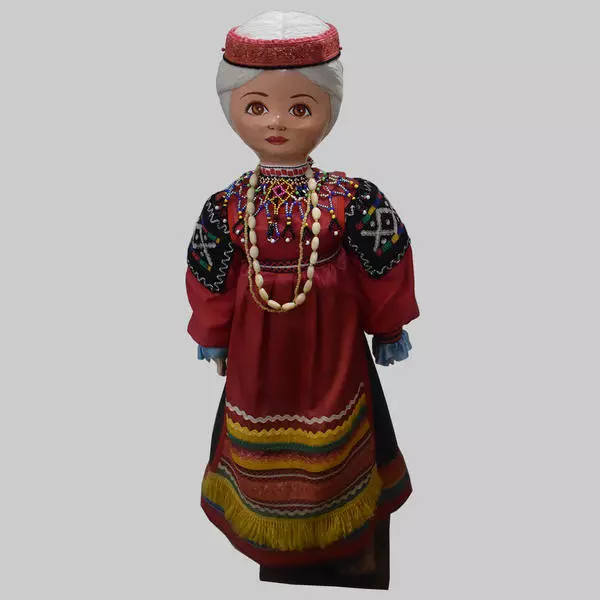
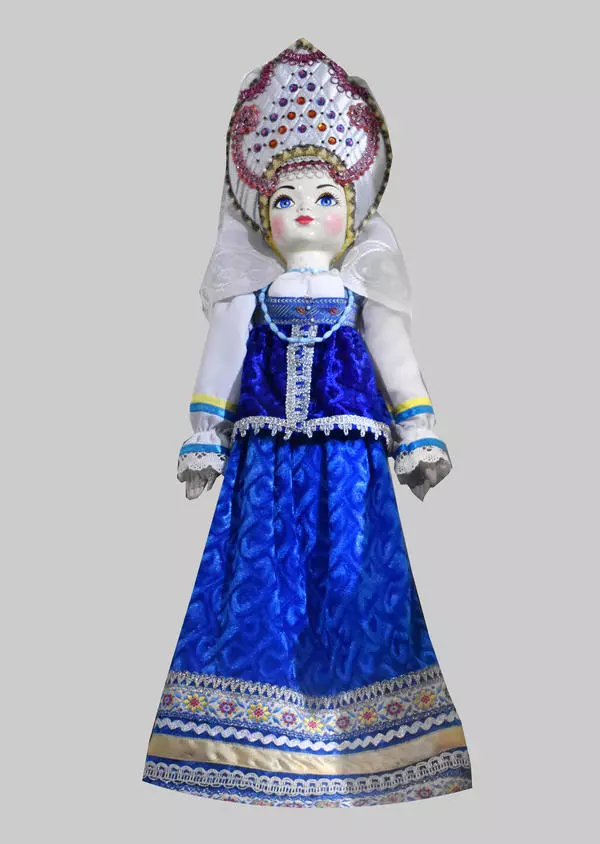
Traditionally, all girls wore headscarves before marriage, while brides wore beautiful hats. In every district they differed, but one of the most common was a ''shlychka'' — a red hat that tightly pressed hair. It was worn over a hair bun. Another popular traditional headdress was a kokoshnik embroidered with beads.
The traditional clothes artistic design retains ethnic features and evidence of interaction between different people. In the late 19th — early 20th centuries, within the Voronezh governorate territory, several types of traditional costumes appeared, each of them in its own way aesthetically expressive.
Depending on origin and customs, the materials' texture was different. The compositions of sewn and removable decoration are striking in variety. The colour scheme, technological and artistic techniques also differ. Decorative accessories at the same time preserved ancient traditions and incorporated new trends reflecting changes in peasant life.
The national costume formation in the Voronezh region was happening in the following way. Firstly, there were a lot of visiting people — peasants from the Tambov, Orel, Moscow governorates — they brought their own costume traditions. Secondly, in the 17th century a significant amount of Ukrainians moved to the Voronezh territory, and thus they also influenced the clothing style.
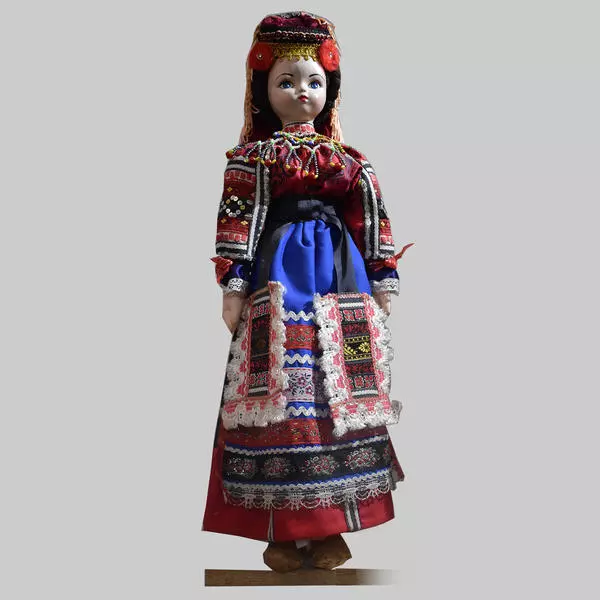
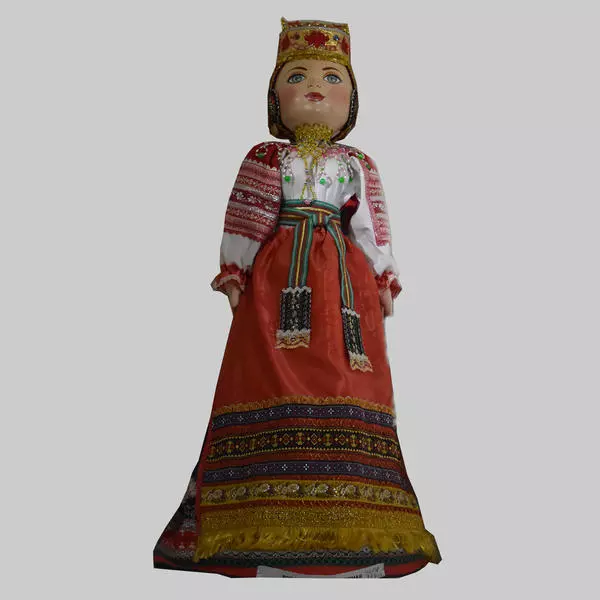
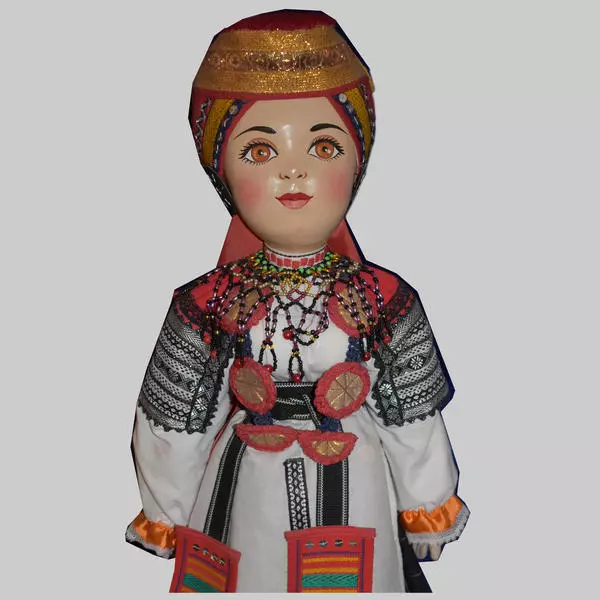
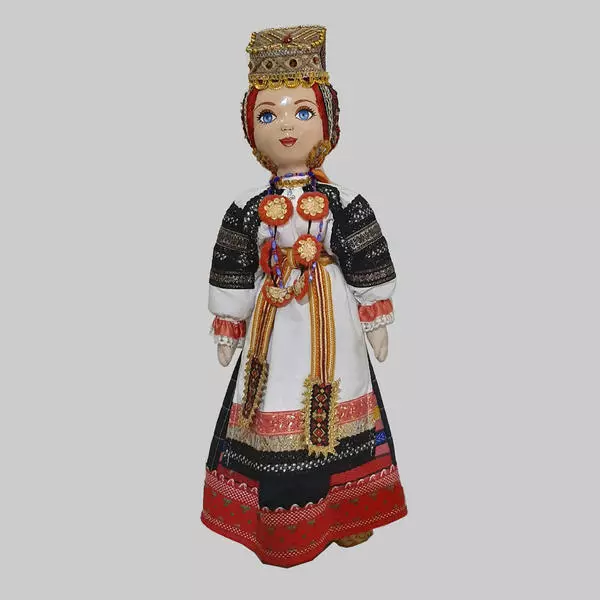
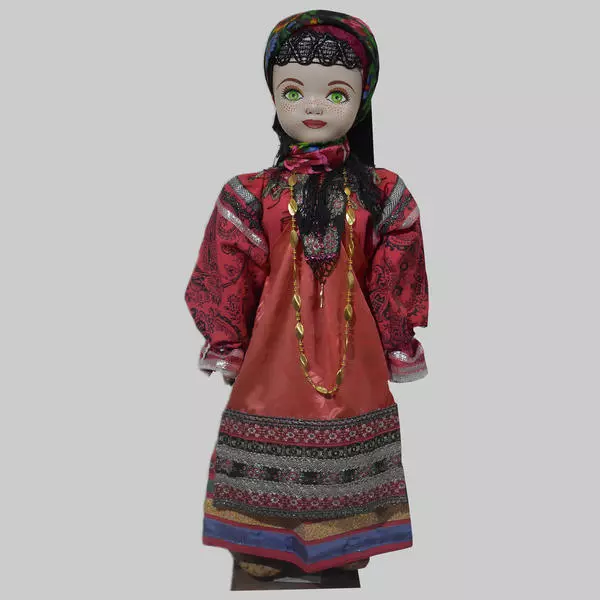
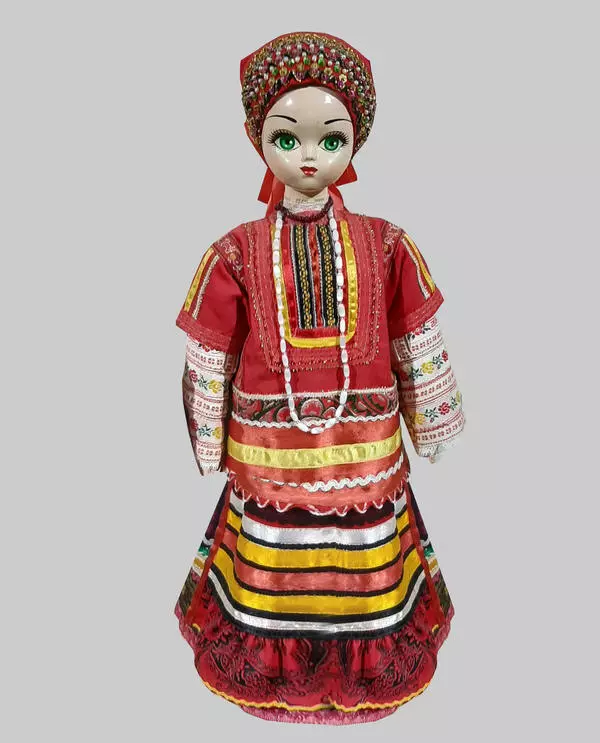
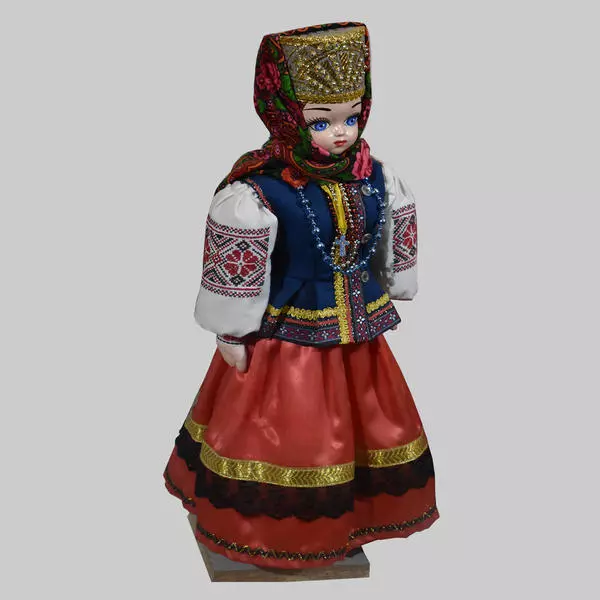
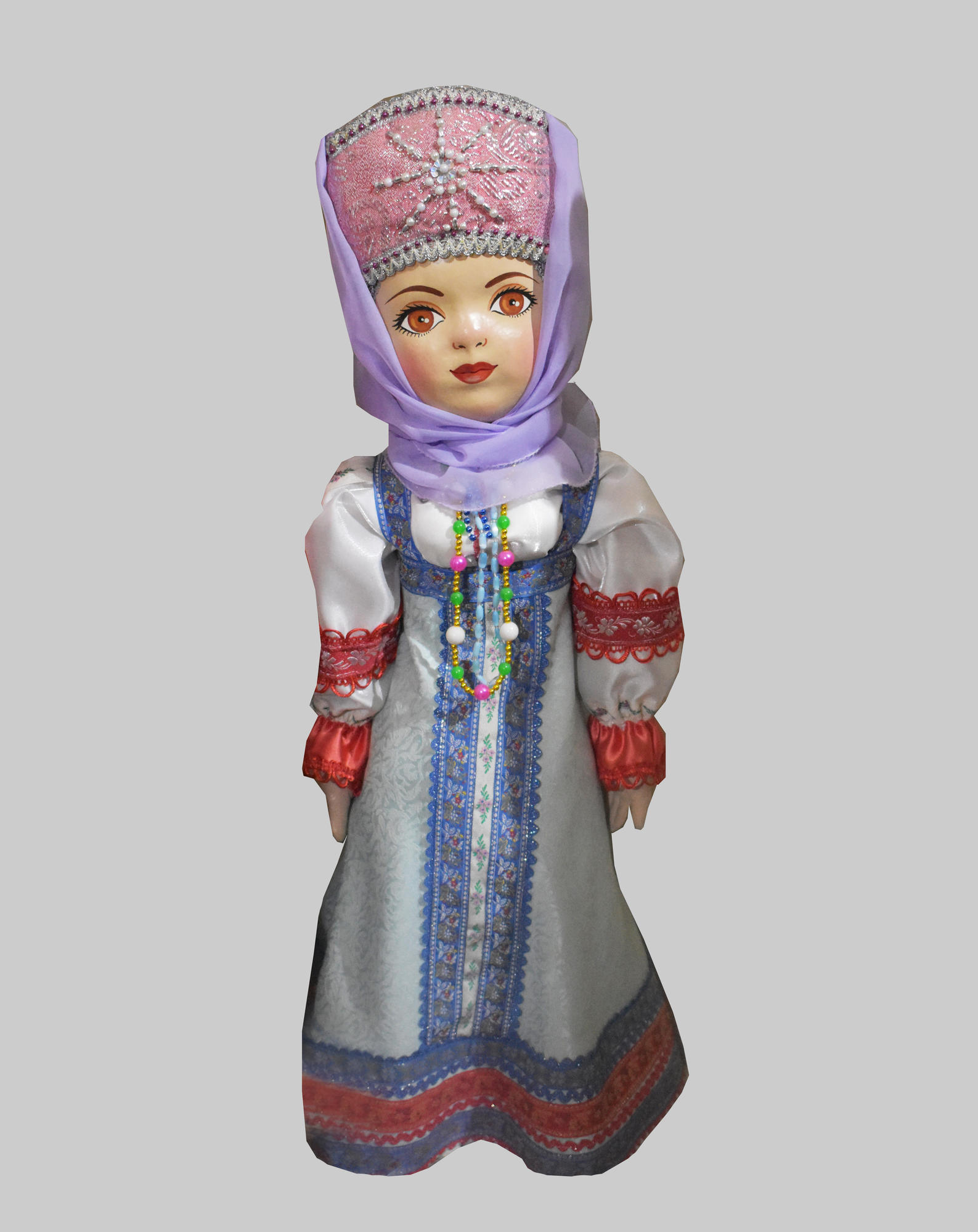
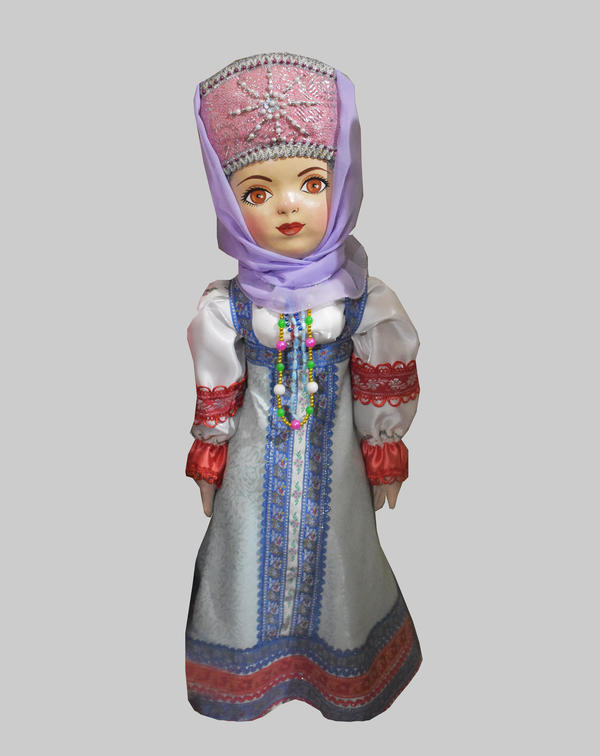
The Voronezh region women’s wedding wear was a white or red long shirt embroidered with woolen ornaments. Festive dresses were carefully whitened with ashes, and for everyday wear, they preferred to decorate clothes with embroidered patterns. A wedding shirt was often complemented with braids, fringes. A shirt with red flaps framed by beautiful ornaments was one of the most popular among local brides variants.
On festive days a ''kundya'' (a black vest) was worn over the shirt. It was also generously embroidered, and its sleeves were decorated with splendid rushing and red edge piping. Another key element of a costume was ponyova, a piece of clothes made of woven woolen fabric, usually black, reminiscent of a modern skirt. The bottom of ponyova was decorated with braids — i.e. with ribbons and multicoloured lacing.
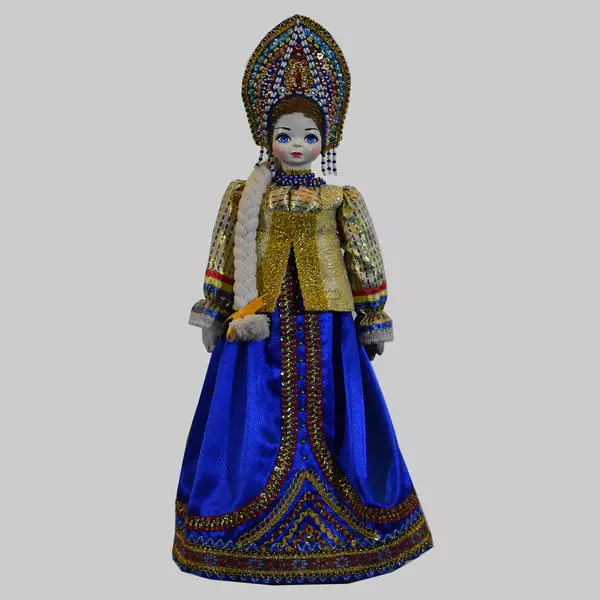
Traditionally, all girls wore headscarves before marriage, while brides wore beautiful hats. In every district they differed, but one of the most common was a ''shlychka'' — a red hat that tightly pressed hair. It was worn over a hair bun. Another popular traditional headdress was a kokoshnik embroidered with beads.
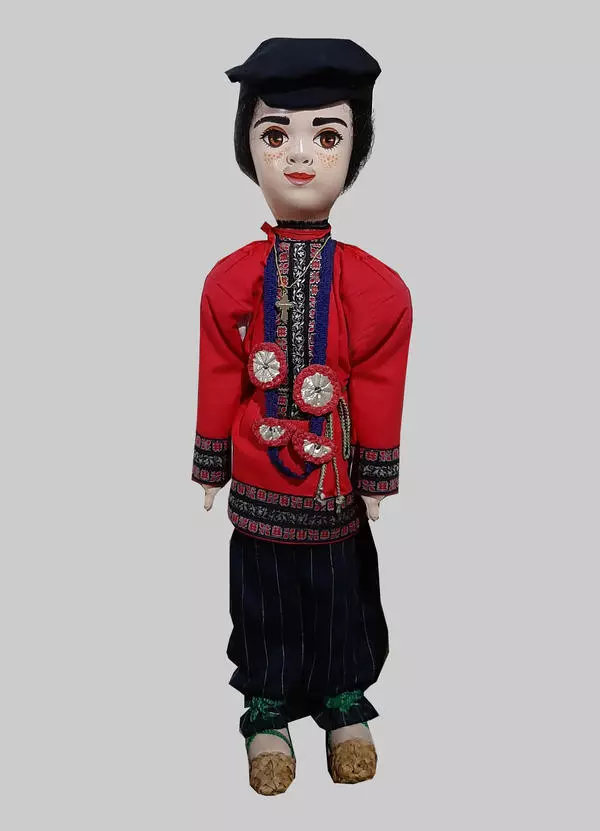
Feet were shod in ''chuniki'' (wicker boots). The sole was made of wood or genuine leather so that it was wiped more slowly. Women wore knee-high socks, which they knitted themselves with colorful threads. A striking element of a women’s wedding attire was a breast ornament, usually made of voluminous beads. Often, girls weaved multi-tiered small beads necklaces and fixed them on a thin strip of fabric tied at the back of the neck. It was believed that such amulets would protect brides from evil forces and the evil eye.
On festive days a ''kundya'' (a black vest) was worn over the shirt. It was also generously embroidered, and its sleeves were decorated with splendid rushing and red edge piping. Another key element of a costume was ponyova, a piece of clothes made of woven woolen fabric, usually black, reminiscent of a modern skirt. The bottom of ponyova was decorated with braids — i.e. with ribbons and multicoloured lacing.
Traditionally, all girls wore headscarves before marriage, while brides wore beautiful hats. In every district they differed, but one of the most common was a ''shlychka'' — a red hat that tightly pressed hair. It was worn over a hair bun. Another popular traditional headdress was a kokoshnik embroidered with beads.