The Tambov province inhabitants used homespun linen and natural wool to fabricate men’s and women’s clothes. A little later they started to apply chintz. Women manually made cloths for tailoring. Flax, hemp, and wool were the hardest to handle. Girls and women were engaged in tissue manufacturing all autumn, winter and the first days of spring. Girls were put in charge of unwinding threads, at the age of twelve they started spinning and at the age of fifteen they passed to whitewashing the linen. The most serious and honourable work – weaving – was perfomed by 18-45 years old women.
Work began at the end of the harvest season. Yarn was dyed in different colours. Black, blue, red and yellow colours dominated in local costumes. In the Tambov province, peasants dyed yarn either on their own or gave it to professional dyers. During Lent, a large loom would appear in almost every hut, and throughout the early spring, women made cloth for future outfits.
Different techniques were used, but the usual weave was the simplest. The canvas was made of linen and hemp fabric. Woolen and half-woolen fabrics were extremely popular. They were used for sewing a skirt-ponyova and warm clothes. Women sewed clothes manually, stitching elements together with hemp threads. Their styles depended on the available material width.
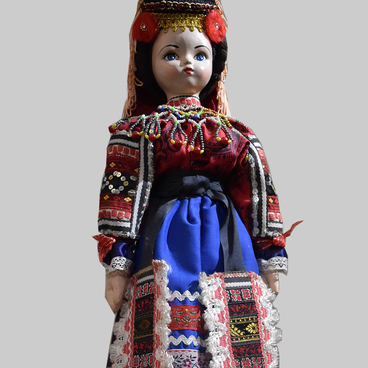
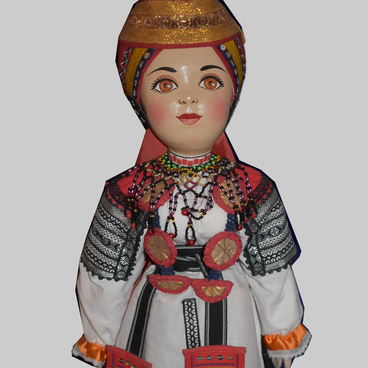
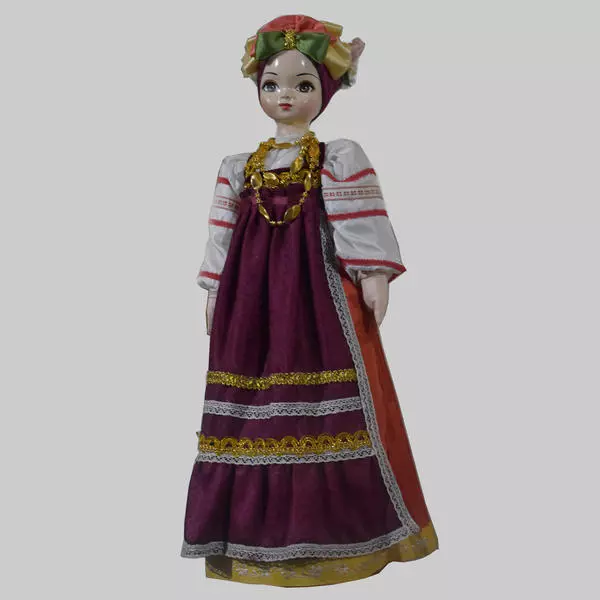
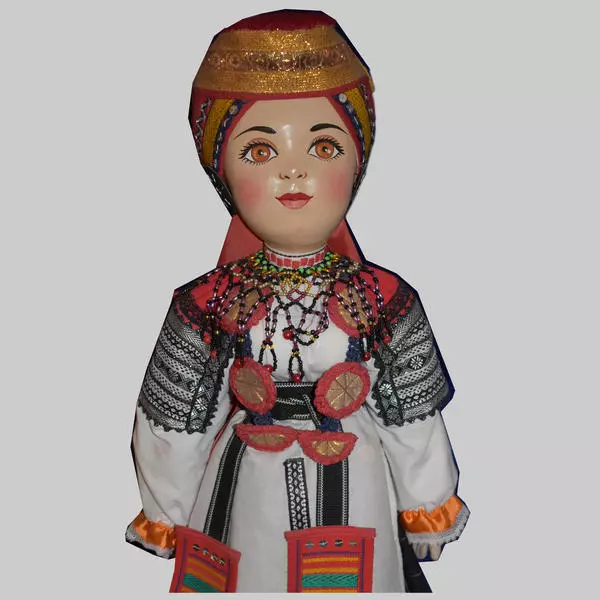
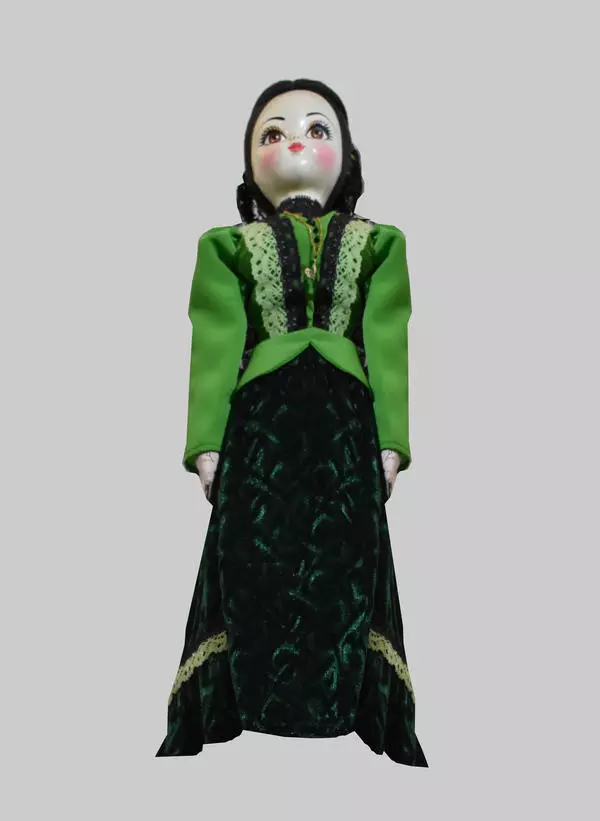
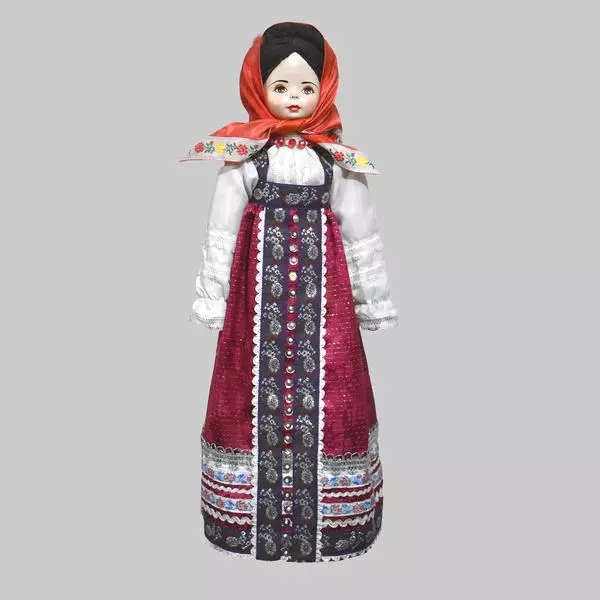
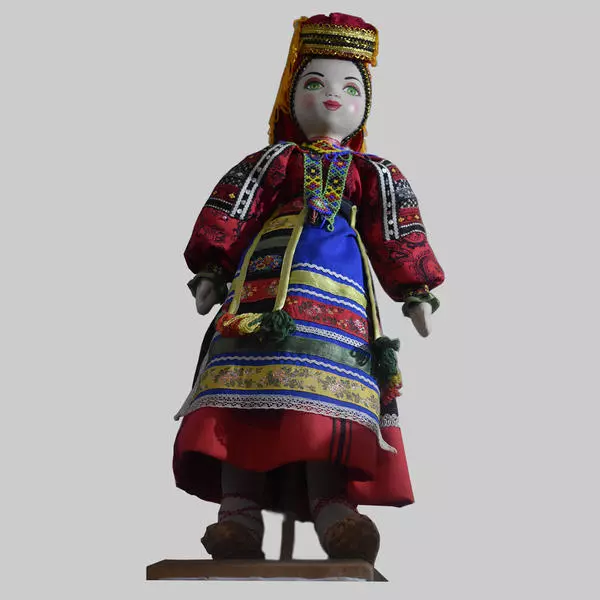
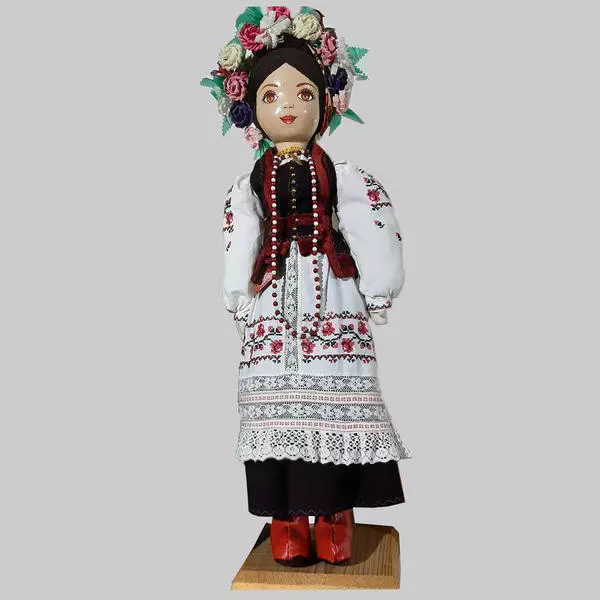
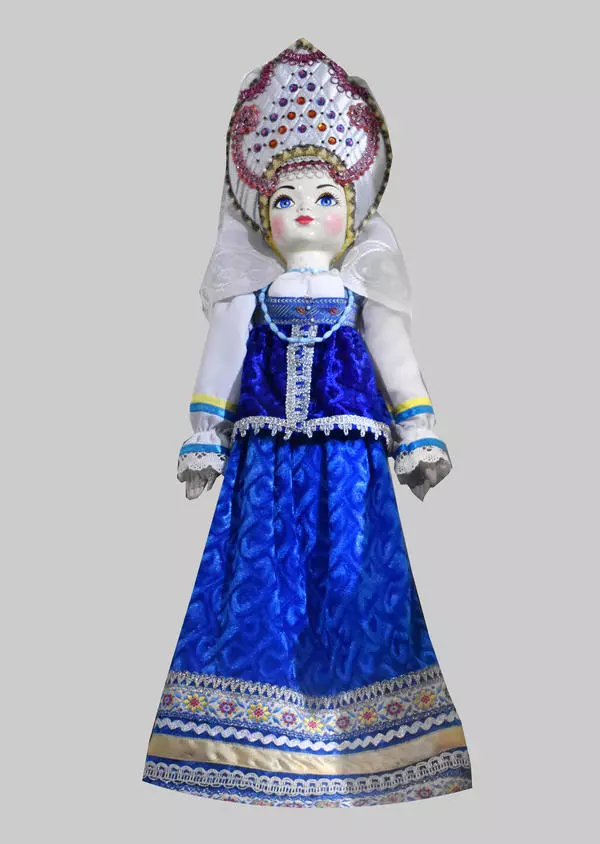
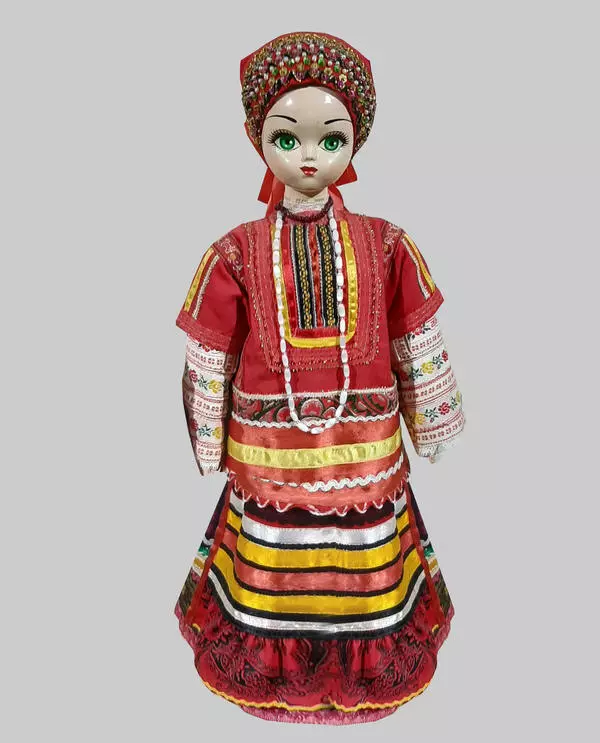
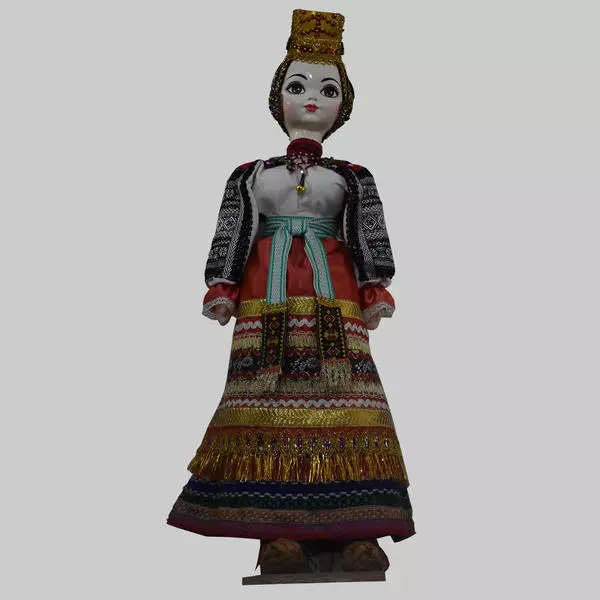
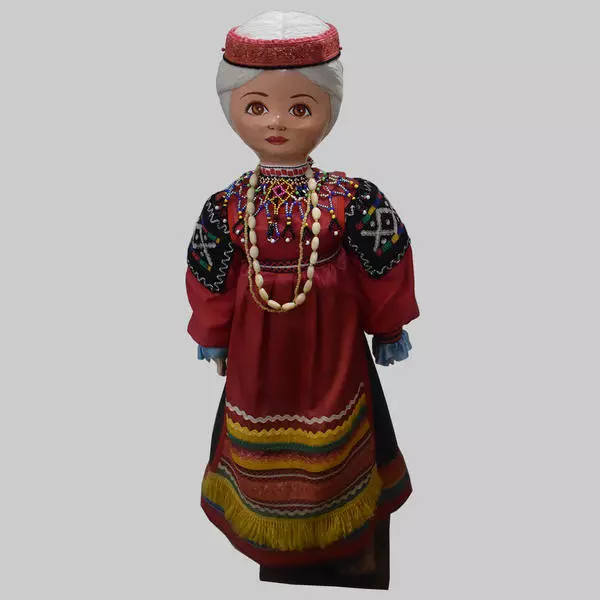
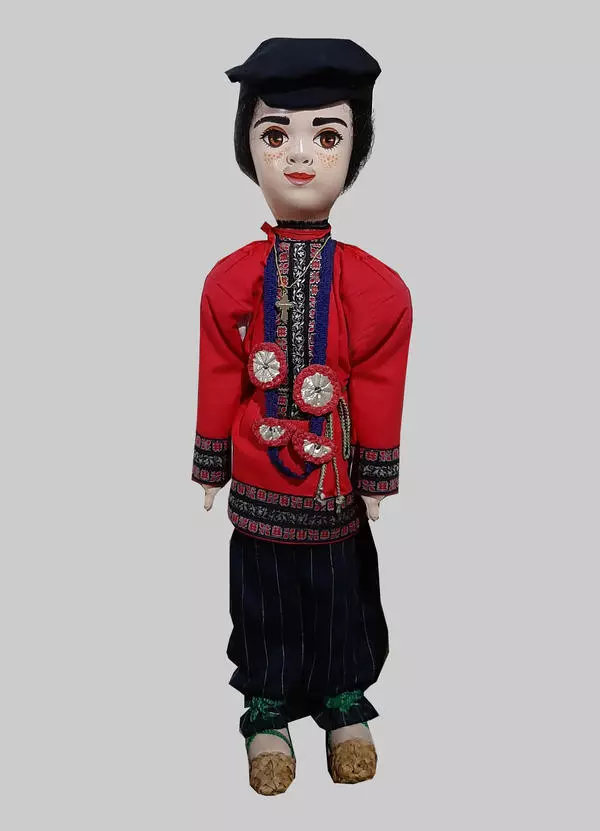
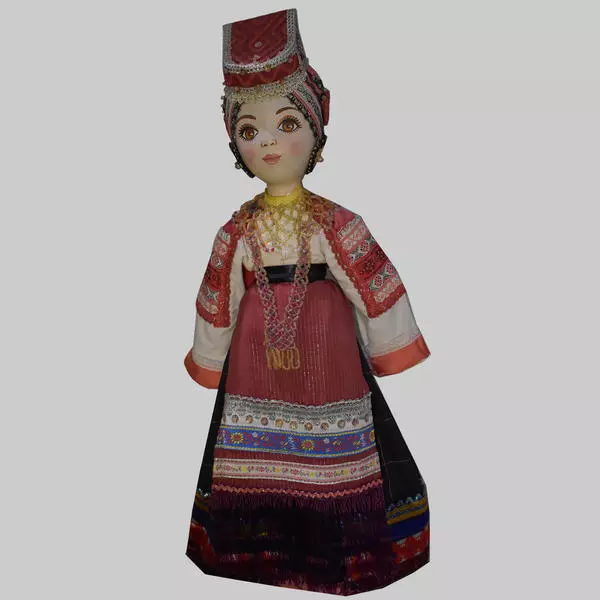
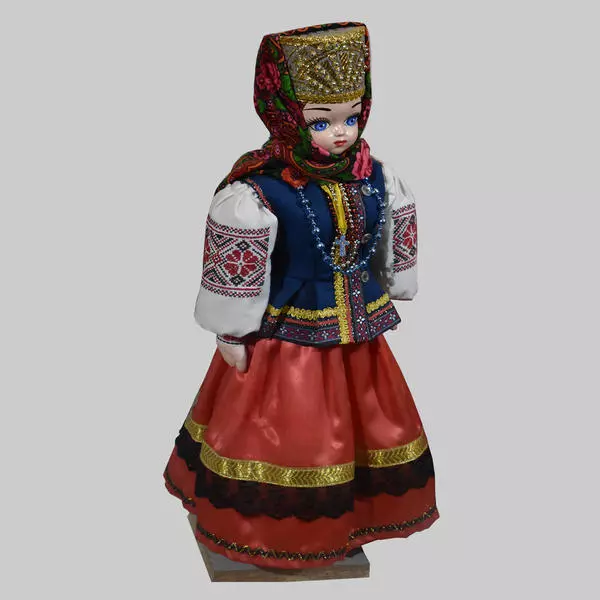
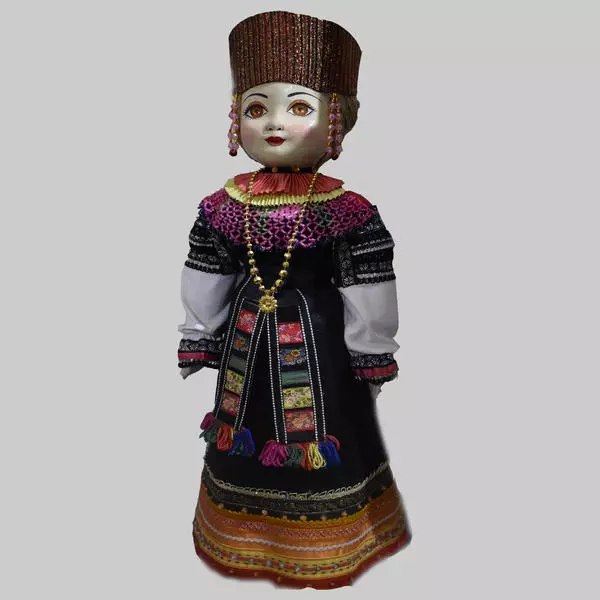
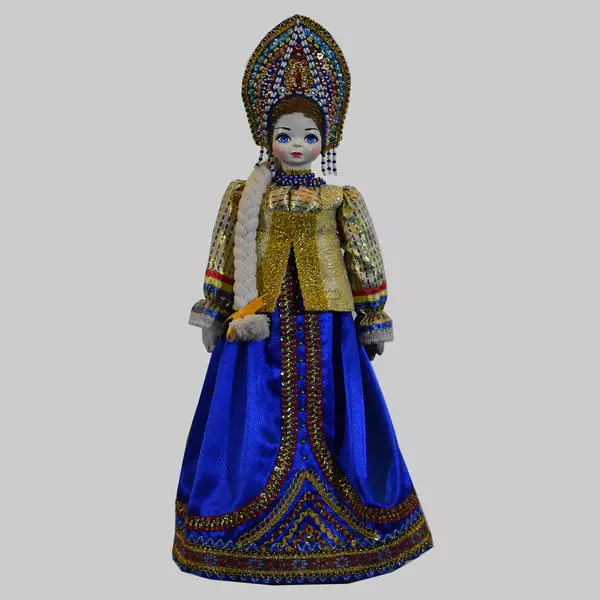
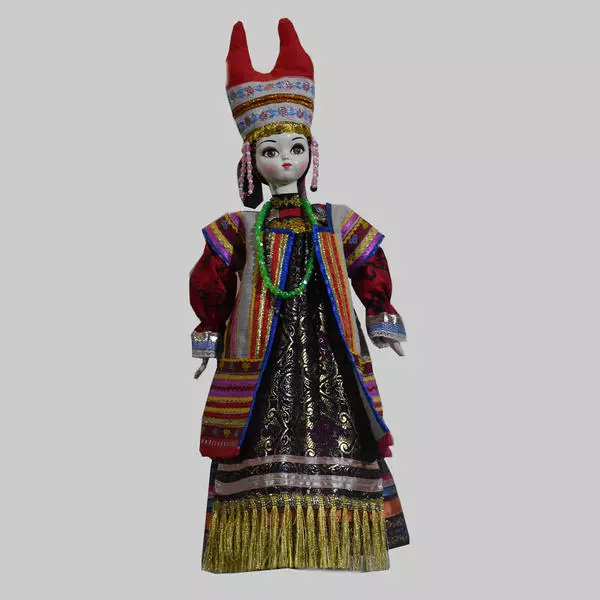
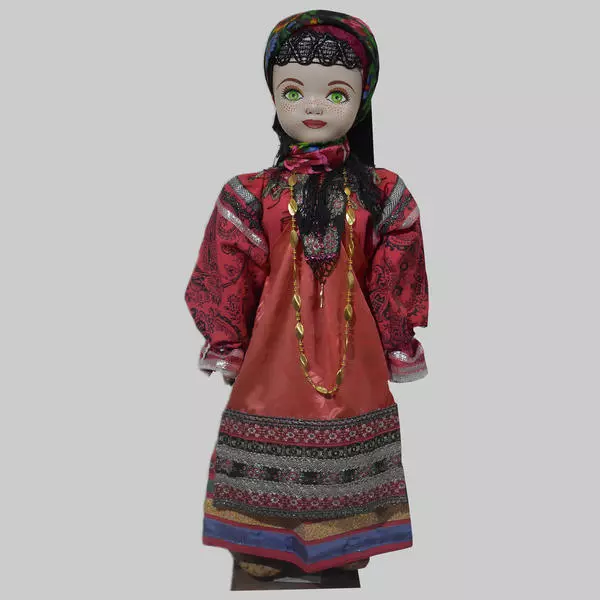
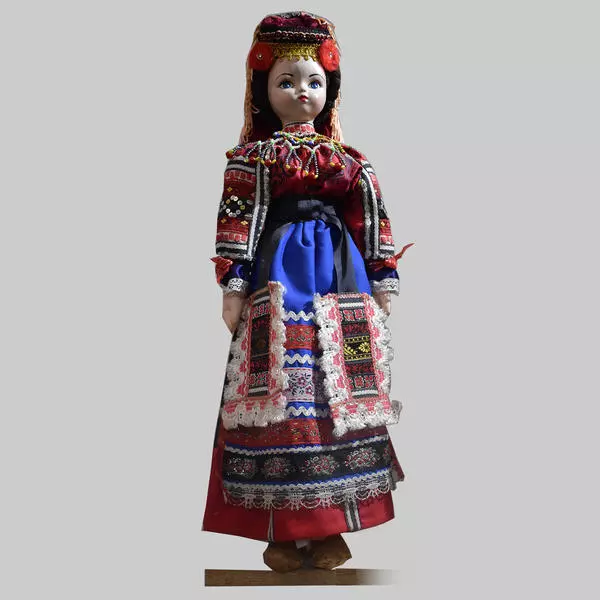
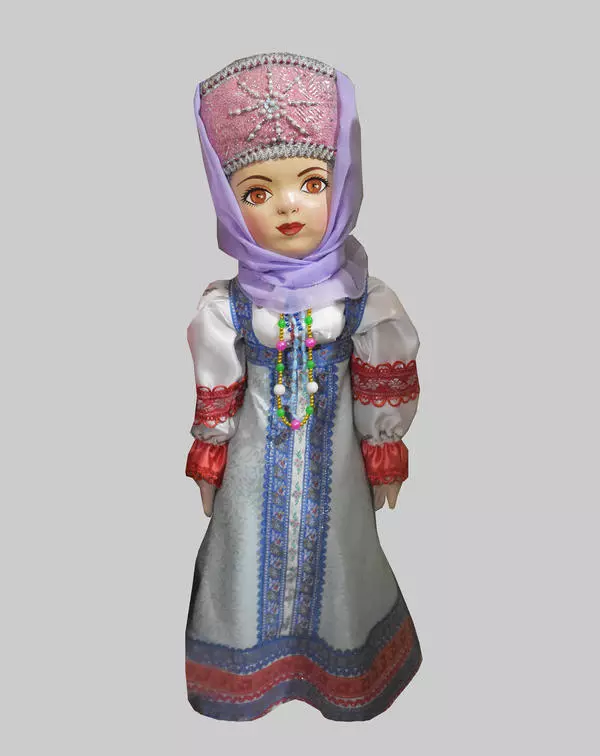
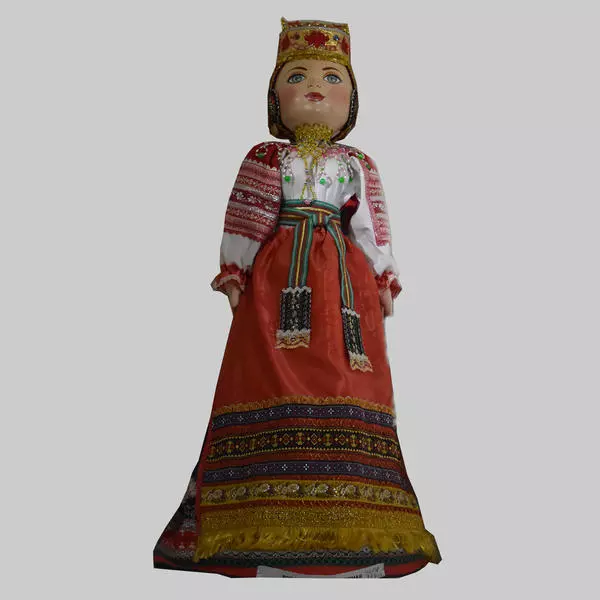
Women’s clothing was divided by purpose: festive, everyday, wedding and mourning. The Tambov costume consisted of a shirt made of a homespun cloth with ''kosye poliki'' (a trapezia-shape element connecting sleeves and a collar), generously decorated with embroidery, a ''zatkanka'' (strips of fabric sewn onto the sleeves), elegant braid and sequins elements. To decorate outfits, women often used cross-stitches, combining white and red shades. Also traditional clothes included a cheсkered ponyova decorated with coloured ribbons, a shirt and an apron, and there were a kichka or a soroka to cover the head.
The ponyova was made of several pieces of checkered dark colour linen. Women wore it together with a shushpan – a short breastplate, or ''curtains'', or ''veil'' – an apron worn as a pullover. Beautiful inserts, lacing, applications were sewn onto its central part. The neckline, collar, shoulders, sleeves, hem were decorated with embroidery. The obligatory part of a clothing was a belt woven from coloured wool.
Every clothing item had a special meaning. It was possible to determine by a female headdress the marital and property status of its owner. Young girls used silk ribbons imitating loose hair. Peasant men’s and women’s shoes almost did not differ: usually these were bast shoes. In a season, a person wore out at least twenty pairs.
Work began at the end of the harvest season. Yarn was dyed in different colours. Black, blue, red and yellow colours dominated in local costumes. In the Tambov province, peasants dyed yarn either on their own or gave it to professional dyers. During Lent, a large loom would appear in almost every hut, and throughout the early spring, women made cloth for future outfits.
Different techniques were used, but the usual weave was the simplest. The canvas was made of linen and hemp fabric. Woolen and half-woolen fabrics were extremely popular. They were used for sewing a skirt-ponyova and warm clothes. Women sewed clothes manually, stitching elements together with hemp threads. Their styles depended on the available material width.
Women’s clothing was divided by purpose: festive, everyday, wedding and mourning. The Tambov costume consisted of a shirt made of a homespun cloth with ''kosye poliki'' (a trapezia-shape element connecting sleeves and a collar), generously decorated with embroidery, a ''zatkanka'' (strips of fabric sewn onto the sleeves), elegant braid and sequins elements. To decorate outfits, women often used cross-stitches, combining white and red shades. Also traditional clothes included a cheсkered ponyova decorated with coloured ribbons, a shirt and an apron, and there were a kichka or a soroka to cover the head.
The ponyova was made of several pieces of checkered dark colour linen. Women wore it together with a shushpan – a short breastplate, or ''curtains'', or ''veil'' – an apron worn as a pullover. Beautiful inserts, lacing, applications were sewn onto its central part. The neckline, collar, shoulders, sleeves, hem were decorated with embroidery. The obligatory part of a clothing was a belt woven from coloured wool.
Every clothing item had a special meaning. It was possible to determine by a female headdress the marital and property status of its owner. Young girls used silk ribbons imitating loose hair. Peasant men’s and women’s shoes almost did not differ: usually these were bast shoes. In a season, a person wore out at least twenty pairs.