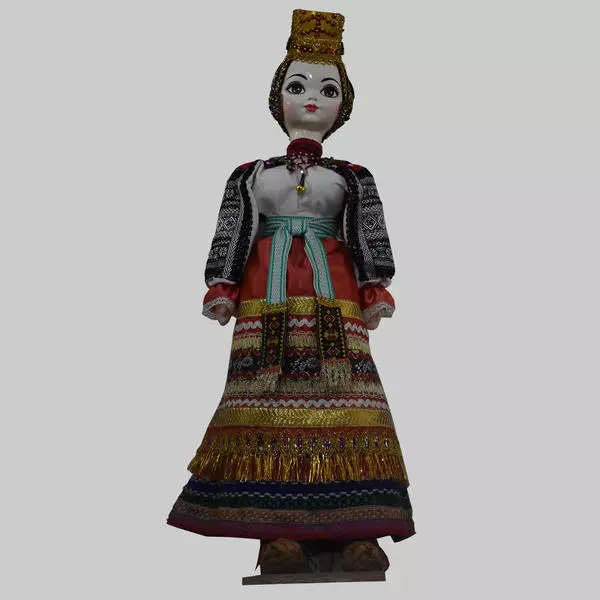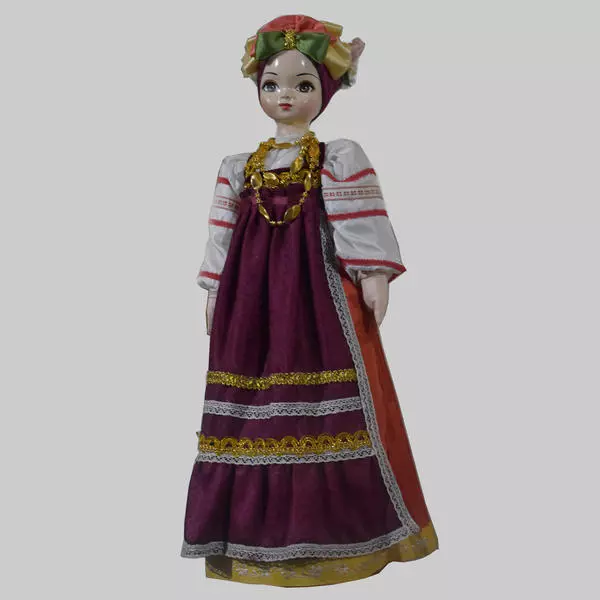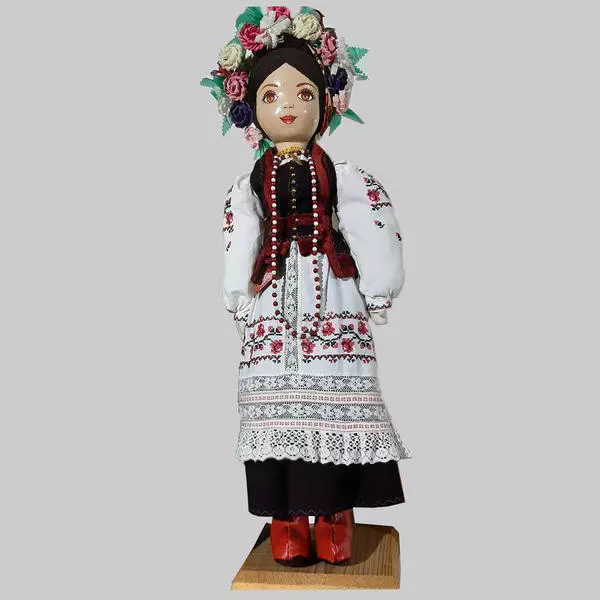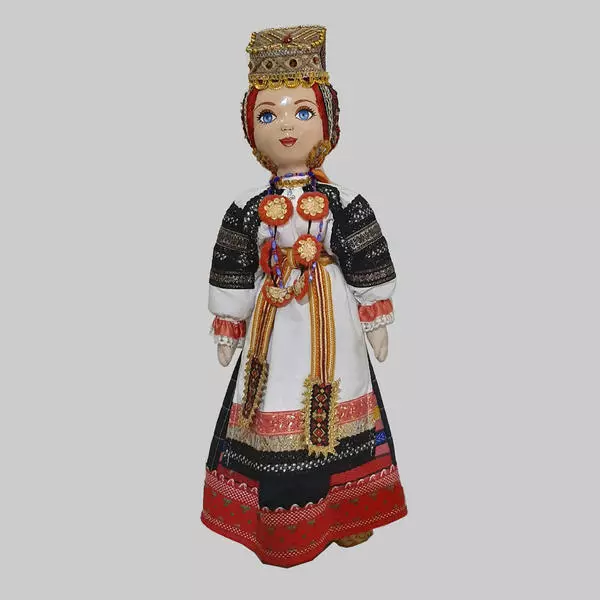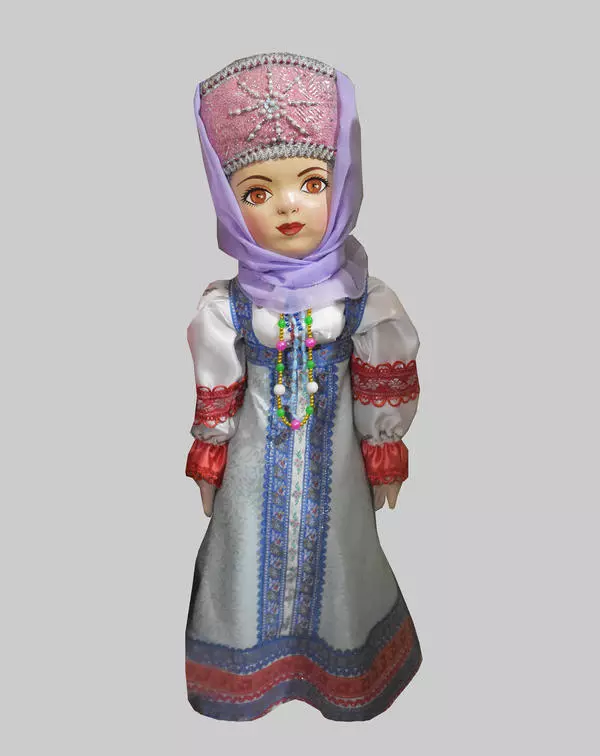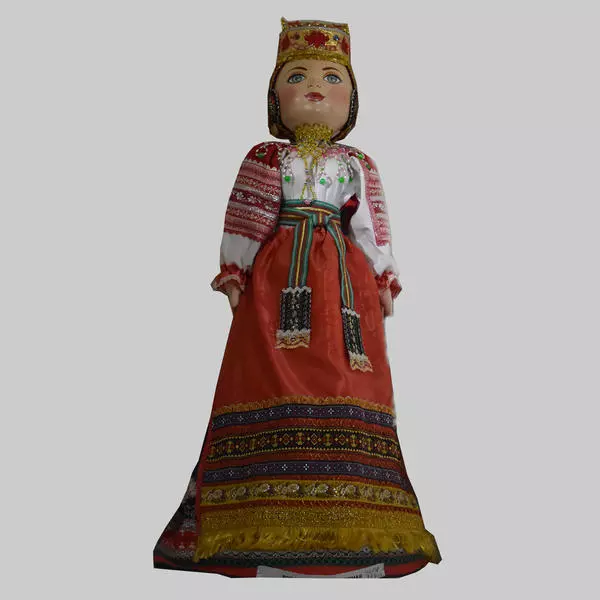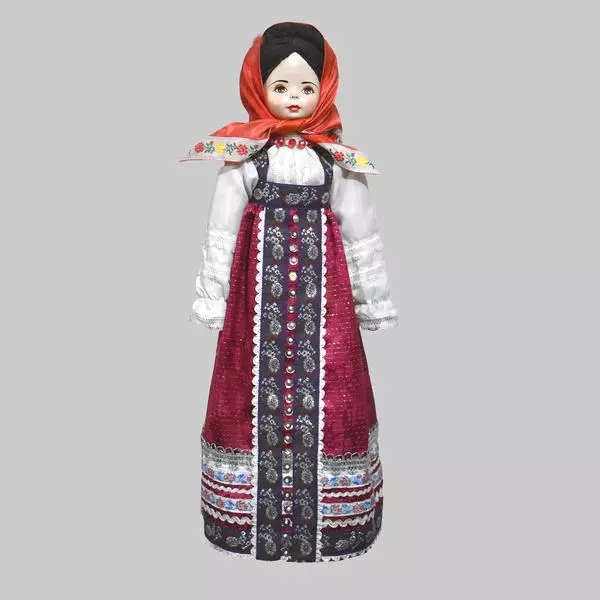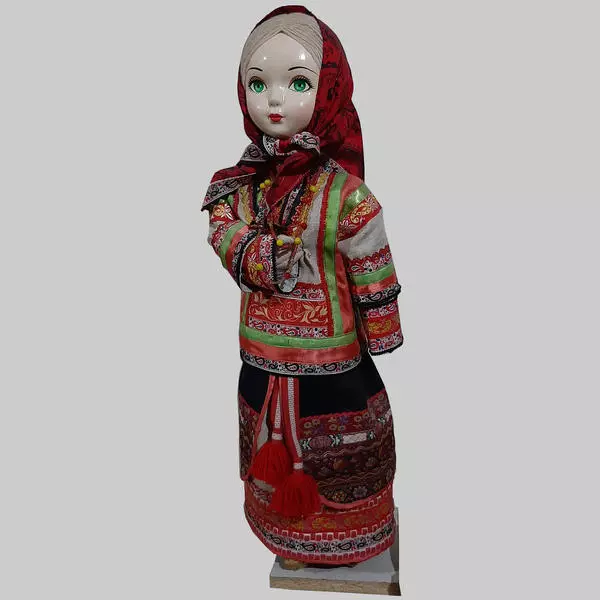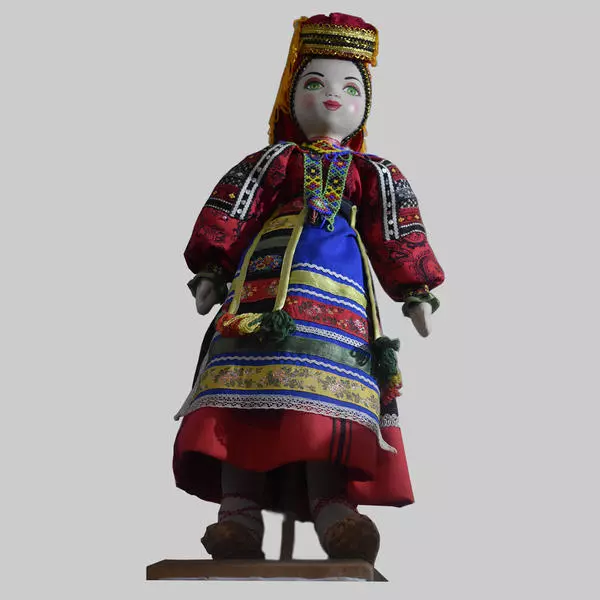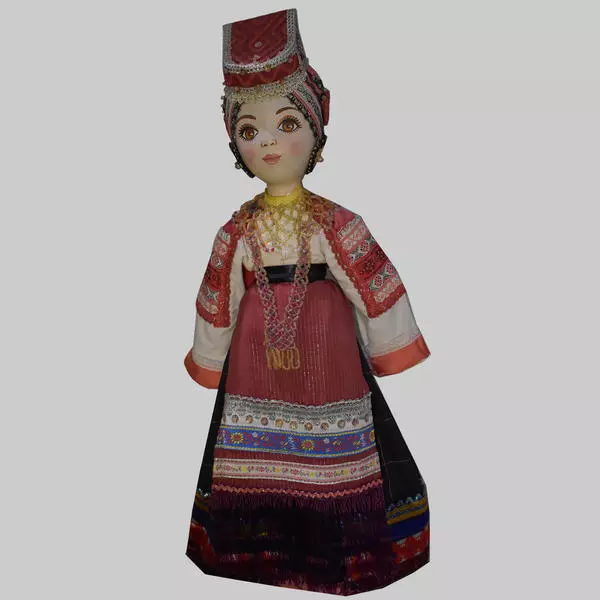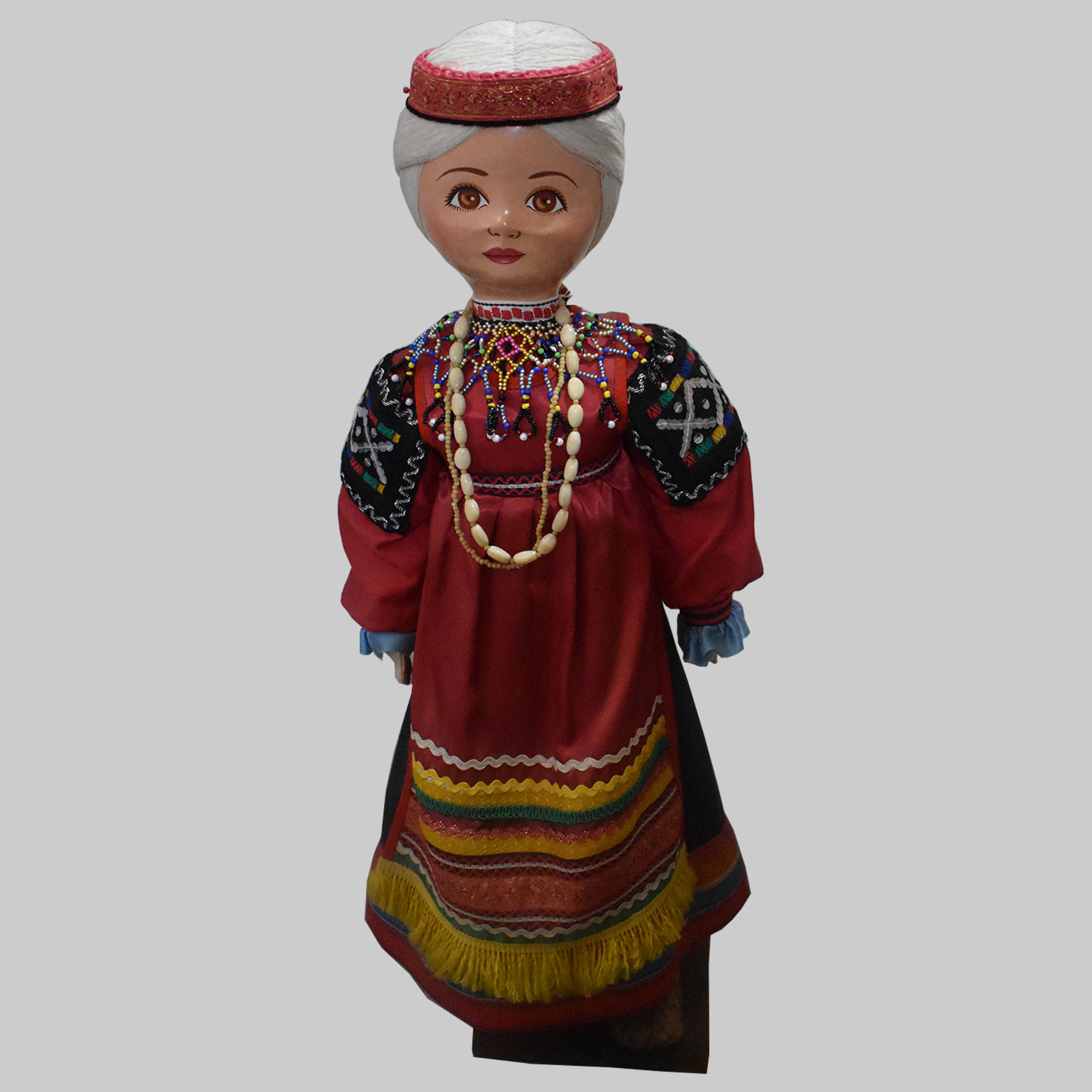


The village of Puzevo, which is located in the Buturlinovsky district of the Voronezh region, was founded around 1755. The settlement’s name comes from the name of the nearby tract Puz. The tract itself owes its name to the craftsmen who plastered ship bottoms (“belly”) in it.
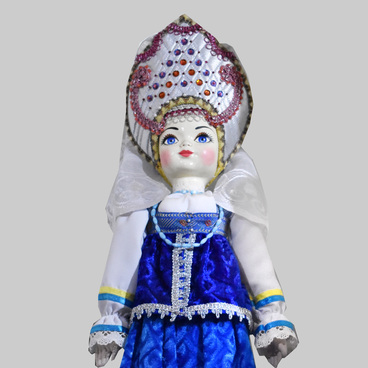
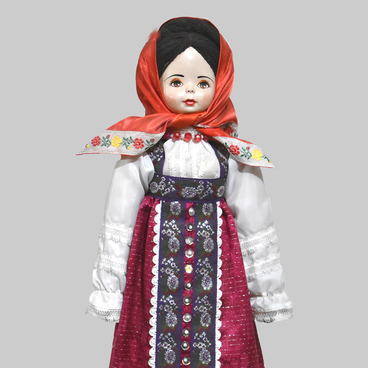
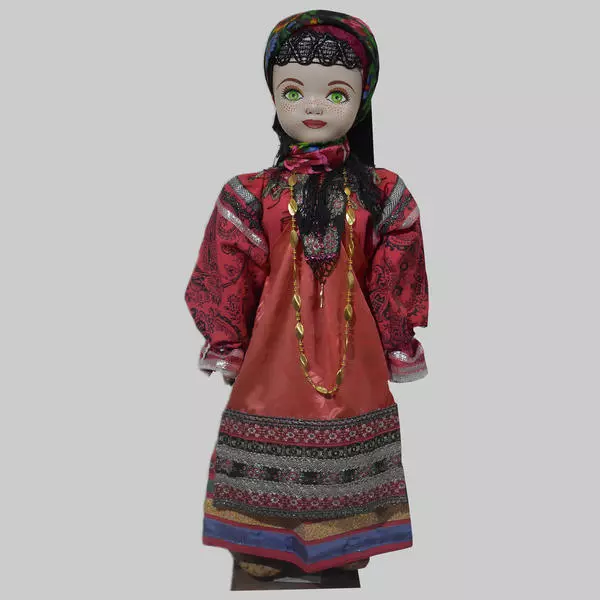
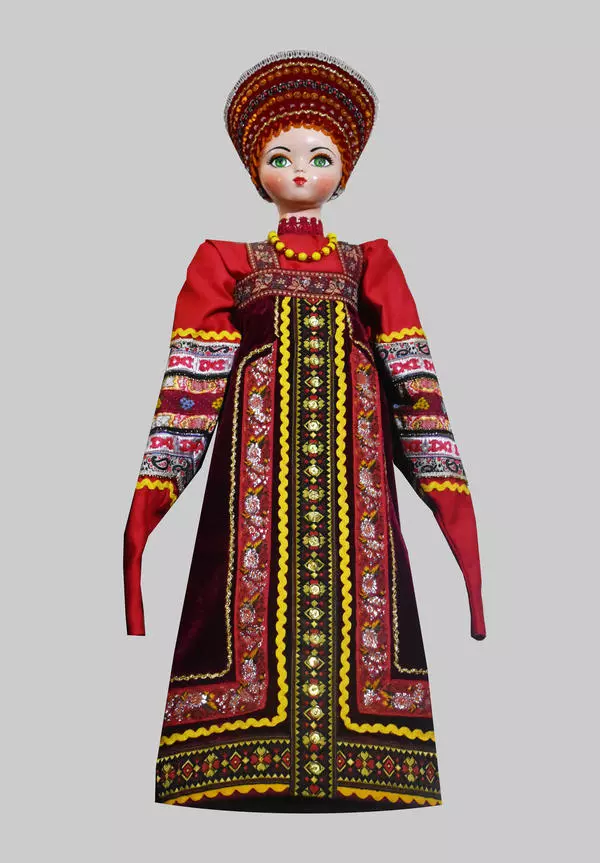
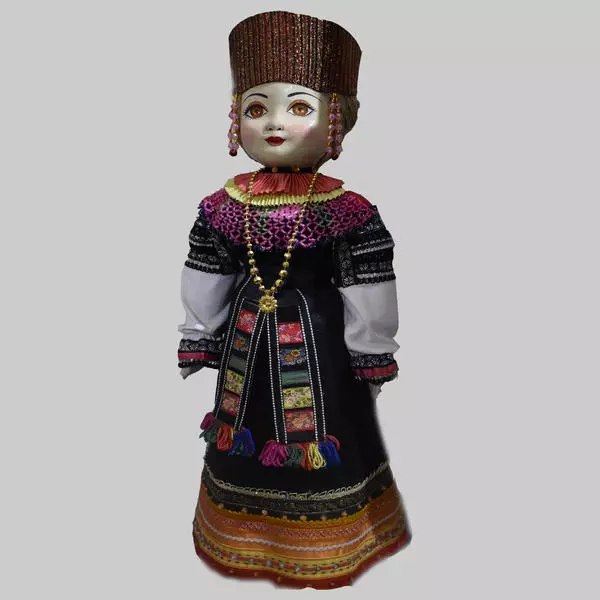
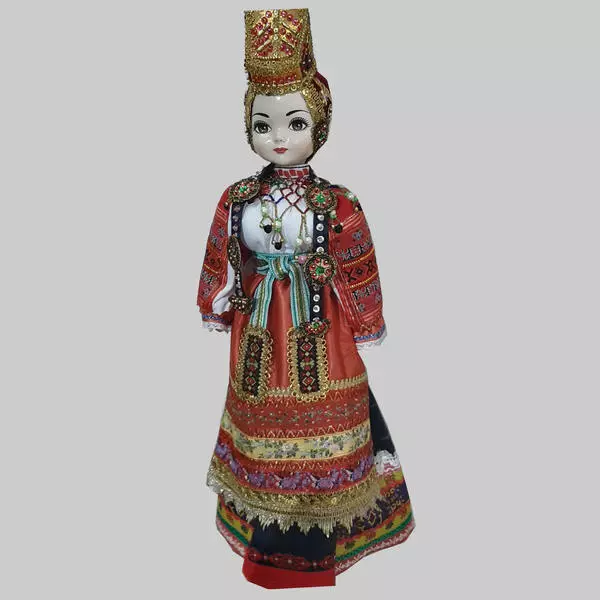
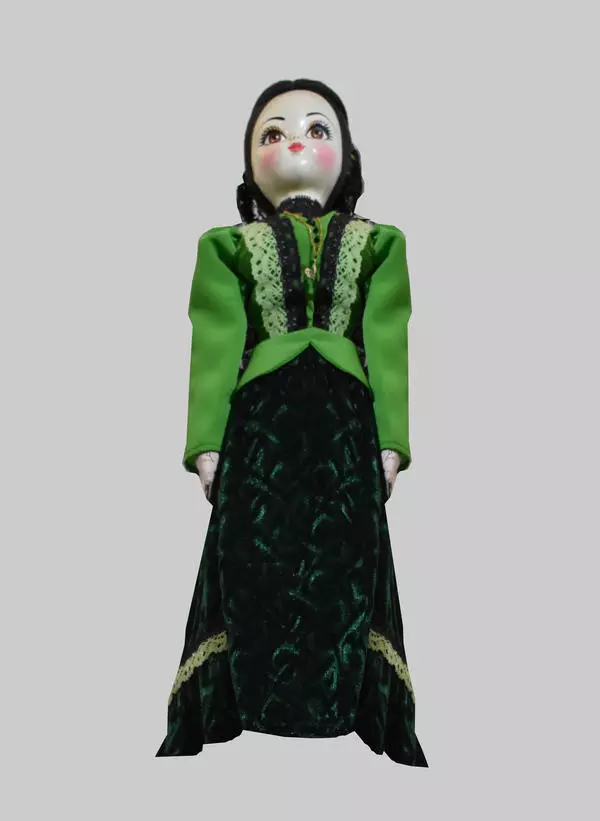
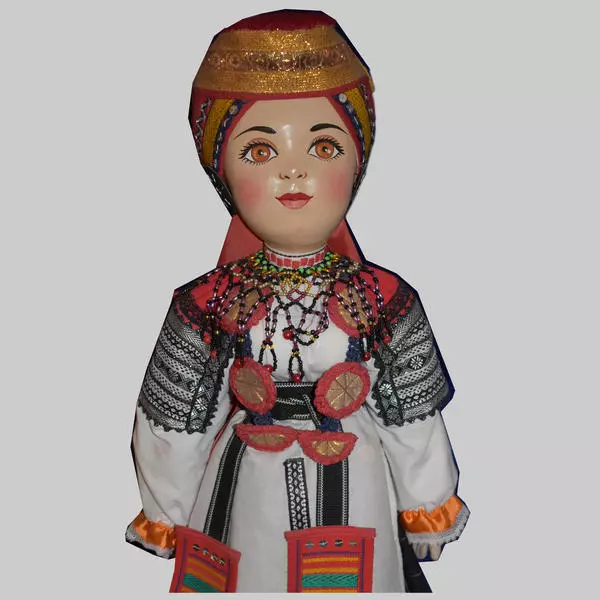
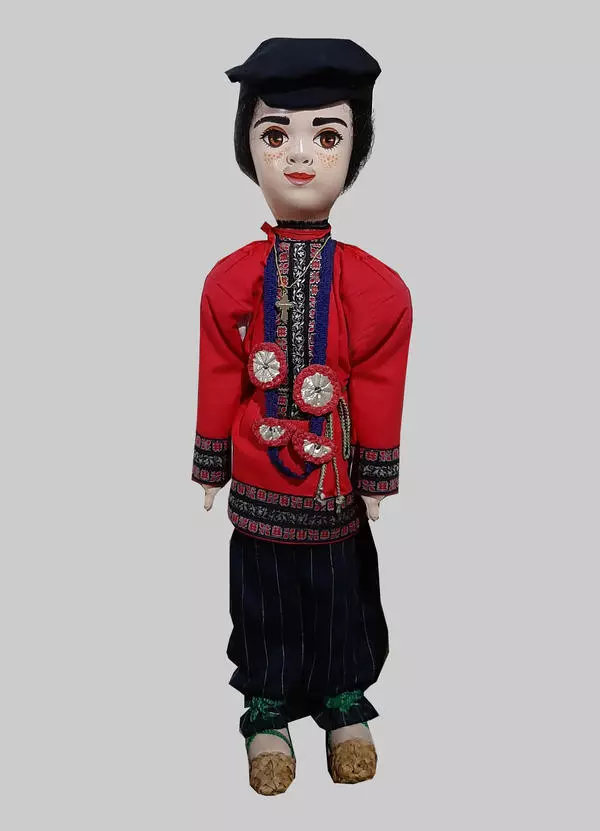
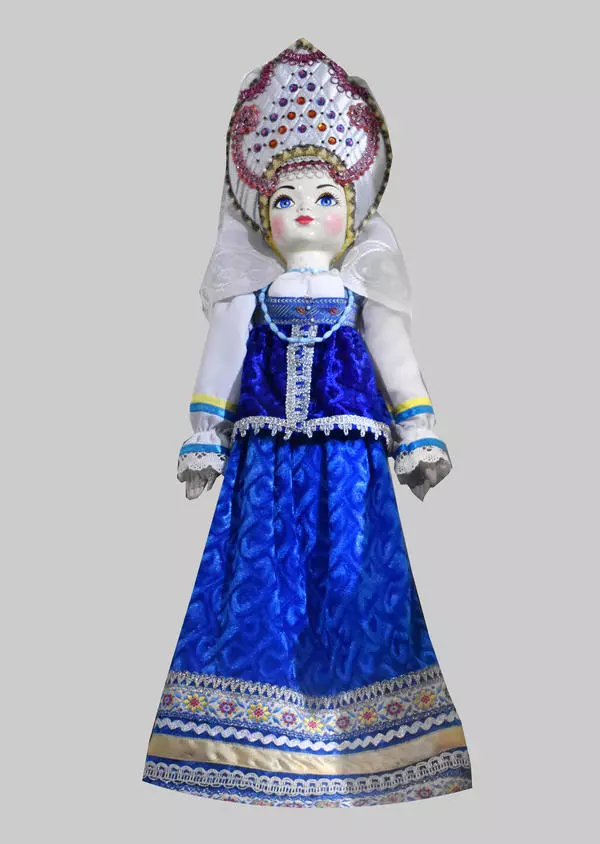
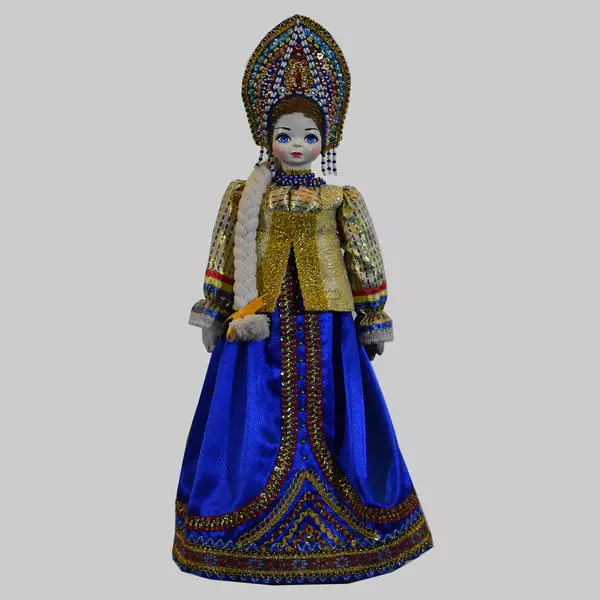
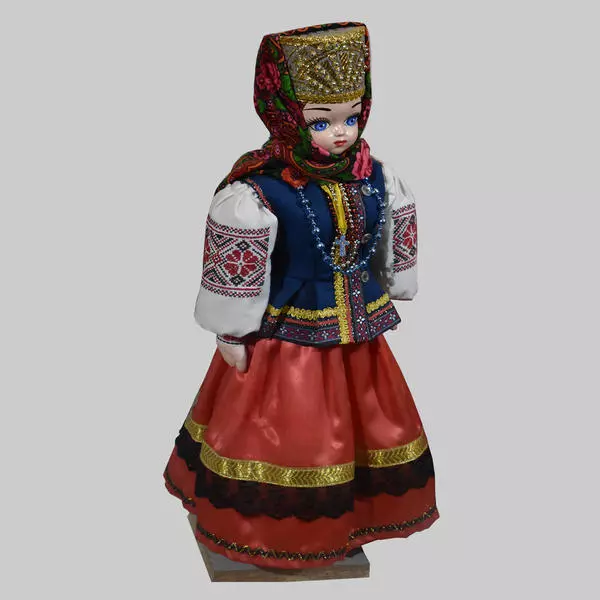
Puzevo women wore clothes including all typical Russian female costume elements. Long embroidered shirts formed the basis, they were covered with a ponyova, a zapon, an apron, or a ''curtain''. As accessories, Puzevo female inhabitants used monists or several rows of beads, and, of course, earrings — ''guns'' or amber. They covered their heads with headdresses named ''kichka'', ''soroka'' (magpie), kokoshnik. Also they kept in their wardrobes scarfs, shawls and under-shawls, tanned or covered fur coats for the cold season, and, of course, shoes.
Puzevo traditions and crafts left their mark on female everyday and festive costume. In the local version, the traditional Russian kichka with a trim included embroidered and woven ornaments typical for the area, bead weaving, and other decorative elements.
Puzevskaya kichka also differed from others in colour and design. As it was multi-component, significant experience was required to put together all its elements correctly. A kichka included a cap, a kichka itself, a wing, an ear and a trim.
The solid frontal part — the kichka in essence — could be made in one of three ways. Applying the first method, Puzevo residents took a 20-centimeter piece of hemp canvas, then soaked it, carefully soaped and made several rollers of different lengths. Then the rollers were dried, decorated (covered) with fabric and sewn into a single structure.
Another method was more economical: two rollers made of dry canvas were used for the top of the headdress, the basis was a tightly knocked bunch of straw covered with fabric. Then all elements were stitched together.
The listed technologies are traditional. Later, Puzevo people began to use a different technique. In this case they tore four osier twigs on the river banks and ''packed'' each of them with a dense fabric cover. Parts of the base were sewn together, and the ones intended for the top were bent and sewn to the bottom.
Puzevo women wore clothes including all typical Russian female costume elements. Long embroidered shirts formed the basis, they were covered with a ponyova, a zapon, an apron, or a ''curtain''. As accessories, Puzevo female inhabitants used monists or several rows of beads, and, of course, earrings — ''guns'' or amber. They covered their heads with headdresses named ''kichka'', ''soroka'' (magpie), kokoshnik. Also they kept in their wardrobes scarfs, shawls and under-shawls, tanned or covered fur coats for the cold season, and, of course, shoes.
Puzevo traditions and crafts left their mark on female everyday and festive costume. In the local version, the traditional Russian kichka with a trim included embroidered and woven ornaments typical for the area, bead weaving, and other decorative elements.
Puzevskaya kichka also differed from others in colour and design. As it was multi-component, significant experience was required to put together all its elements correctly. A kichka included a cap, a kichka itself, a wing, an ear and a trim.
The solid frontal part — the kichka in essence — could be made in one of three ways. Applying the first method, Puzevo residents took a 20-centimeter piece of hemp canvas, then soaked it, carefully soaped and made several rollers of different lengths. Then the rollers were dried, decorated (covered) with fabric and sewn into a single structure.
Another method was more economical: two rollers made of dry canvas were used for the top of the headdress, the basis was a tightly knocked bunch of straw covered with fabric. Then all elements were stitched together.
The listed technologies are traditional. Later, Puzevo people began to use a different technique. In this case they tore four osier twigs on the river banks and ''packed'' each of them with a dense fabric cover. Parts of the base were sewn together, and the ones intended for the top were bent and sewn to the bottom.
The trim was made of red cotton fabric. They took a rectangular piece of chintz about 60 centimeters long and 30-40 centimeters wide. The belt holding the headdress on the head had a decoration in the frontal part. For its creation, they sewed down a braided cord in three rows and closed the aisles with metal circles. Multi-coloured rectangles and sequins were stitched along the upper part. The lower part was trimmed with “eyebrows” — fluffy brushes of woolen thread, and later — of faux fur.