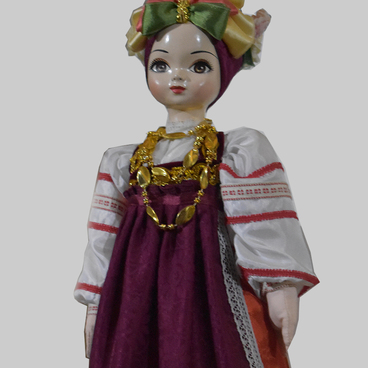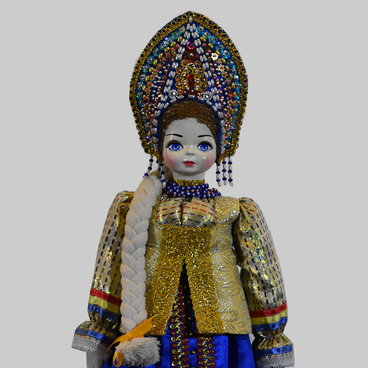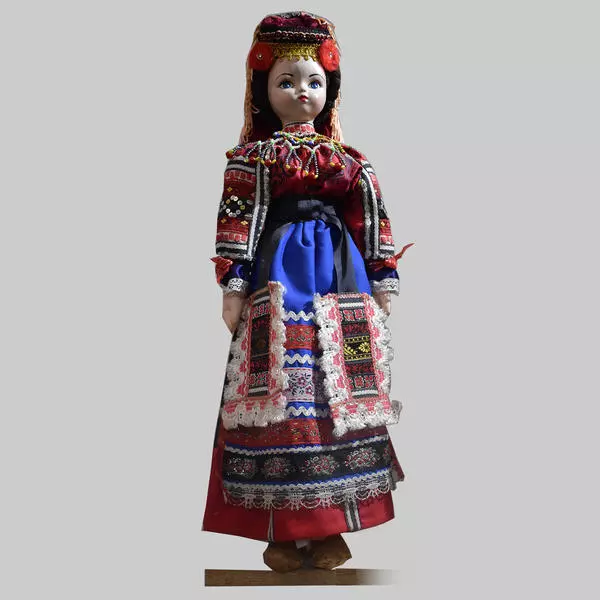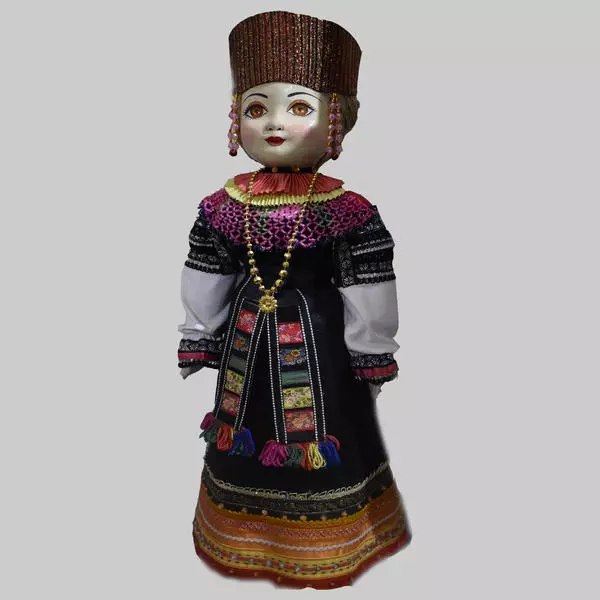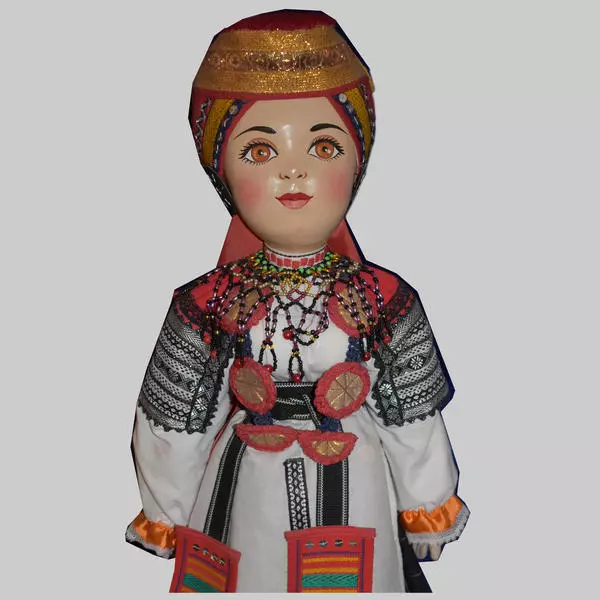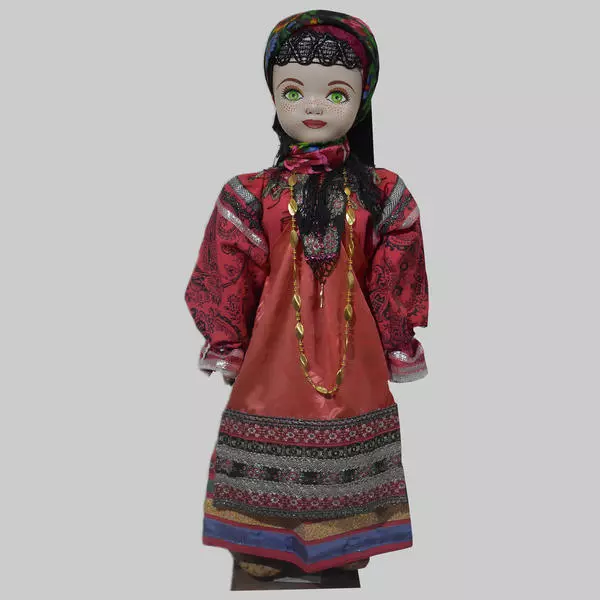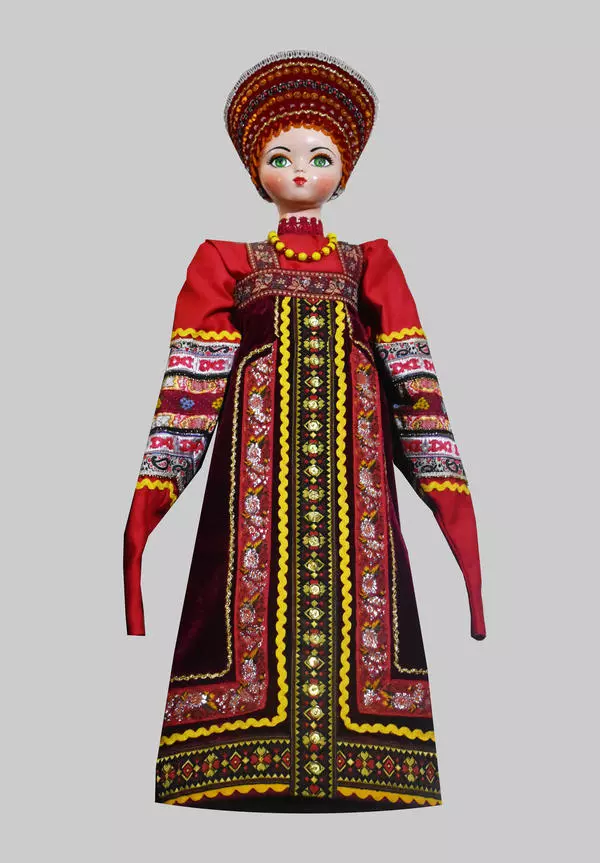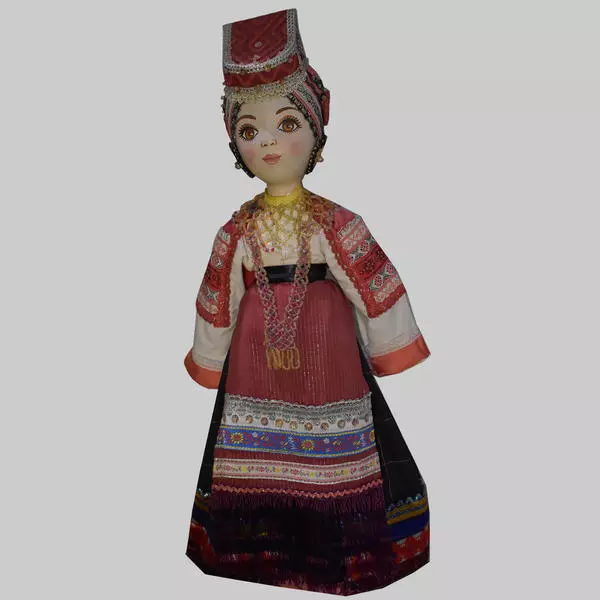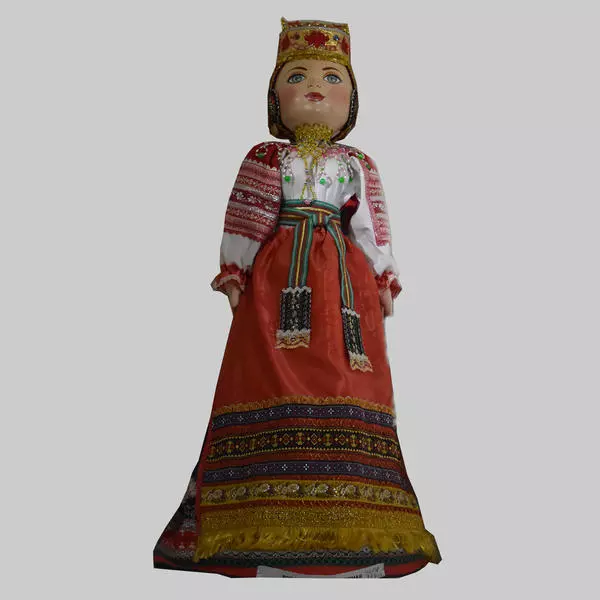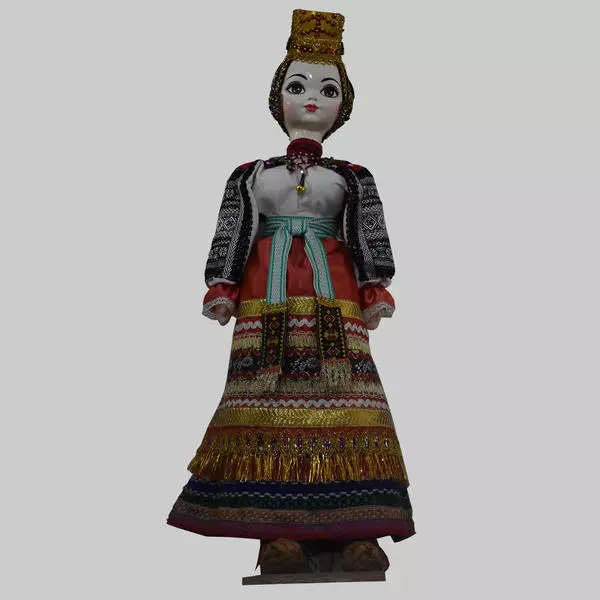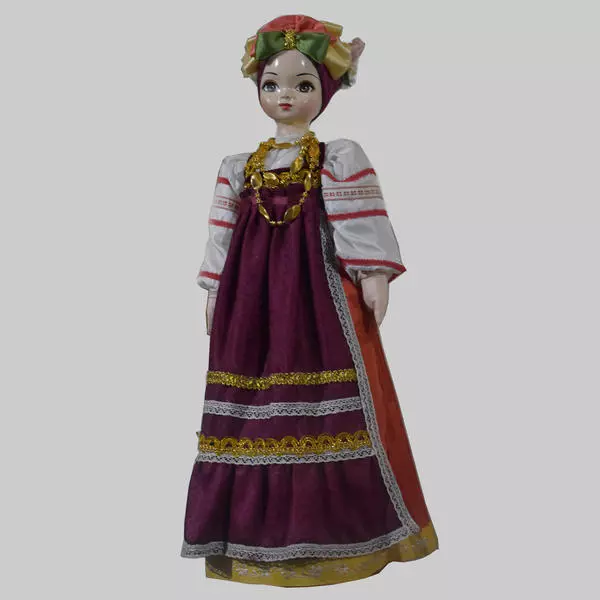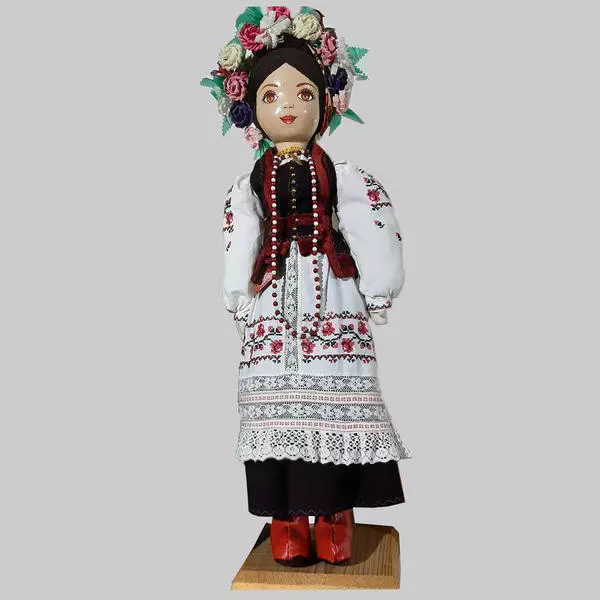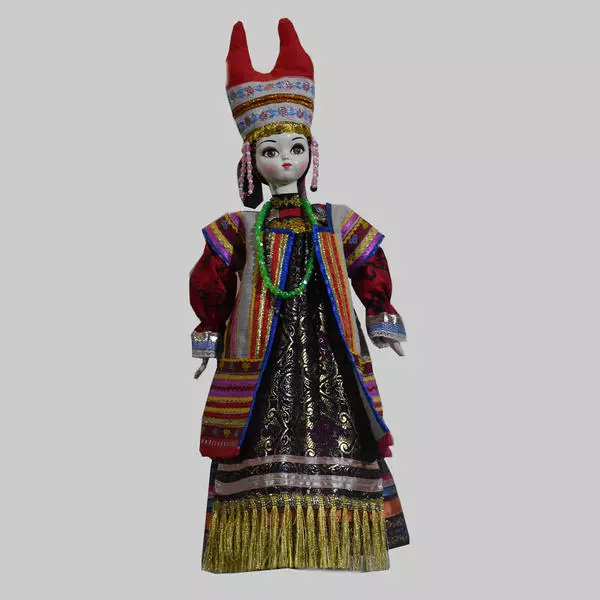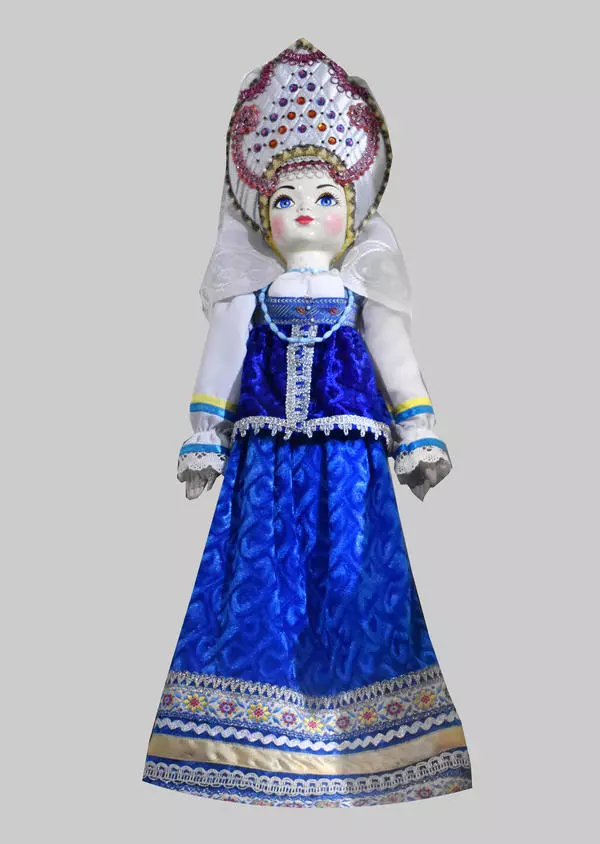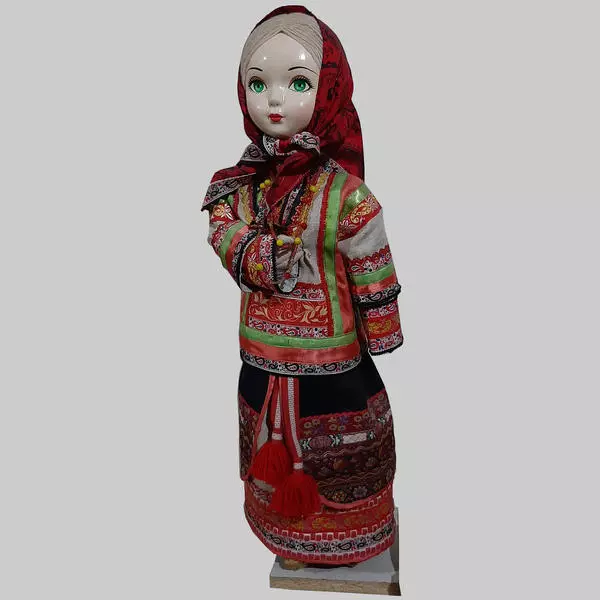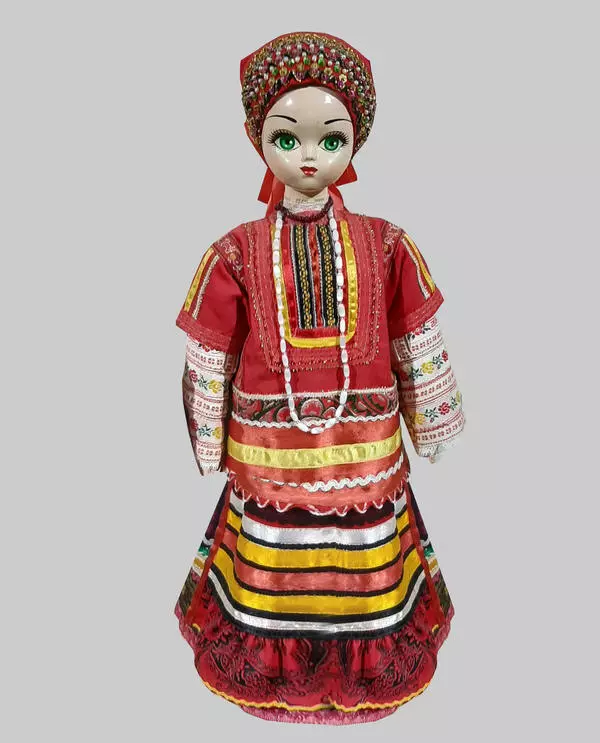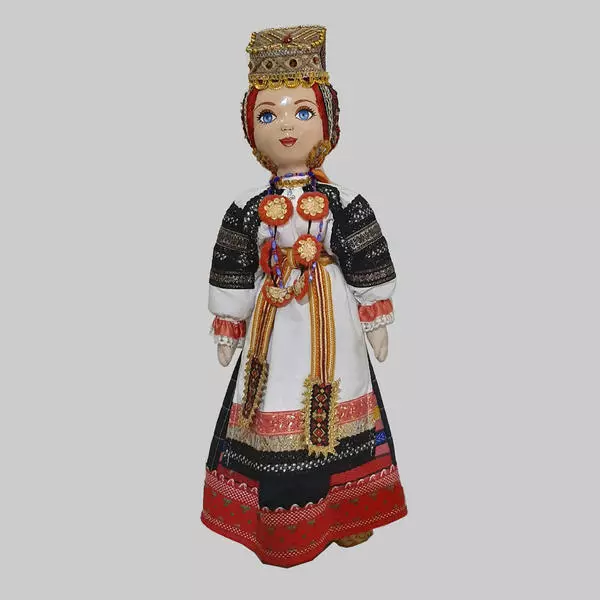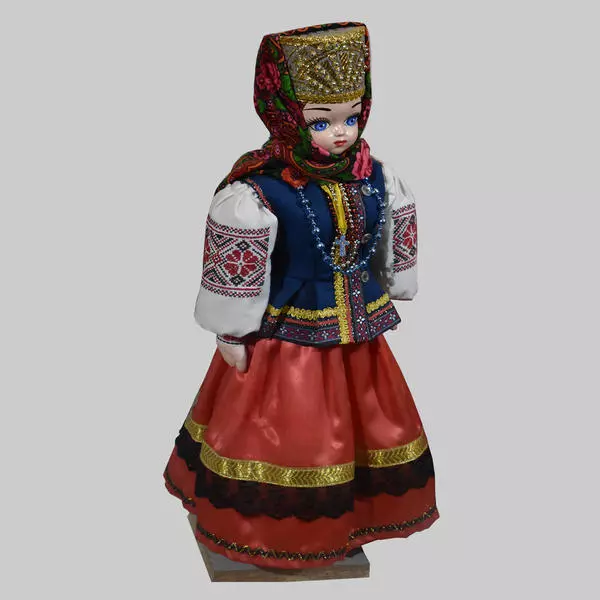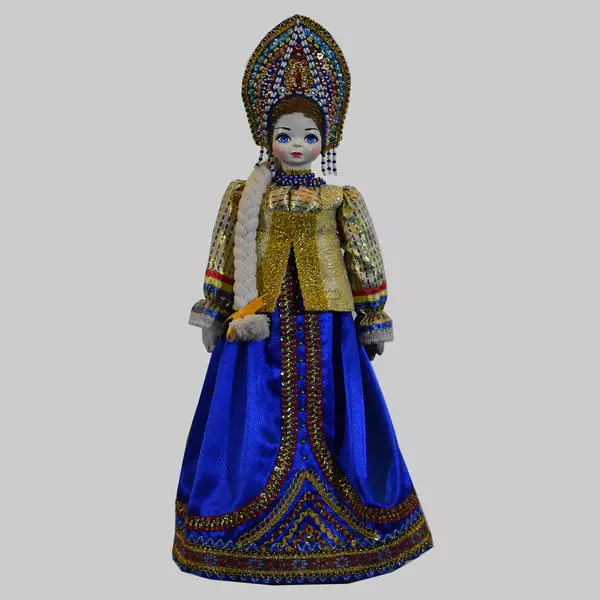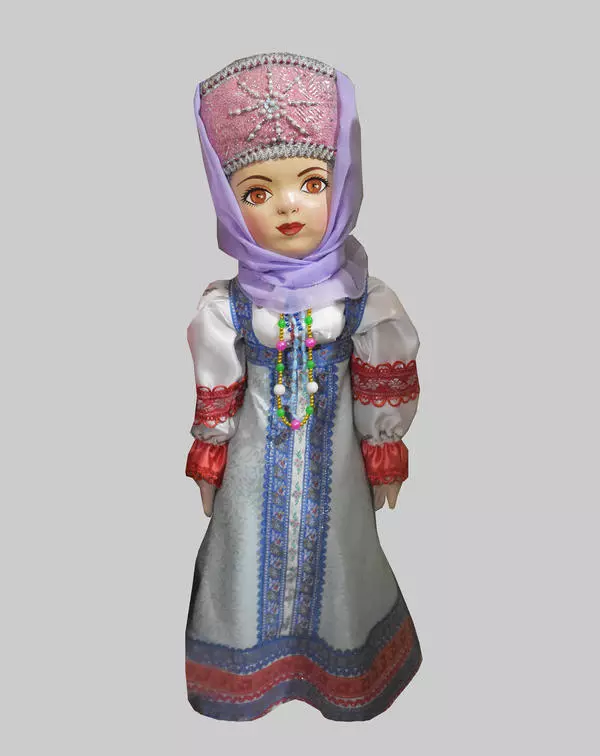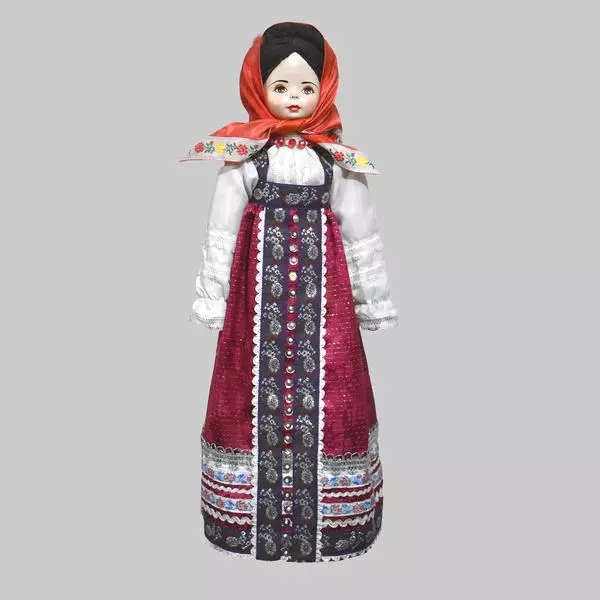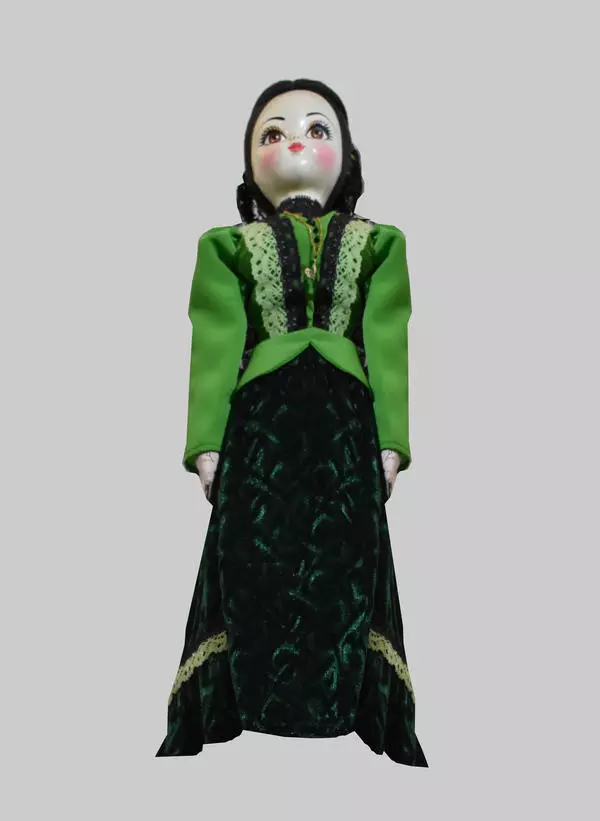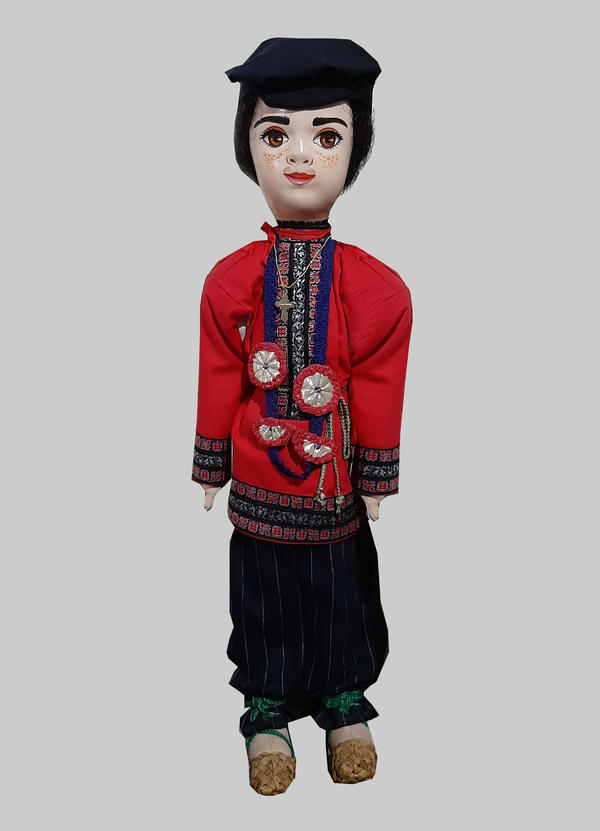
The specific feature of the Voronezh Province folk costume is that, due to the large influx of newcomers, it was repeatedly modified. Peasants from the Tambov, Oryol and Moscow lands came to the Voronezh Province, and many Ukrainians settled there in the 17th century. Each ethnic group brought its own traditions and introduced new elements into the Voronezh folk costume.
Men’s and women’s peasant clothes were made of natural plant fibers and fabrics manufactured from processed raw animal materials, the most popular ones for making clothing fabrics were wool, nettle and hemp. The colors of clothes were of major importance, as they reflected both aesthetic preferences and the peasants’ way of life. Three colors dominated the Voronezh costume - black, white and red. Black - the color of black soil - symbolized mother earth. So in the Voronezh Province it meant peace and joy at home as well as prosperity of the family and household. White color was a symbol of purity, renewal and victory of the spirit over the flesh; red meant beauty, love and fullness of life.
In contrast to the women’s outfits, the men’s peasant costume was quite simple; it consisted of black trousers, a shirt and a belt. The shirt had an angled collar line; it was made of a strong fabric of blue or red color, and was belted. The belt became an integral part of the men’s outfit in the 19th century. The removal of the belt meant the loss of honor. In addition to basic clothing, the peasant’s costume included high boots and headgear.
Men’s hats in the 19th century were made of different materials and came in various shapes. The ‘valenka’, which was made by wool milling, became widespread in the rural areas. The ‘valenka’ had a conical shape and a semi-circular top. In addition to valenkas, the peasants wore woolen hats, called ‘greshneviks’ in the off-season. During the holidays, villagers wore small hats of black color, which were decorated with golden and silver threads, bright ribbons or flowers.
In the summer, the Russian and Ukrainian peasants covered their heads with broad-rimmed hats straw called ‘bryly’. In winter, rural men wore ‘treukhas’ - three-flapped woolen hats insulated with fur. Knitted woolen hats of conical shape were popular in the Russian villages. The Ukrainians preferred to wear tall sheepskin hats called ‘kouchmas’.
At the beginning of the 19th century, a factory-made visored cap appeared in the villages, which by the end of the century gradually replaced the traditional hat. The cloth cap replaced the visored cap in the beginning of the 20th century.
Men’s and women’s peasant clothes were made of natural plant fibers and fabrics manufactured from processed raw animal materials, the most popular ones for making clothing fabrics were wool, nettle and hemp. The colors of clothes were of major importance, as they reflected both aesthetic preferences and the peasants’ way of life. Three colors dominated the Voronezh costume - black, white and red. Black - the color of black soil - symbolized mother earth. So in the Voronezh Province it meant peace and joy at home as well as prosperity of the family and household. White color was a symbol of purity, renewal and victory of the spirit over the flesh; red meant beauty, love and fullness of life.
In contrast to the women’s outfits, the men’s peasant costume was quite simple; it consisted of black trousers, a shirt and a belt. The shirt had an angled collar line; it was made of a strong fabric of blue or red color, and was belted. The belt became an integral part of the men’s outfit in the 19th century. The removal of the belt meant the loss of honor. In addition to basic clothing, the peasant’s costume included high boots and headgear.
Men’s hats in the 19th century were made of different materials and came in various shapes. The ‘valenka’, which was made by wool milling, became widespread in the rural areas. The ‘valenka’ had a conical shape and a semi-circular top. In addition to valenkas, the peasants wore woolen hats, called ‘greshneviks’ in the off-season. During the holidays, villagers wore small hats of black color, which were decorated with golden and silver threads, bright ribbons or flowers.
In the summer, the Russian and Ukrainian peasants covered their heads with broad-rimmed hats straw called ‘bryly’. In winter, rural men wore ‘treukhas’ - three-flapped woolen hats insulated with fur. Knitted woolen hats of conical shape were popular in the Russian villages. The Ukrainians preferred to wear tall sheepskin hats called ‘kouchmas’.
At the beginning of the 19th century, a factory-made visored cap appeared in the villages, which by the end of the century gradually replaced the traditional hat. The cloth cap replaced the visored cap in the beginning of the 20th century.