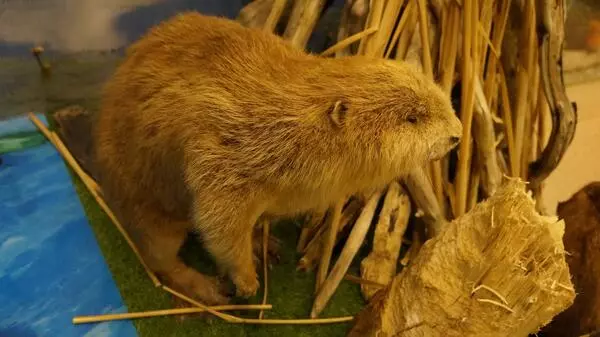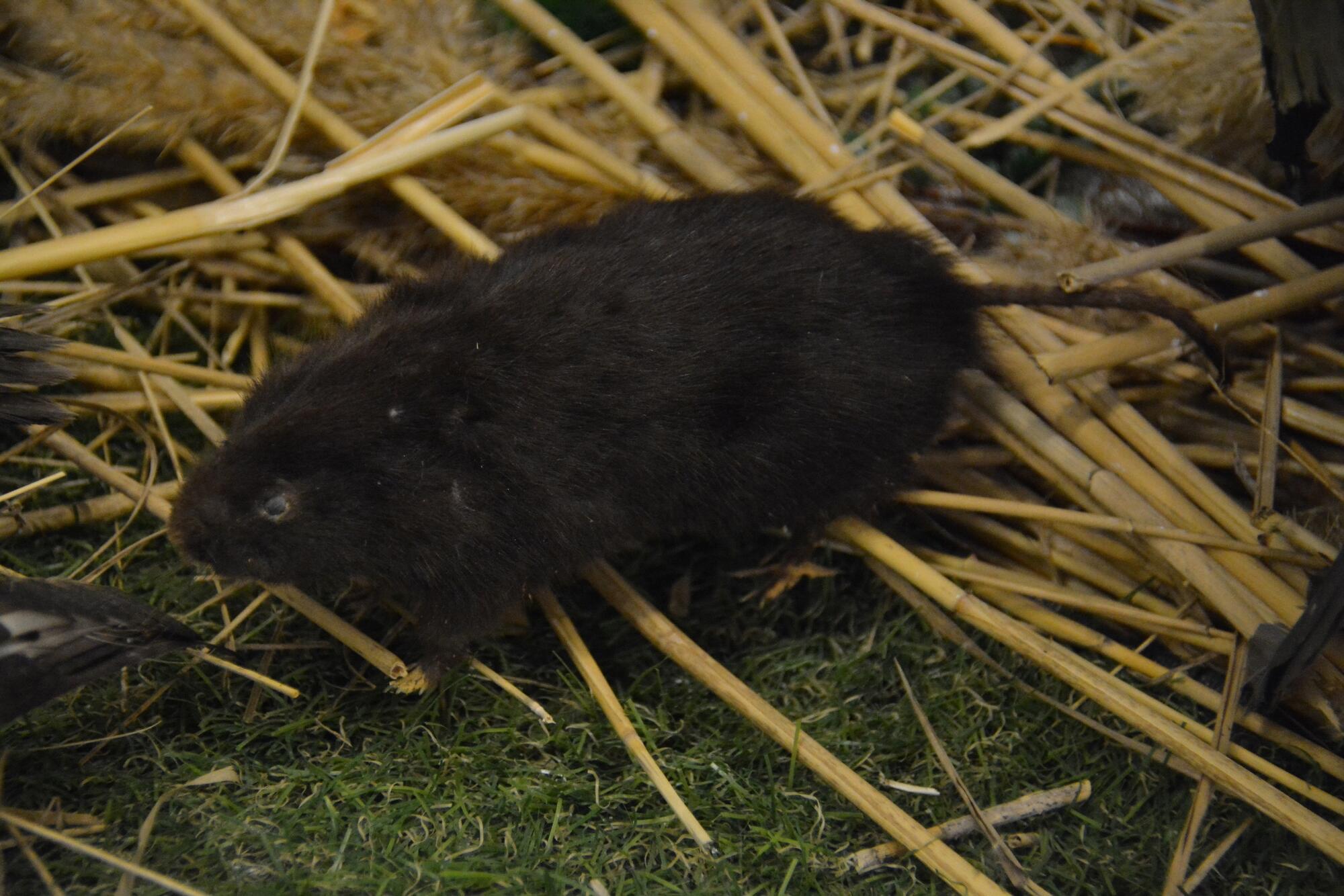


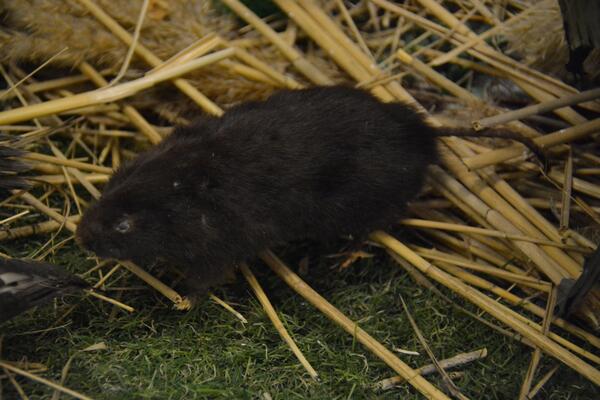
The European water vole, or the water rat, is the largest vole. In the Cricetidae /krī-ˈsēt-ə-ˌdē/ family, the water vole is second in size only to the muskrat. The untrained eye can easily confuse the water vole with the brown rat. The water vole has a shorter snout and legs, smaller eyes, hardly visible ears, and softer fur. Unlike the rat, the water vole’s tail is round in section, covered with hair, and ends up not with a patch of bare skin but with something like a switch about five millimeters long.
The coloring of the water vole’s back varies from dark brown to almost black. The water vole was introduced in the fur trade as late as 1926 due to the great number of water voles and relatively high prices on their fell. Besides, the water vole is an easy game. Its fur is in the best condition in spring. In summer, the water vole starts molting, and its fur loses commercial value.
The water vole inhabits northern regions from the Atlantic Coast in Western Europe to the central and southeast Yakutia, as well as Asia Minor and Western Asia, northern regions of Mongolia, and northwest regions of China. Typically, the animal settles on the waterside, but it can also be found far away from the water on meadows, in gardens, fields, and even orchards.
The water vole is active day and night, It is a good swimmer and diver and can climb tilting trees. The water vole feeds on waterside and water plants. Its favorite foods are leaves, stems, flowers, seeds, and buds. Occasionally, the water vole can eat insects, bird eggs, fish, frogs, and small mussels.
Typically, the animal lives in colonies of various sizes and breeds actively when it is warm. Within one season, the water vole breeds two to four times and bring 5 to 12 pups each time. By fall, these colonies migrate closer to crop plantations to inflict great damage to crops and young plants. It causes much harm when they dig burrows with many entrances, which damages the roots of plants and often leads to their death. A large family of water voles can destroy a harvest of root crops. They cache away everything small because they do not hibernate in winter and eat everything large right on the spot. The water vole can also be dangerous because it spreads rabbit fever, Omsk hemorrhagic fever, leptospirosis, and other diseases transmitted by blood-sucking insects.
The coloring of the water vole’s back varies from dark brown to almost black. The water vole was introduced in the fur trade as late as 1926 due to the great number of water voles and relatively high prices on their fell. Besides, the water vole is an easy game. Its fur is in the best condition in spring. In summer, the water vole starts molting, and its fur loses commercial value.
The water vole inhabits northern regions from the Atlantic Coast in Western Europe to the central and southeast Yakutia, as well as Asia Minor and Western Asia, northern regions of Mongolia, and northwest regions of China. Typically, the animal settles on the waterside, but it can also be found far away from the water on meadows, in gardens, fields, and even orchards.
The water vole is active day and night, It is a good swimmer and diver and can climb tilting trees. The water vole feeds on waterside and water plants. Its favorite foods are leaves, stems, flowers, seeds, and buds. Occasionally, the water vole can eat insects, bird eggs, fish, frogs, and small mussels.
Typically, the animal lives in colonies of various sizes and breeds actively when it is warm. Within one season, the water vole breeds two to four times and bring 5 to 12 pups each time. By fall, these colonies migrate closer to crop plantations to inflict great damage to crops and young plants. It causes much harm when they dig burrows with many entrances, which damages the roots of plants and often leads to their death. A large family of water voles can destroy a harvest of root crops. They cache away everything small because they do not hibernate in winter and eat everything large right on the spot. The water vole can also be dangerous because it spreads rabbit fever, Omsk hemorrhagic fever, leptospirosis, and other diseases transmitted by blood-sucking insects.