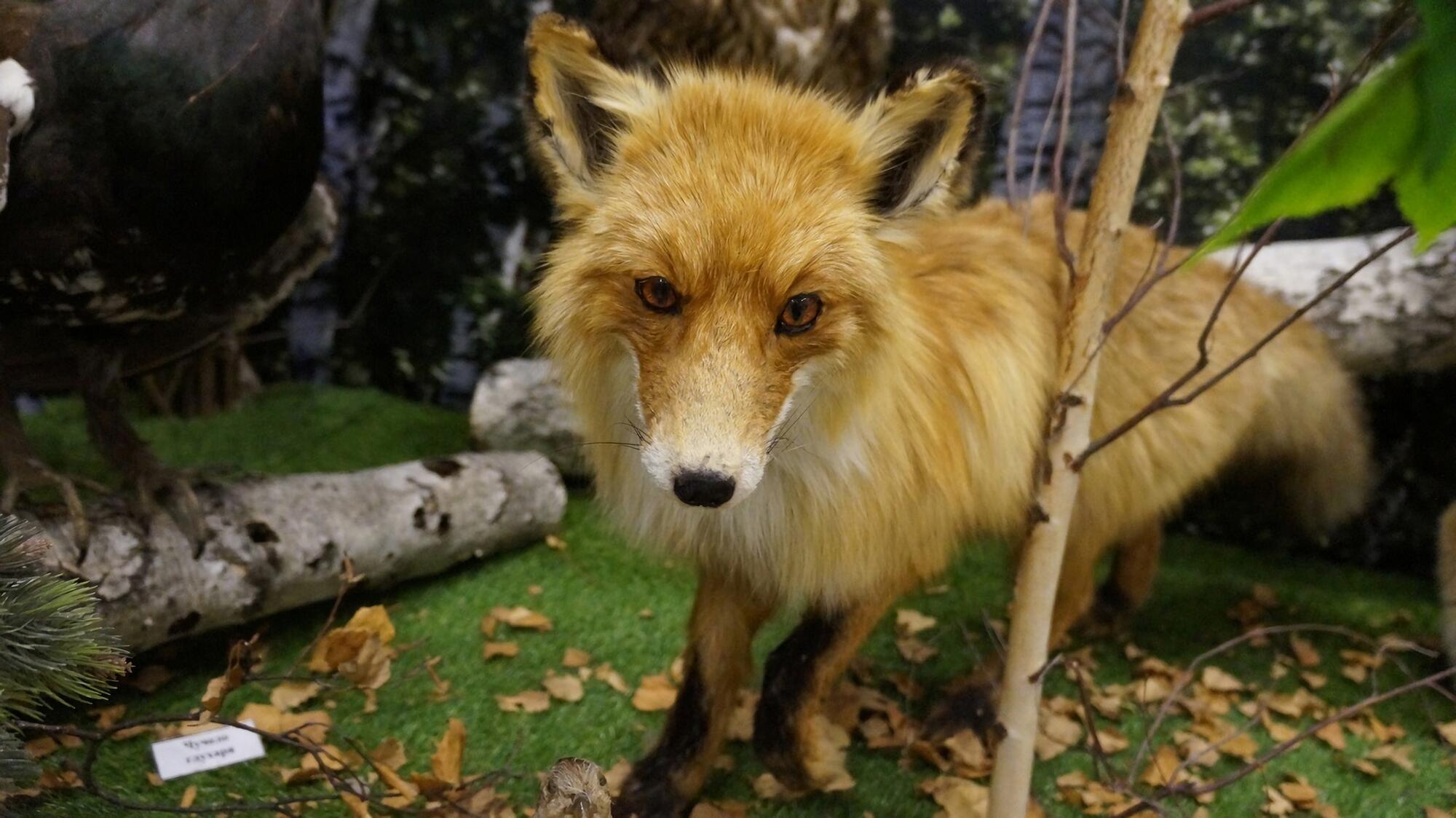


The fox is a predator in the mammal family Canidae /ˈkan-ə-ˌdē/ remotely related to the wolf and the dog. The most widespread and large fox species is the red fox. Foxes measure from 18 to 90 cm in size. All fox species share a common set of genus features—an elongated snout, a long body, short legs, and a bushy tail. The tail has practical uses. The fox uses it to keep its balance when tunning and warm itself in cold weather in winter. The length of the tail depends on the species and averages between 40 and 60 cm.
The fox has perfect hearing and an excellent sense of smell and relies primarily on them when preying. Its eyesight is nocturnal, making the fox colorblind. The fox’s mouth has 42 teeth, except the bat-eared fox that has 48 teeth.
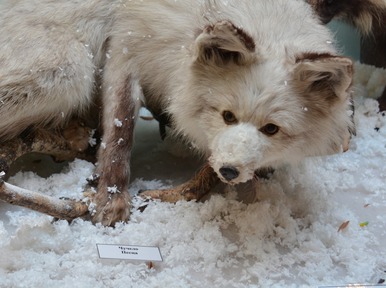
The variety coat color and size of fox species is due to their wide range and different living conditions. Towards the north, foxes become larger and paler, while more southern foxes are smaller and duller in color. In northern and mountainous regions, black-brown and melanistic foxes can be found. The most frequent color of the coat is a bright red back, a white belly, and dark legs.
Whatever the region, the fox feeds primarily on small rodents, mainly on vole-like species—its slender jaws and sharp teeth are perfect for preying on them. Fruit and berries represent a small portion of the fox’s diet.
The fox can be found in the wild and feels at home on the outskirts of cities. The animal often lives in urban landfills, parks, and basements. In the wild, these predators live for about three years, while the lifespan of captive foxes reaches 25 years.
The red fox is a popular character in the folklore of different world countries. In European culture, it usually embodies cunning and trickery. In Sumerian religion, the fox is a sacred animal and a harbinger of goddess Ki. Japanese mythology has fox-shapeshifters called kitsUne. They can put on a human shape, are immensely wise, and have magical powers.
The fox has perfect hearing and an excellent sense of smell and relies primarily on them when preying. Its eyesight is nocturnal, making the fox colorblind. The fox’s mouth has 42 teeth, except the bat-eared fox that has 48 teeth.
The variety coat color and size of fox species is due to their wide range and different living conditions. Towards the north, foxes become larger and paler, while more southern foxes are smaller and duller in color. In northern and mountainous regions, black-brown and melanistic foxes can be found. The most frequent color of the coat is a bright red back, a white belly, and dark legs.
Whatever the region, the fox feeds primarily on small rodents, mainly on vole-like species—its slender jaws and sharp teeth are perfect for preying on them. Fruit and berries represent a small portion of the fox’s diet.
The fox can be found in the wild and feels at home on the outskirts of cities. The animal often lives in urban landfills, parks, and basements. In the wild, these predators live for about three years, while the lifespan of captive foxes reaches 25 years.
The red fox is a popular character in the folklore of different world countries. In European culture, it usually embodies cunning and trickery. In Sumerian religion, the fox is a sacred animal and a harbinger of goddess Ki. Japanese mythology has fox-shapeshifters called kitsUne. They can put on a human shape, are immensely wise, and have magical powers.