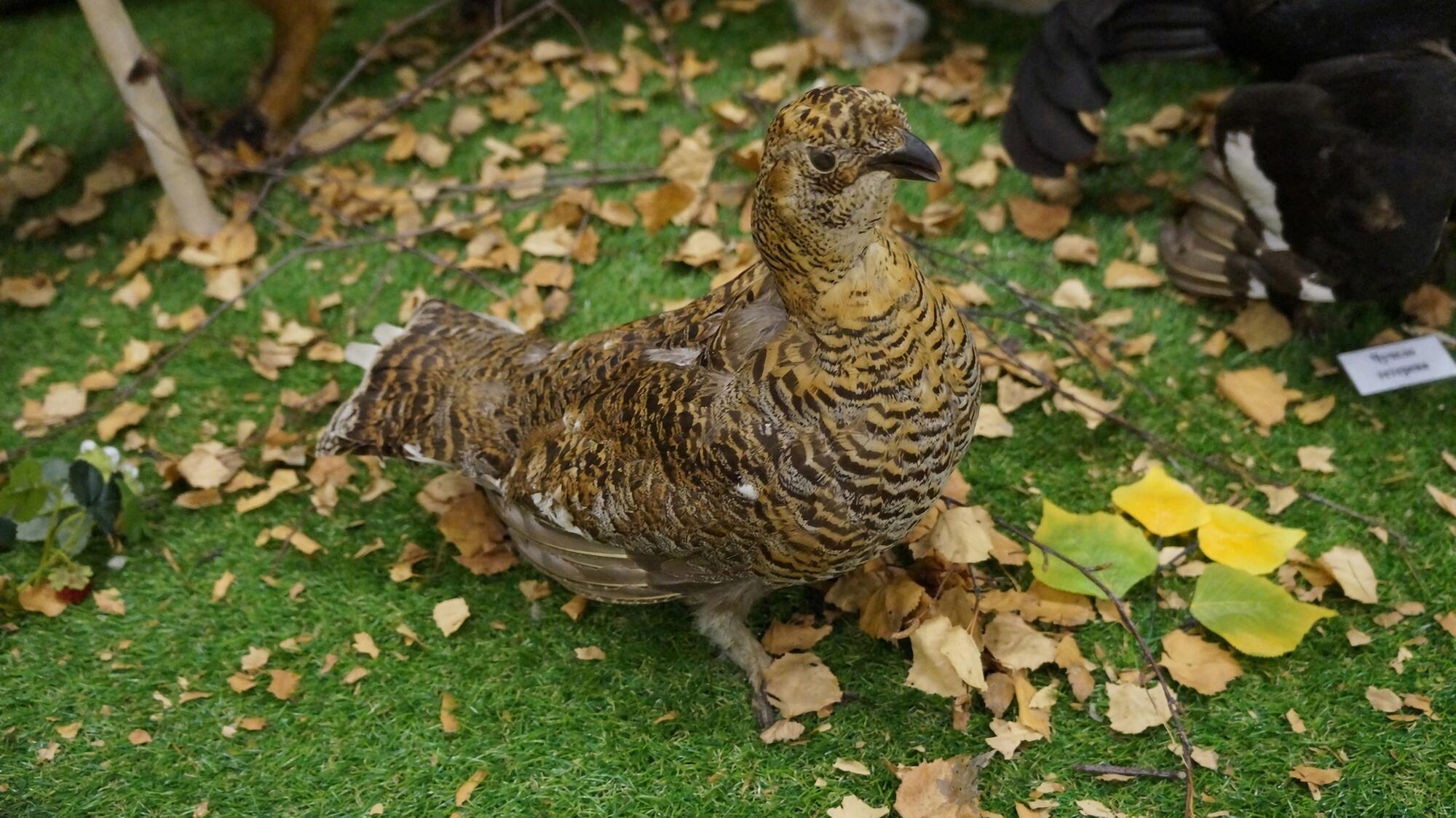


The gray partridge is a small bird in the family Phasianidae /-ˈanəˌdē/. The bird is hard to tell from the bearded partridge. In Slavic languages, the name means ‘chicken-like, ’ which is the easiest way to describe this bird. The male crows loudly, and the female clucks.
The gray partridge weighs between 500 and 700 grams and measures up to 40 centimeters. Its rotund body rests upon sturdy legs. The gray partridge’s coloring depends on the habitat and can be brown, russet, red, or almost white. The plumage is patchy with mottlings of different colors and sizes. The bird’s coat indicates that its primary protection strategy is camouflage.
The partridge is a bird that is not particularly fond of flying. It takes wing only in case of danger or to replenish its food cache. The partridge spends most of the time on the ground and hides from predators in dense vegetation. The bird has well-developed leg muscles that enable it to run swiftly and jump over hurdles with ease.
Its range covers Asia and Europe. Hunters take a special interest in this plain bird and made sure to bring it to the American continent. The gray partridge is sedentary and settles in open spaces. The bird feeds on various seeds, sometimes insects. It nests in nooks rights on the ground, and each pair has its own area to build a nest.
The bird spends all its life in roughly the same territory. Only lack of forage can make the gray partridge leave inhabited places to search for food. In severe and snowy winters, the gray partridge loses fear of humans and migrates closer to places where they live. Here, it can find food and hide from the cold wind. The bird has a hard time going through such forced migrations, making the gray partridge extremely skittish.
There is an ancient Greek myth about a foul deed of the ambitious architect Daedalus. He cast his apprentice Icarus, who surpassed him in skills, off a rock. However, the boy did not die—the goddess of just war and victory Athene turned him into a partridge. The bird remembers the fall: it does not like flying up high and keeps most of the time to the ground.
The gray partridge weighs between 500 and 700 grams and measures up to 40 centimeters. Its rotund body rests upon sturdy legs. The gray partridge’s coloring depends on the habitat and can be brown, russet, red, or almost white. The plumage is patchy with mottlings of different colors and sizes. The bird’s coat indicates that its primary protection strategy is camouflage.
The partridge is a bird that is not particularly fond of flying. It takes wing only in case of danger or to replenish its food cache. The partridge spends most of the time on the ground and hides from predators in dense vegetation. The bird has well-developed leg muscles that enable it to run swiftly and jump over hurdles with ease.
Its range covers Asia and Europe. Hunters take a special interest in this plain bird and made sure to bring it to the American continent. The gray partridge is sedentary and settles in open spaces. The bird feeds on various seeds, sometimes insects. It nests in nooks rights on the ground, and each pair has its own area to build a nest.
The bird spends all its life in roughly the same territory. Only lack of forage can make the gray partridge leave inhabited places to search for food. In severe and snowy winters, the gray partridge loses fear of humans and migrates closer to places where they live. Here, it can find food and hide from the cold wind. The bird has a hard time going through such forced migrations, making the gray partridge extremely skittish.
There is an ancient Greek myth about a foul deed of the ambitious architect Daedalus. He cast his apprentice Icarus, who surpassed him in skills, off a rock. However, the boy did not die—the goddess of just war and victory Athene turned him into a partridge. The bird remembers the fall: it does not like flying up high and keeps most of the time to the ground.