May Day, the International Workers’ Day, grew out of the urgent need to improve their living conditions. The first May demonstrations and strikes took place back in the 19th century and were aimed at improving living and labor conditions for the working class; in the early 20th century, they took on a pronounced political character. In 1917, the May Day demonstrations were open. On that day, as Maxim Gorky put it, “the Russian people were married to freedom.”
In the Labor Code, May Day was officially designated as a holiday, and the RSFSR became the first European country to switch to an eight-hour working day, introduce vacations and regular salary payments.
Anatoly Vasilyevich Lunacharsky noted the state character of the holiday.
In 1920, the tradition of All-Russian subbotniks arose (days, usually Saturdays, of volunteer unpaid work); mass celebrations and performances began to be held in the squares of large cities. Since 1921, one of the obligatory attributes of the holiday was the nationwide celebration of model workers and heroes of labor: concerts were held, sports relay races were organized and newspapers featured stories about the workers.
May Day of 1923 became for the first time a holiday of demonstration of industrial and economic success.
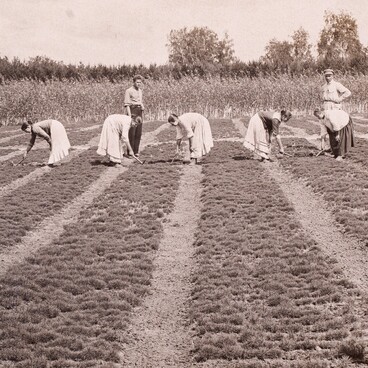
The post-war 1920s were difficult for the residents of the Grayvoronsky Uyezd, life was only getting into the accustomed rut. Military communism was replaced by the NEP policy, small and partially medium-sized enterprises were given to private owners, and the restoration of acreage and animal husbandry was gradually underway. The Borisovka Collective Farm, one of the five county farms, owned 224 desyatinas of land (1 desyatina is equal to 1.09 hectare) during that period.
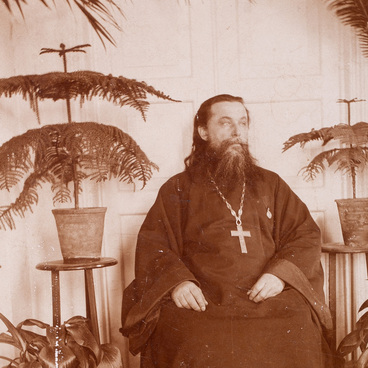
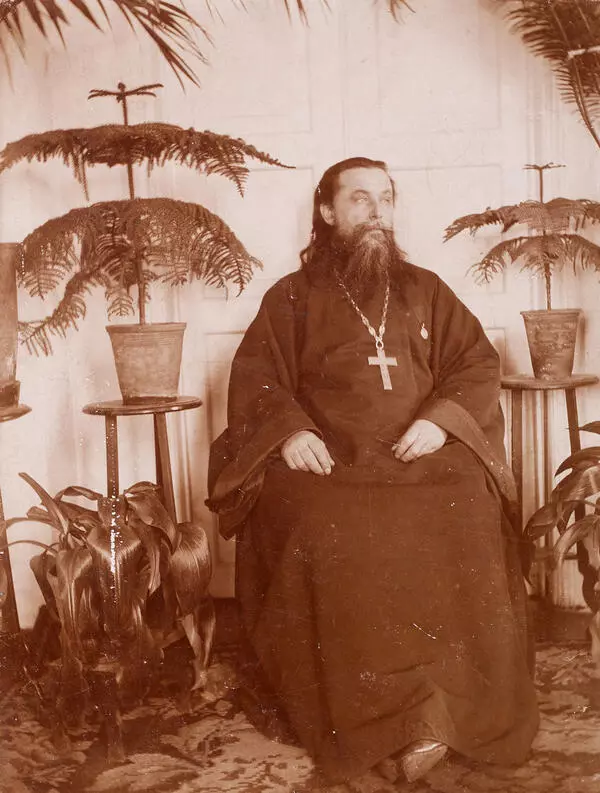
In 1921–1922, due to drought, famine began in the Volga region. Grayvoronsky Uyezd received more than 200 Volga children, shelters were opened, including in Borisovka, at the expense of trade unions. The clergy provided great support, replenishing the funds with silverware and impressive donations.
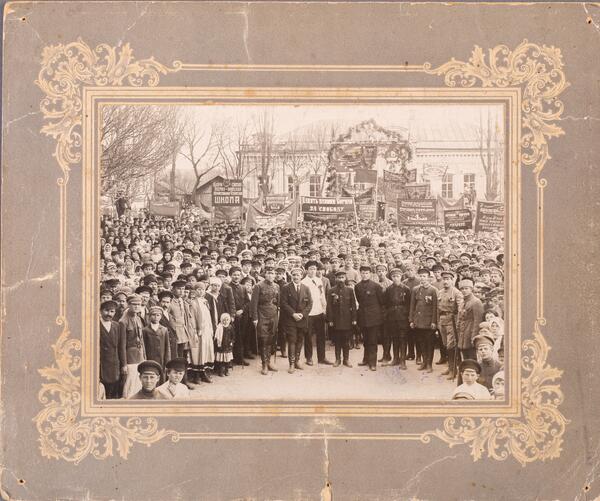
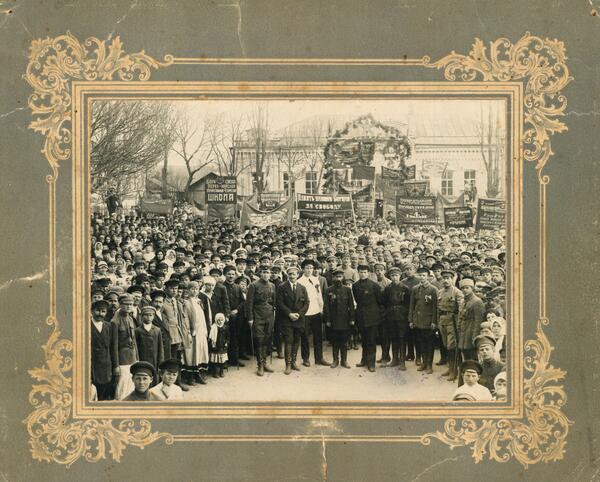
In the photo presented in the exhibition, Grigory Vasilyevich Safontsev captured the May Day celebration on the main (market) square of Borisovka.
In the Labor Code, May Day was officially designated as a holiday, and the RSFSR became the first European country to switch to an eight-hour working day, introduce vacations and regular salary payments.
Anatoly Vasilyevich Lunacharsky noted the state character of the holiday.
In 1920, the tradition of All-Russian subbotniks arose (days, usually Saturdays, of volunteer unpaid work); mass celebrations and performances began to be held in the squares of large cities. Since 1921, one of the obligatory attributes of the holiday was the nationwide celebration of model workers and heroes of labor: concerts were held, sports relay races were organized and newspapers featured stories about the workers.
May Day of 1923 became for the first time a holiday of demonstration of industrial and economic success.
The post-war 1920s were difficult for the residents of the Grayvoronsky Uyezd, life was only getting into the accustomed rut. Military communism was replaced by the NEP policy, small and partially medium-sized enterprises were given to private owners, and the restoration of acreage and animal husbandry was gradually underway. The Borisovka Collective Farm, one of the five county farms, owned 224 desyatinas of land (1 desyatina is equal to 1.09 hectare) during that period.
In 1921–1922, due to drought, famine began in the Volga region. Grayvoronsky Uyezd received more than 200 Volga children, shelters were opened, including in Borisovka, at the expense of trade unions. The clergy provided great support, replenishing the funds with silverware and impressive donations.
In the photo presented in the exhibition, Grigory Vasilyevich Safontsev captured the May Day celebration on the main (market) square of Borisovka.