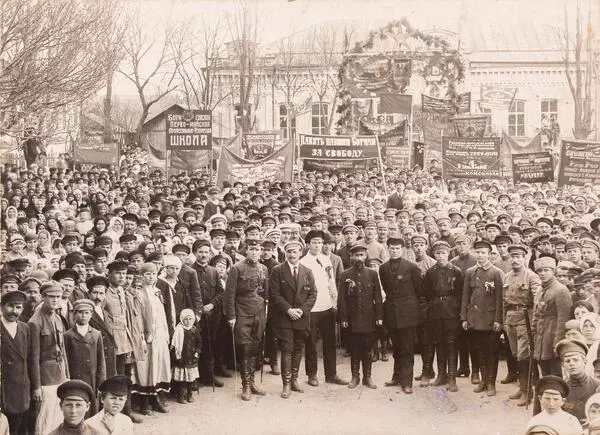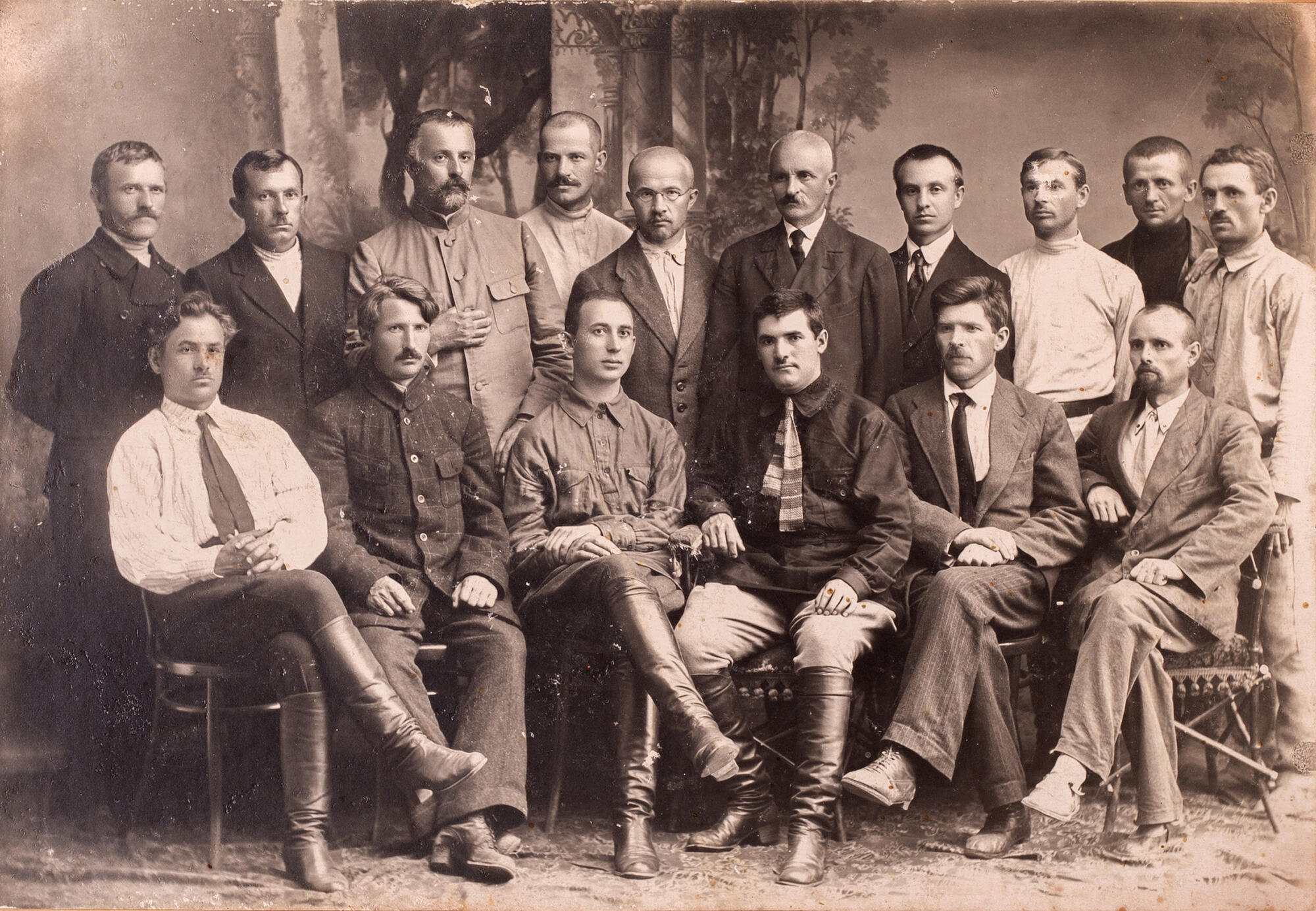


At the 10th Congress of the Russian Communist Party of Bolsheviks in Moscow, the principles of the NEP strategy were put forward, the main goal of which was to restore and strengthen the country’s economy.
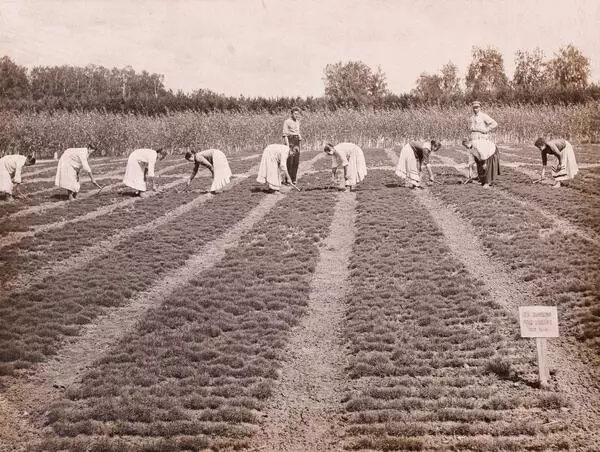
In 1922, the county executive committee began collecting information about the cultural and economic situation of the Grayvoronsky Uyezd. Of the 40,069 desyatinas of nationalized land (1 desyatina is equal to about 1.09 hectare), 1,139 were given to collective farms, 38,696 were allocated for the needs of the sugar industry, 180 were turned into experimental fields. There were only 12 such fields with an area of 10–14 desyatinas, and they did not differ in yield from collective and peasant farms.
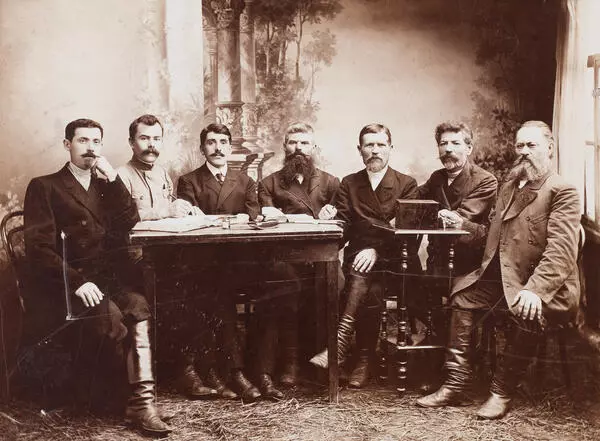
At the same time, the first consumer, agricultural and credit cooperatives began to be formed in the county. The involvement of peasants in them was managed by a special board, officially chosen by representatives of 15 artels and partnerships.
In Borisovka, the partnerships “Grain Farmer-Artisan”, “Cultural Life” and “Progress” appeared. The latter was the most influential. It encompassed 591 farms, owned warehouses with forest and agricultural tools, a department store, a stall, a grocery store, retail and rental establishments, and a tile factory. In addition, it was engaged in grain harvesting and lent its members money.
The trade of the NEP period was based on the principle of commodity exchange: peasants could exchange the necessary equipment in the farm — a plow, a harrow, a harness, as well as salt and kerosene — for bread.
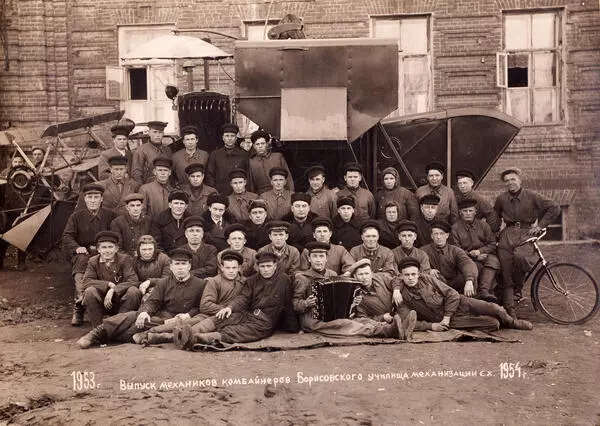
The main agricultural crops in the Grayvoronsky District were rye and barley; millet, oats, and sugar beet were also planted. However, the restoration of agriculture was slow and difficult, people pinned their hopes on crafts. There were starch factories, windmills, drying plants, mechanical and water mills, fulleries, and creameries. 70 workers were employed at a brick factory. Often, such establishments developed in which the owner was also the only employee.
Statistical data allows to assess the demand for handicrafts: there were 1487 shoemakers, 566 blacksmiths, 266 tanners, and so on. Borisovka was a recognized center of the handicraft industry.
In 1922, the county executive committee began collecting information about the cultural and economic situation of the Grayvoronsky Uyezd. Of the 40,069 desyatinas of nationalized land (1 desyatina is equal to about 1.09 hectare), 1,139 were given to collective farms, 38,696 were allocated for the needs of the sugar industry, 180 were turned into experimental fields. There were only 12 such fields with an area of 10–14 desyatinas, and they did not differ in yield from collective and peasant farms.
At the same time, the first consumer, agricultural and credit cooperatives began to be formed in the county. The involvement of peasants in them was managed by a special board, officially chosen by representatives of 15 artels and partnerships.
In Borisovka, the partnerships “Grain Farmer-Artisan”, “Cultural Life” and “Progress” appeared. The latter was the most influential. It encompassed 591 farms, owned warehouses with forest and agricultural tools, a department store, a stall, a grocery store, retail and rental establishments, and a tile factory. In addition, it was engaged in grain harvesting and lent its members money.
The trade of the NEP period was based on the principle of commodity exchange: peasants could exchange the necessary equipment in the farm — a plow, a harrow, a harness, as well as salt and kerosene — for bread.
The main agricultural crops in the Grayvoronsky District were rye and barley; millet, oats, and sugar beet were also planted. However, the restoration of agriculture was slow and difficult, people pinned their hopes on crafts. There were starch factories, windmills, drying plants, mechanical and water mills, fulleries, and creameries. 70 workers were employed at a brick factory. Often, such establishments developed in which the owner was also the only employee.
Statistical data allows to assess the demand for handicrafts: there were 1487 shoemakers, 566 blacksmiths, 266 tanners, and so on. Borisovka was a recognized center of the handicraft industry.