

The earliest inventions of mankind include millstones, which were used in many cultures and mentioned in ancient stories, legends and the Old Testament. The millstone is older than the wheel: according to one theory, it even was the latter’s forerunner.
People began using millstones over ten thousand years ago, in the Stone Age. They were used to grind grains and herbs to make the earliest bread. Based on how old millstones worked, many modern mills were designed, including ball, planetary, jet, and vortex ones.
Millstones are a primitive mechanical tool that consists of two round stones. They were made from wood, stone, limestone and sandstone. The main function of millstones is to grind grain, plants, animal products and minerals, hence the second name of the tool — grindstones.
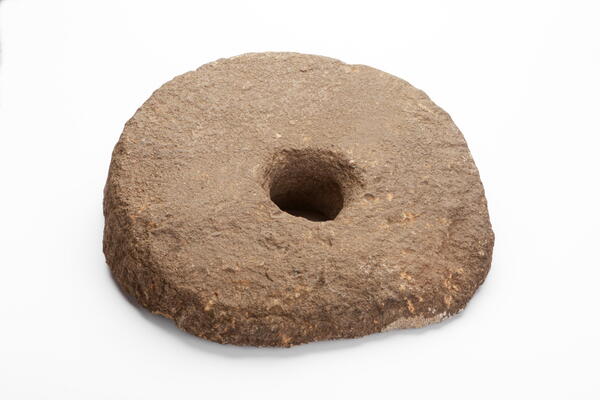
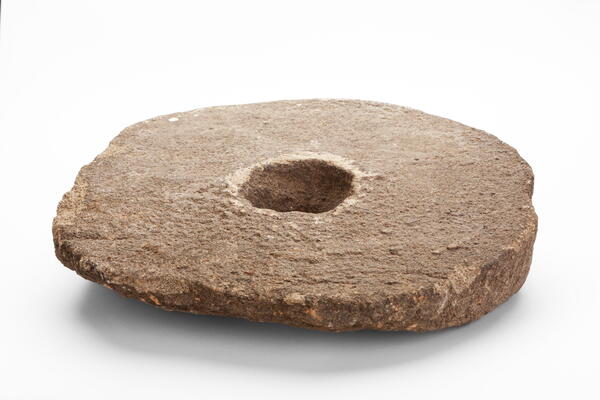
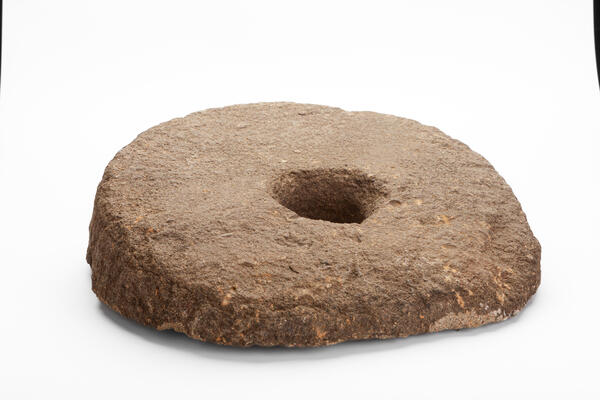
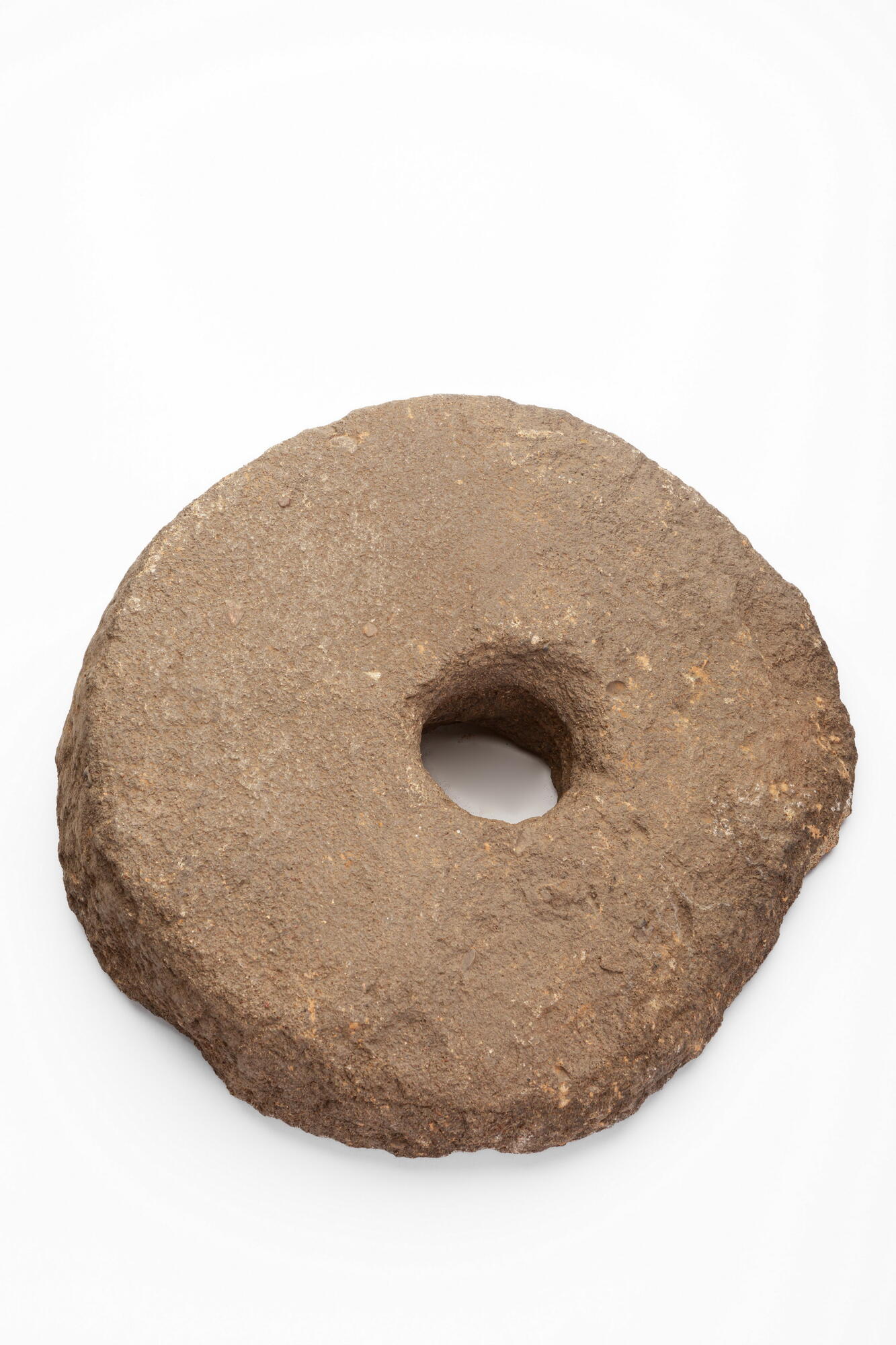
The process of grinding always required two millstones. The runner (upper) stone had a six to nine-centimeter hole in the center; a stick was placed into it, and its other end was either attached to the top or held in hands. The bedstone remained stationary. The surfaces of millstones had furrows, which helped to grind flour and gradually pour it into containers. The closeness of contact between the stones could be adjusted.
Flour made with such hand mills was quite coarse and had stone dust and small crumbs from the soft sandstone in it. Idnakar residents used such flour to make flatbread. Grain grinding was done by women; it was a hard and painstaking process.
In the olden days, people came up with a lot of riddles about flour and millstones, for example, “One says — let’s run, another says — let’s lie down, the third says — let’s roll.”
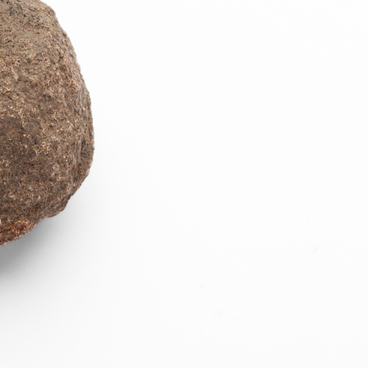
Millstones from the museum’s collection were found during archaeological excavations in 2002–2004 at the site of tthe Idnakar hillfort in Soldyr. The expedition, consisting of experts from the Udmurt Institute of History, Language and Literature, was led by Professor Margarita Grigoryevna Ivanova. Almost every year during the entire period of study of the Idnakar hillfort, stones from hand mills were found throughout its entire area. All of them were made from local coarse sandstone and had a diameter of 30–45 centimeters.