In the Middle Ages, the Idnakar hillfort was a major metal processing center in the Prikamye region. A significant part of the materials was used for making jewelry. During the excavations, fragments of bronze vessels were discovered, as well as parts of harnesses, fishing hooks, spoons, knives, axes, musical instruments such as mouth harps, arrowheads, fire strikers and nails.
Medieval Udmurts had great skills at casting, which is evidenced by a series of crucibles, that is, containers for melting, clay smelting ladles for pouring hot metal, molds, special copper blanks, unfinished castings and semi-finished and finished products.
From the olden times, smithery has been considered a special art; a smith’s ability to tame molten metal and shape it was associated with otherworldly and magical forces. As metallurgy developed, blacksmiths divided according to their area of expertise — iron, copper or silver.
There are no copper deposits in the Cheptsa River valley, and bog iron ore was traditionally used there. Non-ferrous metals reached the south of Udmurtia and the Urals in the form of blanks. At Idnakar, rods, fragments of blanks with traces of cutting, as well as molds for casting copper “blanks” were discovered.
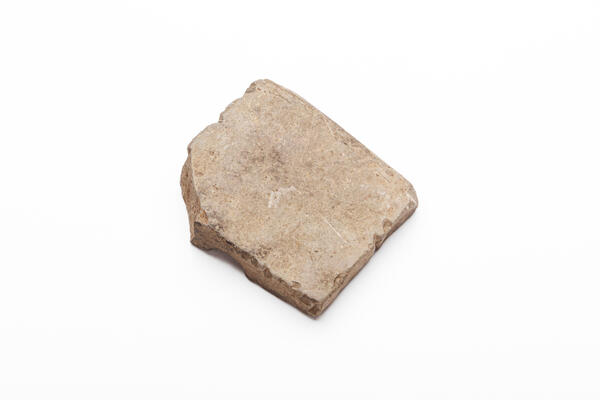
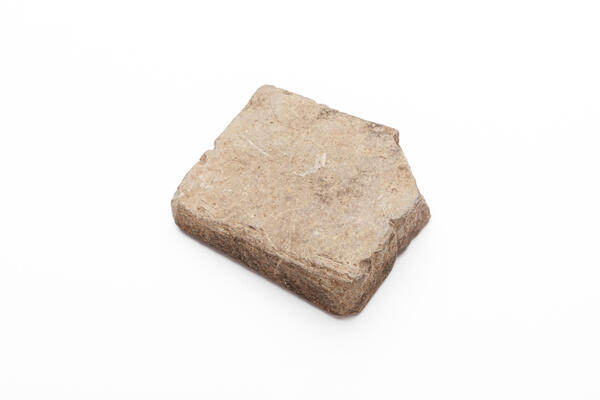
Udmurt molds were varied; most often, they were carved from dense gray limestone. Smiths used molds to cast coin-shaped pendants, small details and ornaments. Udmurt jewelers mastered various technologies, such as forging, stamping, chasing, wire making and casting from wax models.
Back in the early days, craftsmen possessed the secrets of filigree and granulation — very complicated jewelry techniques. The numerous finds, which indicate that Udmurt jewelers possessed great skills and imagination, include bronze and silver earrings, rings, bracelets, belt elements, brooches, buckles and pendants. Apart from being pleasing to the eye, they were also used as amulets.
Some of the most well-known archaeological finds at Idnakar are noise-making pendants with images of goose feet and pendants shaped like ducks. The worship of waterfowl dates to ancient times and the mythology of the Finno-Ugric tribes. In old legends, the duck appears as the demiurge of the middle world — the world of people. It is also considered an amulet for women and a symbol of motherhood.