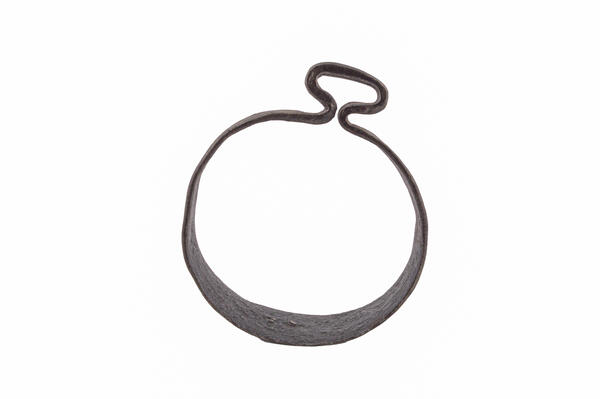
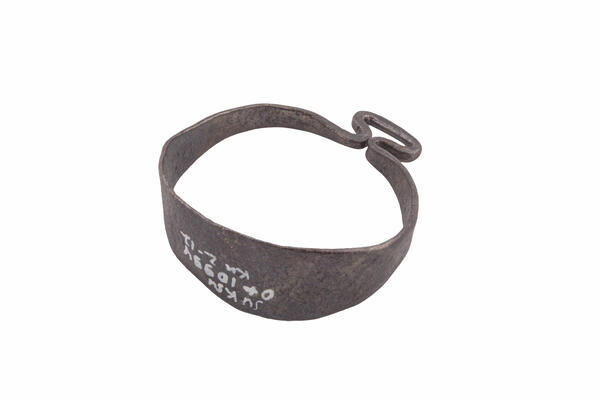
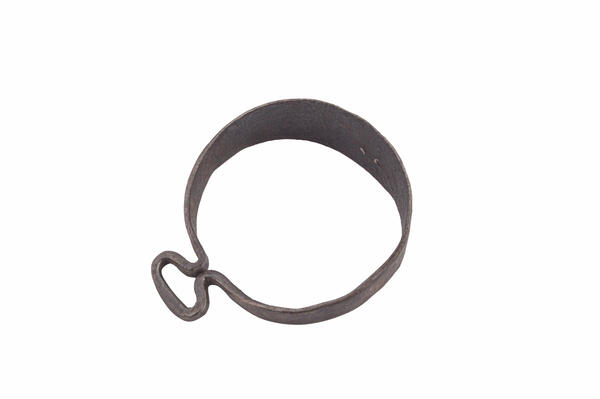
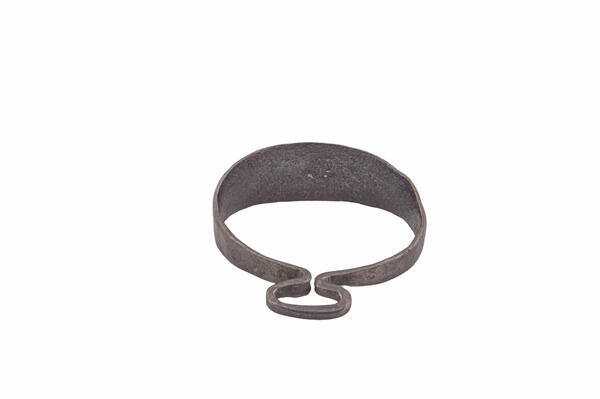
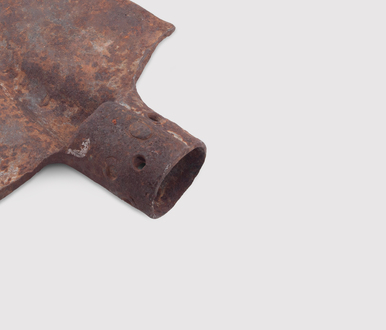
Stirrups are a pair of devices that help the rider mount a horse and maintain balance while riding. These are iron loops with a base, suspended by straps from the saddle to support the rider’s feet.
Stirrups were invented in the 4th century by nomads and quickly spread throughout the world. With stirrups, the rider could deliver saber blows and shoot bows more accurately. This allowed the nomads to change the tactics and strategy of military operations as well as the weapons.
Stirrups have two serious disadvantages. Firstly, their design is such that if a rider falls, his leg is trapped regardless of his skills and experience.
If the stirrup is poorly fitted (the stirrup is too wide and the rider’s foot slips through or it is too narrow and it is difficult to release the foot), then the risk of serious injury in the case of falling increases significantly.
The second disadvantage is that excessive stress on the foot in the stirrup while riding can lead to muscle and tendon damage, and eventually to deformation of the rider’s feet. Therefore, if a rider needs to stay in the saddle for a long time, stirrups with a wider base are used.
In the 19th and 20th centuries, 90% of the Shors in Gornaya Shoria had horses, which were used as riding and draft animals. The Shors from remote uluses still use horses as a means of transportation.
To determine the elements of horse equipment, the researchers of the transport culture of the Shors D.V. Emelyanov and I.I. Nazarov studied documentary photographs taken in the first half of the 20th century by G.I. Ivanov. Apart from people, there is a horse in the photo “Shor Family at the Yurt”. Based on those photographs, Emelyanov and Nazarov concluded that the usual horse equipment of the Shors included a bridle, consisting of “a forehead, cheek, and chin straps, as well as bits and reins”; a wooden saddle with a felt padding, a girth and a chest strap; harnesses with iron stirrups, which the Shors called “agash izene”.
The horse equipment of other peoples of the
Northern Altai looked similar.