Deer were the first riding animals domesticated by the ancestors of the Shors. Researchers find evidence of this in legends and elements of shamanic practices. Shamanic drums were considered a symbolic horse, transporting to the world of spirits; in the Shor culture, those horses, as well as the “heavenly horses” of the spirits themselves, were the deer. Over time, they were replaced by horses, although from the modern point of view, horse breeding was not particularly widespread in the Shor communities.
The Russian and German traveler, ethnographer, and naturalist Johann Gottlieb (Ivan Ivanovich) Georgi wrote that the Shors, like the Aba people, “have… small cattle breeding, and feed mostly on wild animals and wild plants.”
However, in the late 19th and early 20th centuries, horse breeding was practiced by the taiga Shors who had already settled down. The most suitable places were the valleys of the lower reaches of the Kondoma River and the middle reaches of the Mrassu River.
Horses were used for riding and transporting loads on sleds, such as hay or bags of pine nuts, as well as for delivering hunting supplies to temporary houses in the autumn. During the winter, animals were placed in pens near their homes.
Domestic horses, unlike wild ones, require constant grooming and people taking care of their coat, mane, and hooves. Working animals should be given daily dry brushing and periodic bathing. Extra attention should be paid to the areas under tack. Sebum and sweat are secreted through the skin glands and form a layer on the surface of the skin that makes sweating difficult and prevents the skin from breathing normally.
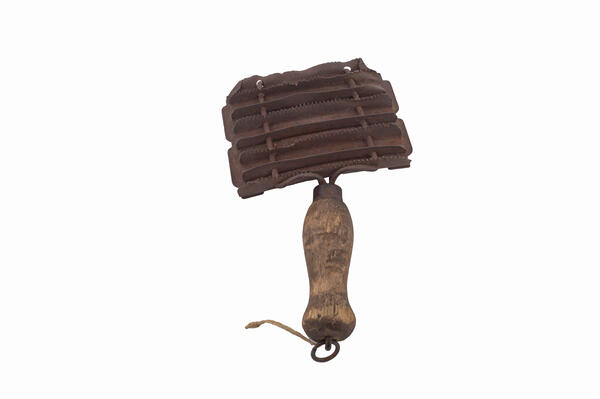
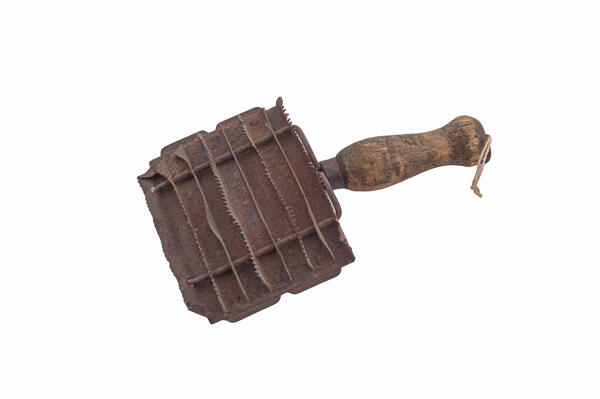
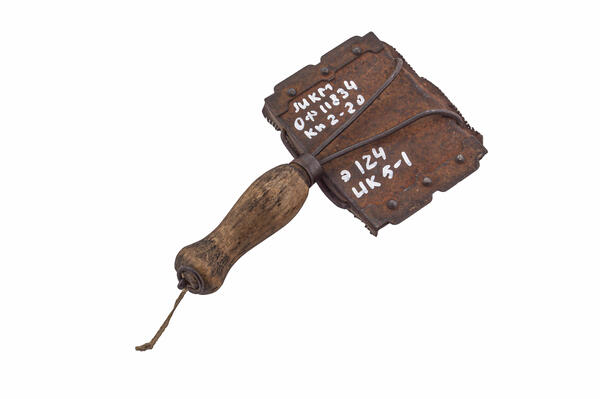
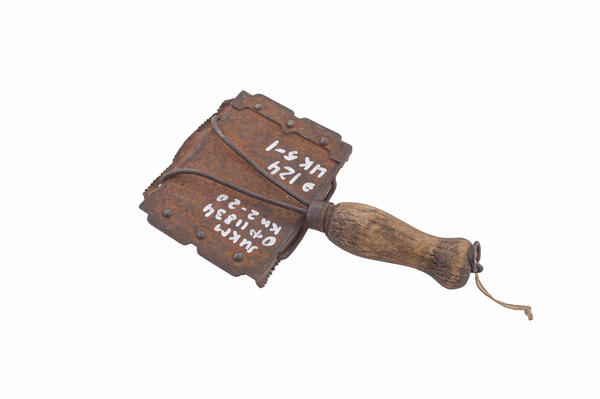
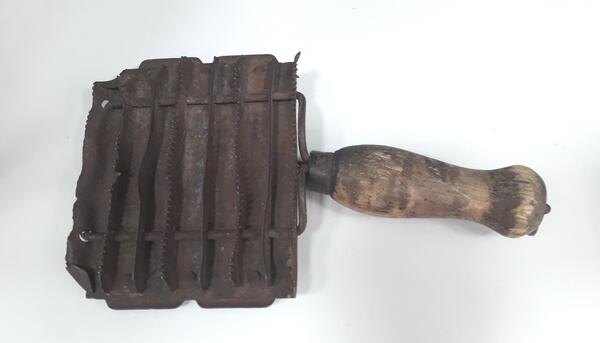
Special brushes and scrapers are used to clean the horse and remove dead hairs, dust and dirt particles.
Grooming starts with the horse’s head, followed by the neck, front legs, shoulders, body, croup, and the hind legs. Regular dirt is removed with a brush. A metal scraper is used to clean the brush and remove dirt from the muscular parts of the body and neck. In addition to its main purpose, it functions as a massage tool. Scrapers come in a variety of shapes; the number and rows of bristles differ as well. The Shors borrowed the practice of using this tool from the Russians.
The mane, which protects the animal’s neck and head
from blood-sucking insects, also requires care. First, groomers comb it with
their hands, removing large particles of detritus and grass, and only then they
begin to brush it with a comb, starting with the ends and only then combing
from the roots.