The University of Königsberg was commonly known as the “Albertina” in honor of its founder, Duke Albert of Prussia. In the mid-19th century, it had four prominent fraternity associations: Germania, Gothia, Teutonia, and Alemannia. Each fraternity had its own colors, and each student’s uniform was complemented by the so-called Albertus — an elegant, gilded badge recognized far beyond Prussia. The badges were worn on the students’ caps and everyday outfits and served to distinguish them from other citizens. These communities were characterized by patriotism, romanticism, and adherence to traditional chivalry and Christian values. The eternal feud between old fraternities developed into a civilized competition. Students expressed their patriotic feelings by contributing to the cultural life of the university and the city. Their main ethical value was friendship without any boundaries and conventions because all Albertina students felt a connection with everyone who studied in its famous halls.
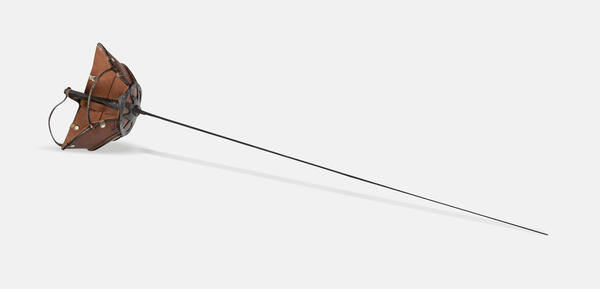
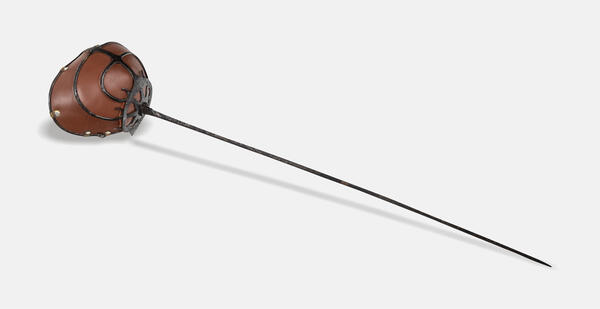
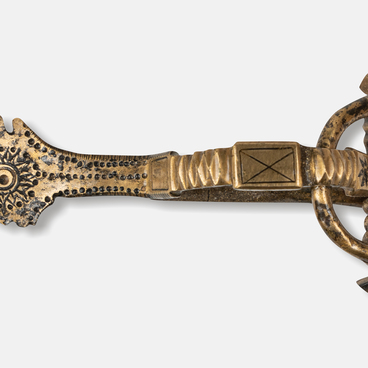
Over time, the student fraternities of the Albertina turned into closed communities with limited access. Its members spent a lot of time together, participating in “beer nights, ” épée fights, poetry recitals, and intellectual debates. Students would often challenge each other to épée fights for whatever reason they had. Such duels were a spectacular integral part of student life, with their own uniforms and rituals.
The student duels should be more accurately described as academic fencing or mensur. The latter term originated from the Latin word mensura meaning “measure” and appeared as early as the 15th century. A mensur bout was arranged not out of hatred or with the purpose of gaining some privilege, but merely as a way to show one’s character, earn respect, and become known as an experienced fencer, ready to fight for the honor of his fraternity. This was not a duel in the traditional sense. There were no winners or losers, mensur was all about the art of fencing and educating character and personality.
The participants stood opposite each other at a
fixed distance that allowed them to exchange attacks without leaving their
positions. In fact, they stood in one place and were forbidden to flinch,
dodge, and leave their spots. The goal was to attempt to hit the opponent’s
face.