

Vyatka educator Kuzma Andreyev was born in the village of Karlygan in the Urzhum Uyezd of the Vyatka Governorate in 1857. Kuzma Andreyev was of Udmurt descent. In 1873, he enrolled in the religious Tatar school. There he learned to write and speak Russian, and understood the basic principles of the Orthodox Christianity. The knowledge gained there allowed him to start educating his fellow villagers. He started with the residents of his own village, and then moved on to other villages beyond it.
With his own money, he bought five copies of the Votsk primer in Kazan and began to teach those who strived to become literate. On October 10, 1883, with the help and support of the director of the Kazan Teachers' Seminary, Nikolay Ilminsky, a private primary missionary school was opened in Karlygan. In 1890, the school was renamed Karlygan Central Votsky School, and Andreyev became its headmaster.
This was a co-ed school. In this school, the students studied the Law of God, church singing, Russian and Slavic literacy, arithmetic, writing, and draftsmanship. Since there were no professional translators into the Udmurt language in the Vyatka Governorate at that time, Andreyev himself was translating the necessary literature.
In the work of Sophia Chicherina ‘Visiting the Volga Foreigners: Travel Notes’, published in St. Petersburg in 1905, Andreyev’s appearance is described: “Kuzma Andreyev is a man of medium height, with a sparse blond beard and light brown hair. The expression on his face - especially his eyes - is unusually kind, enlightened… He spoke slowly and steadily, and with a foreign accent. But there was something deep and soulful in the way he spoke, something that captivated me and left a strong impression on me.”
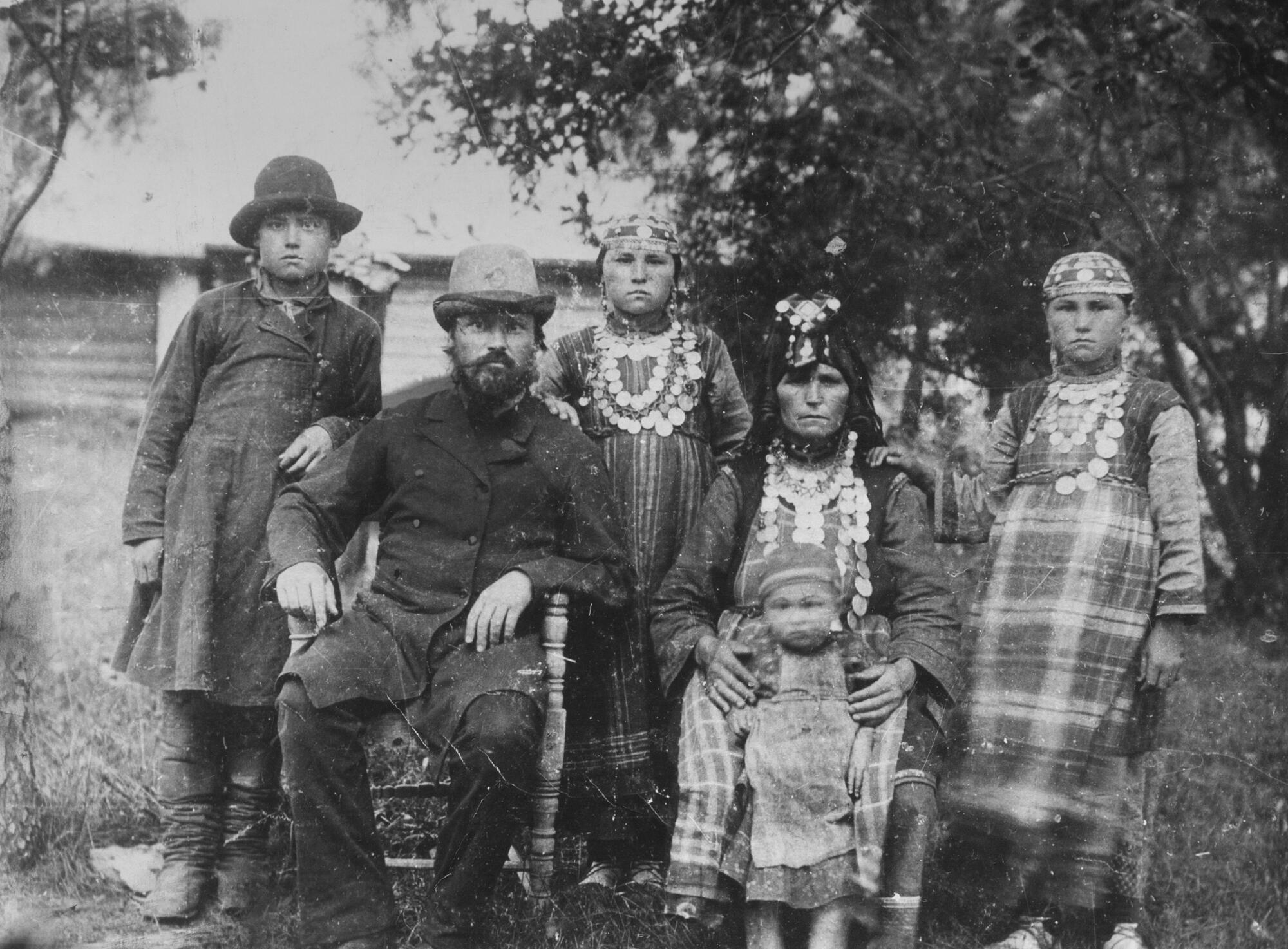
Andreyev was a talented self-taught man from the Vyatka outback, an educator-enthusiast and a person who sincerely loved the Udmurt people. In Sofia Chicherina’s travel notes, there are memories of Kuzma Andreyev’s family. His wife was a simple, kind and loving woman, she was from an illiterate strata, and did not support her husband’s good endeavors.
Even though his wife was formally baptized, she came from a traditional Udmurt family that kept to their pagan traditions. Andreyev’s wife, therefore, protested when he set out to enlighten people.
Kuzma Andreyev is an outstanding and purpose-driven person, a true missionary. His methods of enlightenment were significantly different from those employed by other enlighteners of his time, and his efforts bore fruit. He read all his sermons in the native language of foreigners, in a sedate and unobtrusive manner. He did not criticize the traditional beliefs of the pagans and tried to help them comprehend the basics of the Orthodox Christian faith.
With his own money, he bought five copies of the Votsk primer in Kazan and began to teach those who strived to become literate. On October 10, 1883, with the help and support of the director of the Kazan Teachers' Seminary, Nikolay Ilminsky, a private primary missionary school was opened in Karlygan. In 1890, the school was renamed Karlygan Central Votsky School, and Andreyev became its headmaster.
This was a co-ed school. In this school, the students studied the Law of God, church singing, Russian and Slavic literacy, arithmetic, writing, and draftsmanship. Since there were no professional translators into the Udmurt language in the Vyatka Governorate at that time, Andreyev himself was translating the necessary literature.
In the work of Sophia Chicherina ‘Visiting the Volga Foreigners: Travel Notes’, published in St. Petersburg in 1905, Andreyev’s appearance is described: “Kuzma Andreyev is a man of medium height, with a sparse blond beard and light brown hair. The expression on his face - especially his eyes - is unusually kind, enlightened… He spoke slowly and steadily, and with a foreign accent. But there was something deep and soulful in the way he spoke, something that captivated me and left a strong impression on me.”
Andreyev was a talented self-taught man from the Vyatka outback, an educator-enthusiast and a person who sincerely loved the Udmurt people. In Sofia Chicherina’s travel notes, there are memories of Kuzma Andreyev’s family. His wife was a simple, kind and loving woman, she was from an illiterate strata, and did not support her husband’s good endeavors.
Even though his wife was formally baptized, she came from a traditional Udmurt family that kept to their pagan traditions. Andreyev’s wife, therefore, protested when he set out to enlighten people.
Kuzma Andreyev is an outstanding and purpose-driven person, a true missionary. His methods of enlightenment were significantly different from those employed by other enlighteners of his time, and his efforts bore fruit. He read all his sermons in the native language of foreigners, in a sedate and unobtrusive manner. He did not criticize the traditional beliefs of the pagans and tried to help them comprehend the basics of the Orthodox Christian faith.