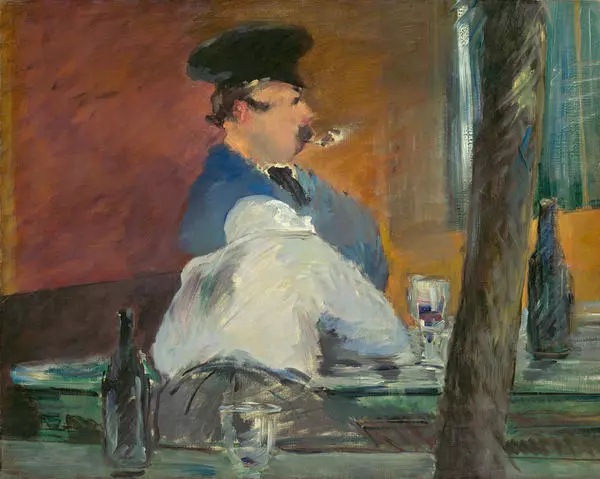
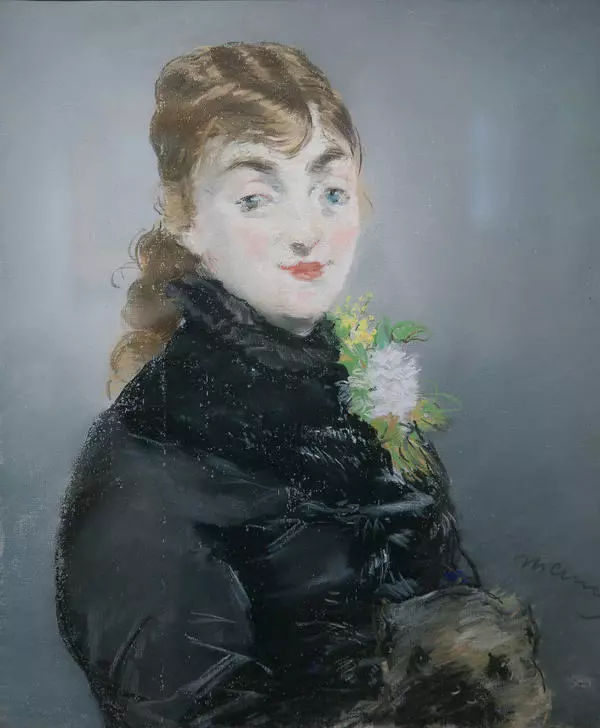
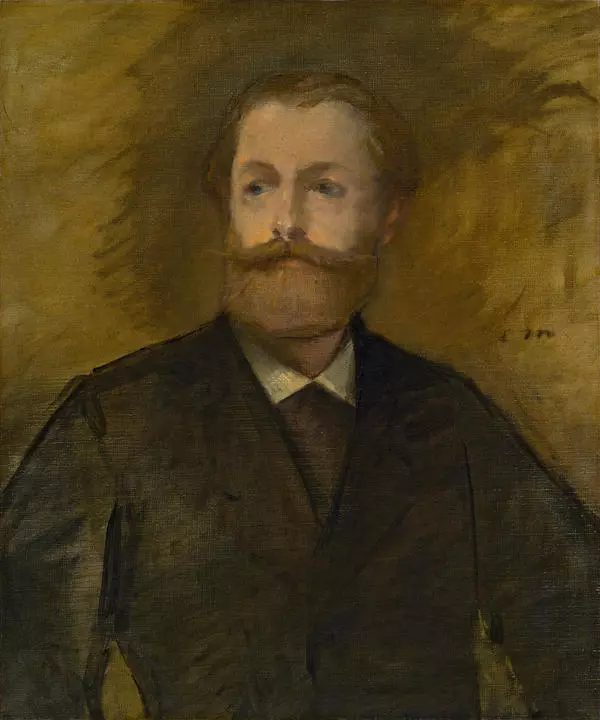
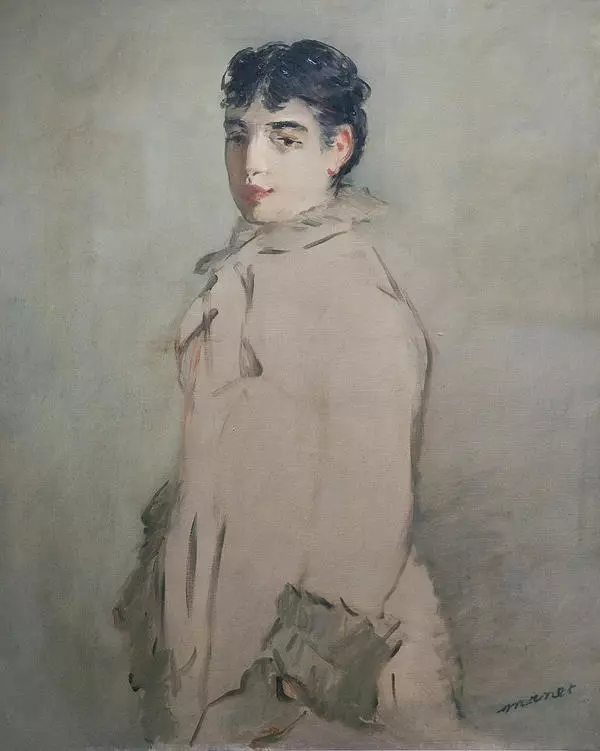
The Irbit State Museum of Fine Art presents a portrait etching of Charles Baudelaire, created by Édouard Manet in 1865. Édouard Manet was a revolutionary figure in 19th-century art, whose bold innovations challenged academic conventions and helped pave the way for modern painting. Rejecting idealized historical and mythological subjects, he developed a distinctive style that fused realism with daring compositional experimentation. Works such as “The Luncheon on the Grass” (1863) and “Olympia” (1863) scandalized the Parisian public and establishment.
Manet was not only a painter but also a master printmaker who contributed greatly to this art form. His etchings — primarily produced in the 1860s — reflect the same modern sensibility and graphic boldness as his canvases. Of particular note are his experiments with aquatint, a printmaking technique that allowed him to achieve subtle tonal gradations. He employed this method in his illustrations for Edgar Allan Poe’s “The Raven” (published in French translation in 1875). Manet often turned to etching to reinterpret his painted compositions.
The friendship between Manet and Baudelaire began in the 1860s, likely through mutual acquaintances. Despite their age difference (Manet was in his late 20s; Baudelaire, nearing 40), they shared an immediate intellectual and aesthetic kinship. Baudelaire was drawn not only to Manet’s artistic passion but also to his refined manners, aristocratic look, and rejection of bohemian slovenliness — qualities that set Manet apart from many of his contemporaries.
Their creative harmony was profound. Many of Manet’s early works resonate with Baudelaire’s call for a “painting of modern life”, which championed the beauty and poetry of contemporary urban experience over idealized tradition. Baudelaire, in turn, recognized Manet’s genius early on, writing: