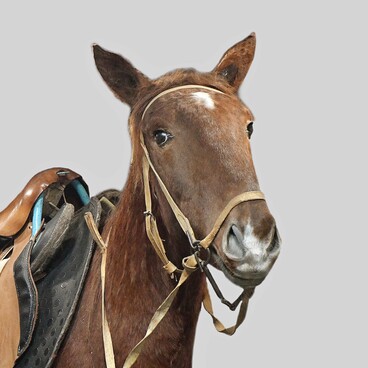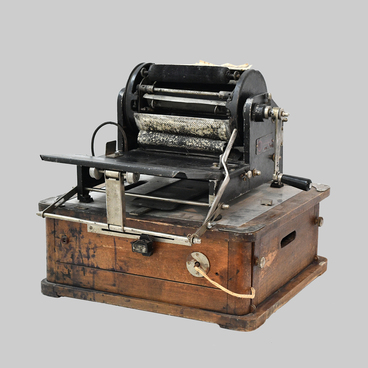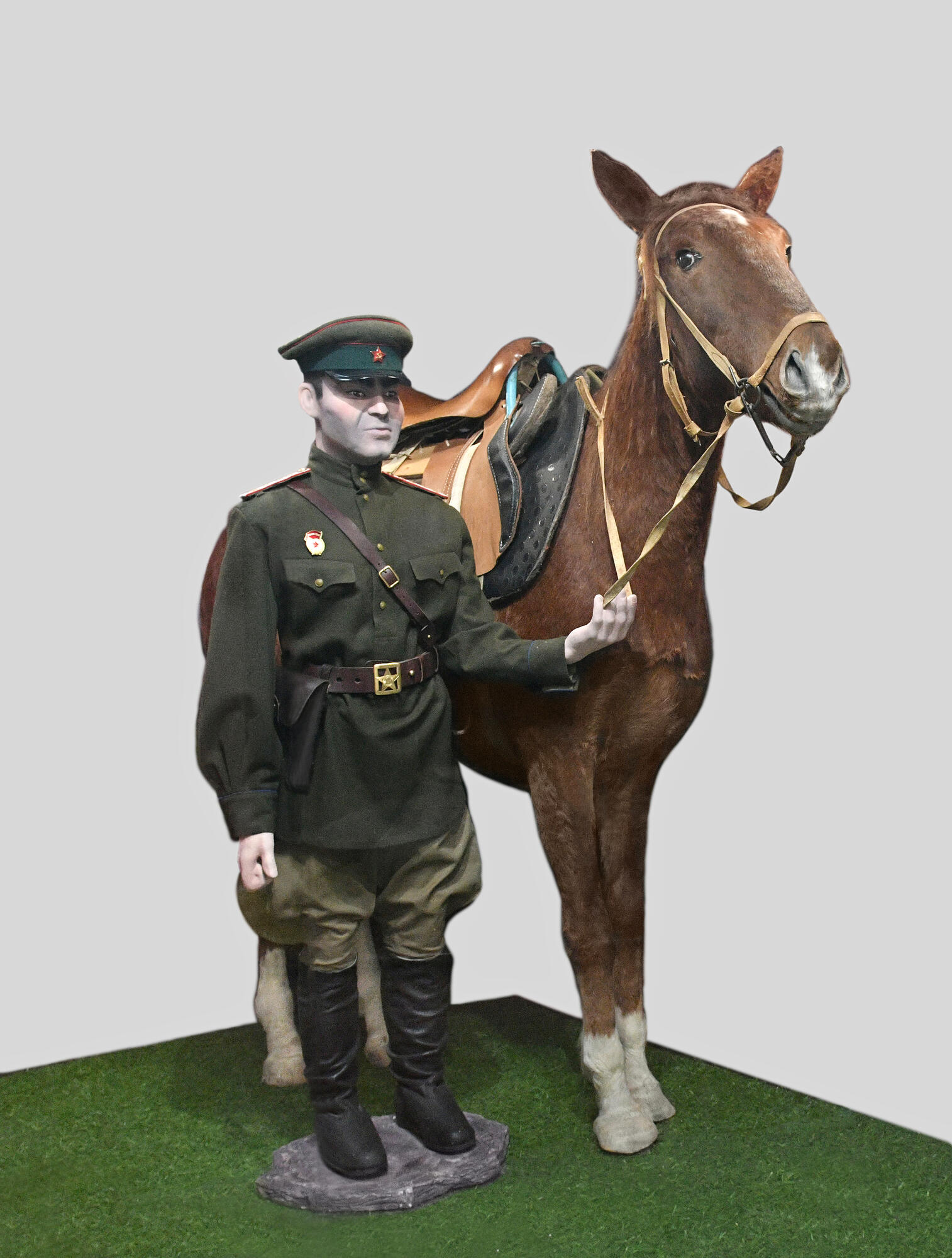


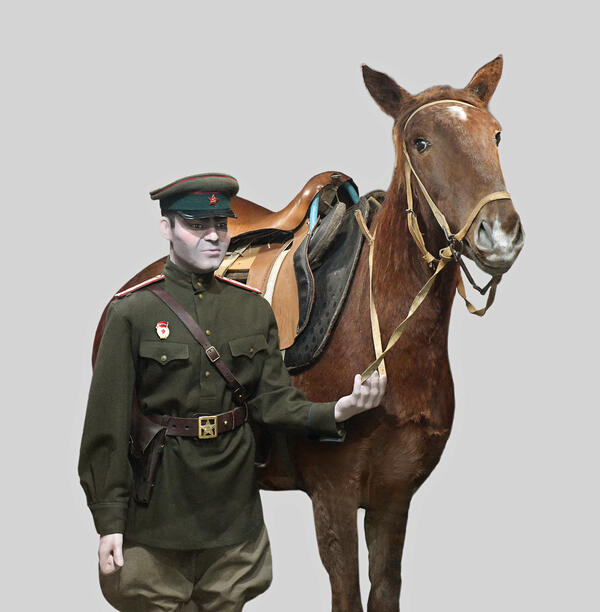
The 379th Veterinary Infirmary was formed as part of the 112th Bashkir Cavalry Division. A military veterinarian of the 3rd rank Sh. A. Akhmadullin was appointed the head of the division’s infirmary, and R.Z. Zinatullin — the commissar.
The main task of the veterinary service was to provide medical aid to the horses of the division and prevent diseases. By the end of the war, 90% of wounded horses recovered and returned to the front due to professionalism of the veterinarians.
Regimental field hospitals of the cavalry had more personnel than the infantry ones. They also had more tools, medicines and dressings. An effective system of treating the injured horses was established. The sick and wounded horses were first admitted to the regimental field hospital, where they received veterinary care. The horses in need of short-term treatment were left to heal, the rest were sent to the division rear area.
After providing aid, the horses were again reallocated. Those who could move freely and recover in 2 to 3 weeks were left to be cared for. And the horses in need of long-term inpatient treatment were sent to army or central infirmaries.
Since the first days of the Great Patriotic War, the military veterinary service was engaged in treatment and prevention of horse diseases. The service also carried out veterinary and sanitary control over the quality of meat and other animal products delivered to the troops.
Veterinarians performed obligatory examinations of all new horses and always tested them for glanders — a grave bacterial disease. Glanders can be fatal to the animal and can also be transmitted to humans. It was prohibited to treat horses diagnosed with glanders — they were euthanized. The captured horses underwent a particularly thorough examination.
The main task of the veterinary service was to provide medical aid to the horses of the division and prevent diseases. By the end of the war, 90% of wounded horses recovered and returned to the front due to professionalism of the veterinarians.
Regimental field hospitals of the cavalry had more personnel than the infantry ones. They also had more tools, medicines and dressings. An effective system of treating the injured horses was established. The sick and wounded horses were first admitted to the regimental field hospital, where they received veterinary care. The horses in need of short-term treatment were left to heal, the rest were sent to the division rear area.
After providing aid, the horses were again reallocated. Those who could move freely and recover in 2 to 3 weeks were left to be cared for. And the horses in need of long-term inpatient treatment were sent to army or central infirmaries.
Since the first days of the Great Patriotic War, the military veterinary service was engaged in treatment and prevention of horse diseases. The service also carried out veterinary and sanitary control over the quality of meat and other animal products delivered to the troops.
Veterinarians performed obligatory examinations of all new horses and always tested them for glanders — a grave bacterial disease. Glanders can be fatal to the animal and can also be transmitted to humans. It was prohibited to treat horses diagnosed with glanders — they were euthanized. The captured horses underwent a particularly thorough examination.