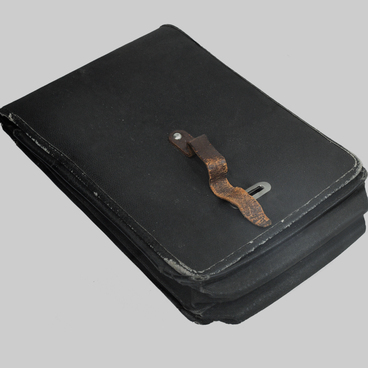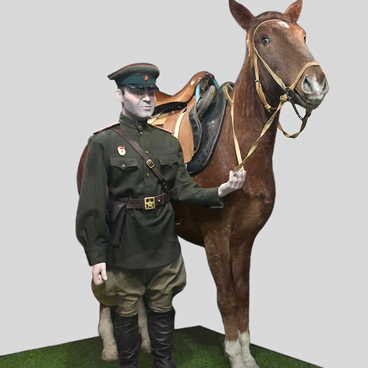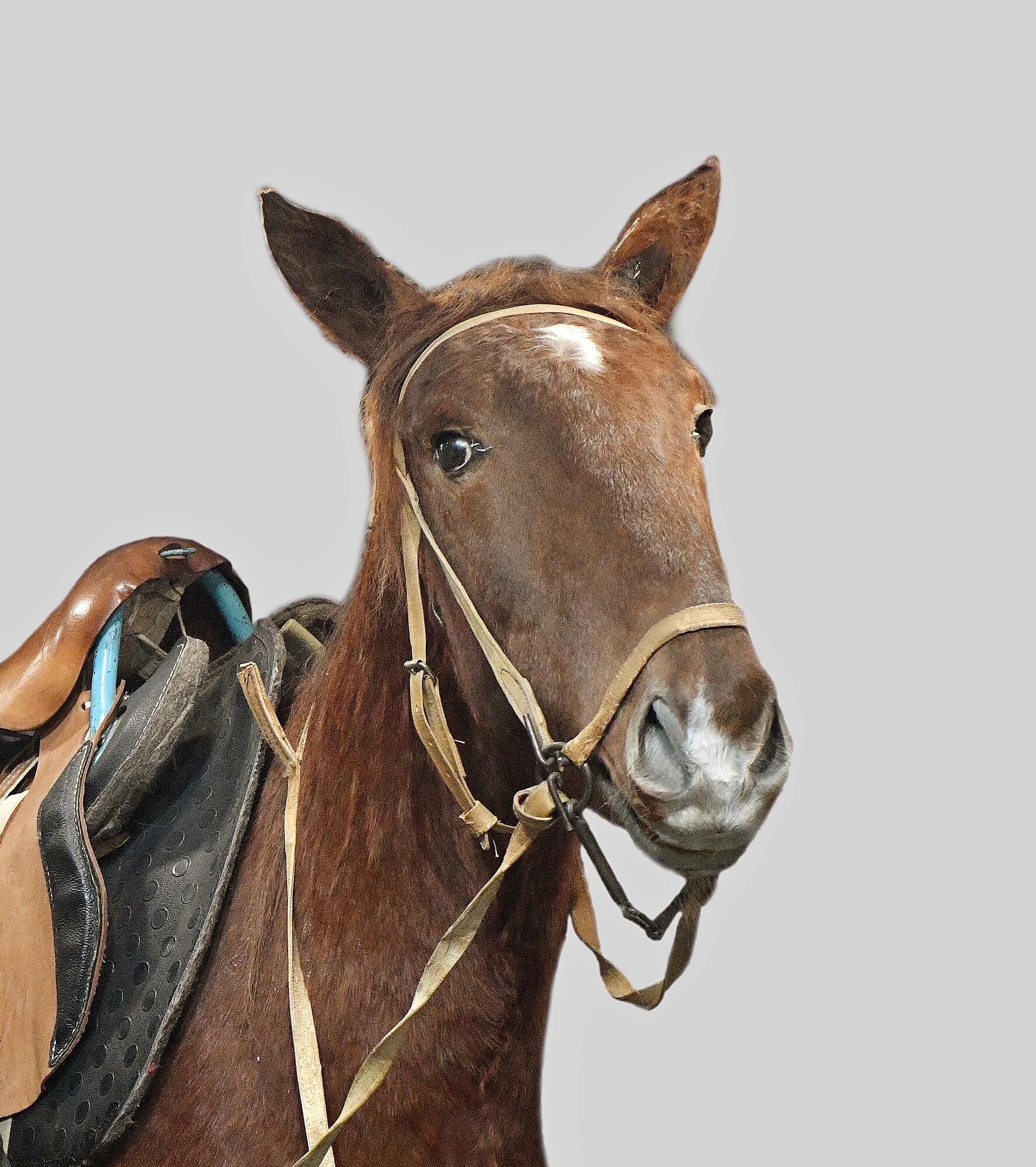


By the beginning of the Great Patriotic War, the horse remained a vital factor in ensuring combat readiness of the Soviet troops. The cavalry war horse was very important, as cavalry units formed the basis of mobile groups. In addition, horses were used to transport artillery, equipment and field kitchens.
During the Great Patriotic War, the number of Soviet cavalry units was dramatically increased: on June 22, 1941, there were 13 cavalry divisions and 116,000 mounted fighters in the Red Army, and by the spring of 1943 there were already 26 cavalry divisions with almost 250,000 soldiers.
However, horses were used not only by the cavalry. For example, according to military rules, each infantry regiment had 350 horses. By June 22, 1941, the Red Army had more than 500,000 horses, and by September 1, there were more than a million.
The Bashkir Republic tried to meet the needs of the formed divisions by supplying them with horses. The national economy system of the Bashkir Republic allocated 13,500 horses with harness to form the 112th and 113th Bashkir Cavalry Division. For the most part, the horses were provided by collective farms.
During the Great Patriotic War, the number of Soviet cavalry units was dramatically increased: on June 22, 1941, there were 13 cavalry divisions and 116,000 mounted fighters in the Red Army, and by the spring of 1943 there were already 26 cavalry divisions with almost 250,000 soldiers.
However, horses were used not only by the cavalry. For example, according to military rules, each infantry regiment had 350 horses. By June 22, 1941, the Red Army had more than 500,000 horses, and by September 1, there were more than a million.
The Bashkir Republic tried to meet the needs of the formed divisions by supplying them with horses. The national economy system of the Bashkir Republic allocated 13,500 horses with harness to form the 112th and 113th Bashkir Cavalry Division. For the most part, the horses were provided by collective farms.