


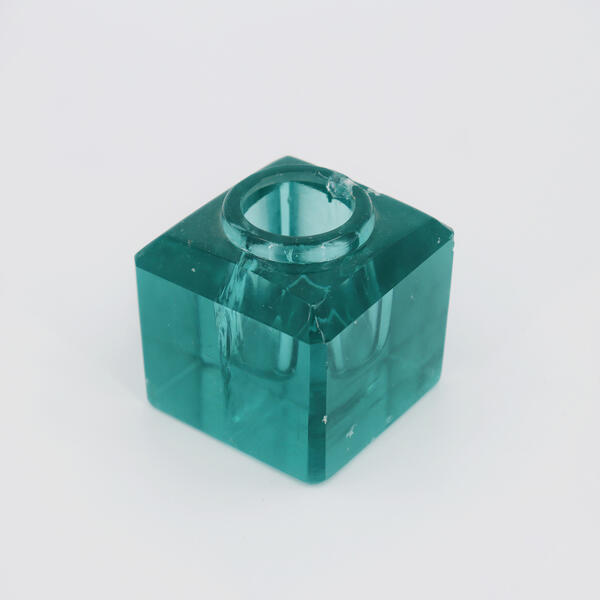
An inkwell is a container for holding ink used for writing. It appeared around the same time as ink, which, according to scientists, was simultaneously invented by the Chinese and Egyptians in the middle of the third millennium BC. The first ink was a mixture of soot, oil and resin, occasionally with camphor and musk for aromatic purposes.
The first inkwells were ceramic. Archaeologists found a clay bowl in the ancient Roman city of Herculaneum, that was buried under ash in the 1st century AD. The bottom of the inkwell preserved a dark-colored residue. Research showed that it was the oldest inkwell that had been storing ancient writing ink for centuries. Over time, people started to make similar containers from metal, horn, leather, and other materials.
Industrial development, as well as traditions of different countries and eras, influenced the way inkwells looked: they had various shapes and sizes and were made from solid materials. Porcelain, metal, stone, amber, glass, wood — all that could be used to produce an inkwell.
Rich people ordered the items made of gold and silver, that were inlaid with precious stones and decorated with painting and enamel. Inkwells often served as gifts for high-ranking people. Those created by Fabergé and De Mailly looked like works of art and were especially valued.
In the 20th century, inkwells became widespread and completely ordinary, their design no longer featured excessive decorative elements. They were manufactured from glass and synthetic plastics, such as bakelite and carbolite. Soviet people preferred spill-proof inkwells, invented by English glassblowers back in the 1700s. The special design helped avoid spills and splashes of caustic ink, which was incredibly difficult to remove from clothes, in case the container was knocked over.
Every Soviet student used an inkwell, as well as a fountain pen. The students sat in pairs, sharing one inkwell placed on a desktop and dipping their pens into it. Spill-proof inkwells were part of the Soviet educational process up until the end of the 1970s when they were superseded by ballpoint pens.
Nowadays, inkwells are used by artists when they work with liquid paints.
The first inkwells were ceramic. Archaeologists found a clay bowl in the ancient Roman city of Herculaneum, that was buried under ash in the 1st century AD. The bottom of the inkwell preserved a dark-colored residue. Research showed that it was the oldest inkwell that had been storing ancient writing ink for centuries. Over time, people started to make similar containers from metal, horn, leather, and other materials.
Industrial development, as well as traditions of different countries and eras, influenced the way inkwells looked: they had various shapes and sizes and were made from solid materials. Porcelain, metal, stone, amber, glass, wood — all that could be used to produce an inkwell.
Rich people ordered the items made of gold and silver, that were inlaid with precious stones and decorated with painting and enamel. Inkwells often served as gifts for high-ranking people. Those created by Fabergé and De Mailly looked like works of art and were especially valued.
In the 20th century, inkwells became widespread and completely ordinary, their design no longer featured excessive decorative elements. They were manufactured from glass and synthetic plastics, such as bakelite and carbolite. Soviet people preferred spill-proof inkwells, invented by English glassblowers back in the 1700s. The special design helped avoid spills and splashes of caustic ink, which was incredibly difficult to remove from clothes, in case the container was knocked over.
Every Soviet student used an inkwell, as well as a fountain pen. The students sat in pairs, sharing one inkwell placed on a desktop and dipping their pens into it. Spill-proof inkwells were part of the Soviet educational process up until the end of the 1970s when they were superseded by ballpoint pens.
Nowadays, inkwells are used by artists when they work with liquid paints.


