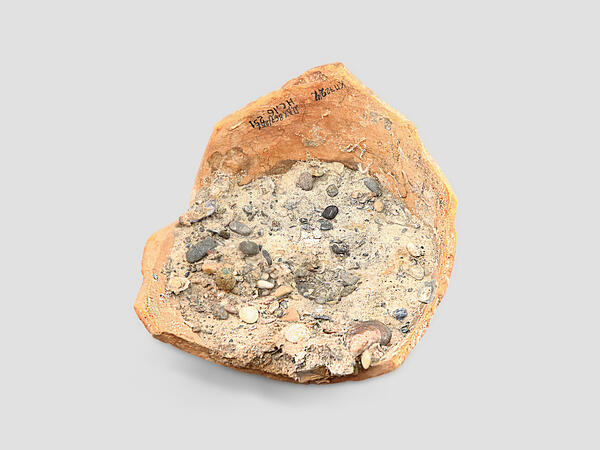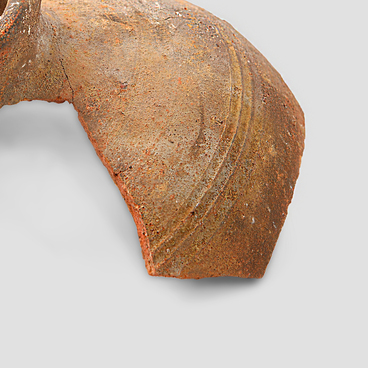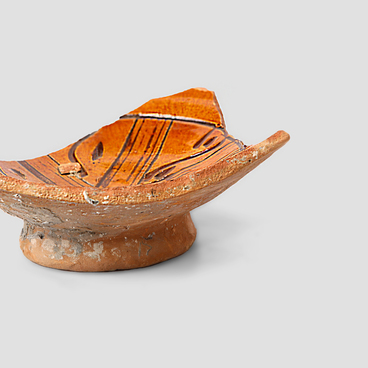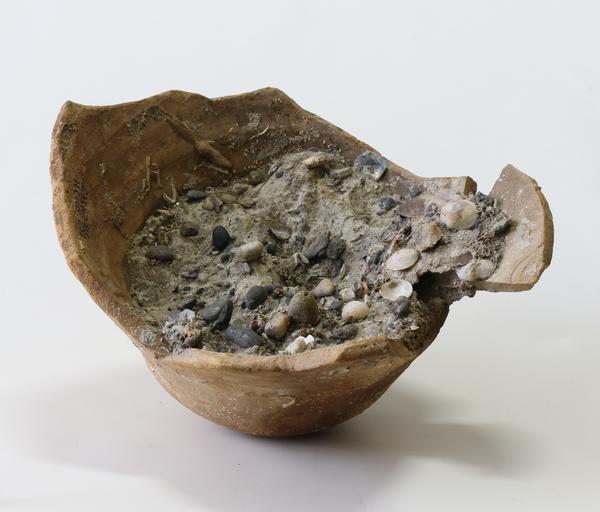
In the late 18th century, discoveries were made accidentally during fishing operations, and from that point scientists took an interest in underwater exploration. It had to be carried out under difficult conditions, such as poor visibility, lack of air and changes of depth, using special devices for erosion and suction of the soil. Soviet underwater archaeology, as well as the broader concept of hydroarchaeology, was founded by the Soviet scientist Ruben Abgarovich Orbeli (1880–1943).
Vyacheslav Nikolayevich Taskayev, a professor, historian and specialist in underwater archaeology, called the Northern Black Sea coast “the cradle of [Soviet] underwater archaeology” and pointed out the importance of studying sunken ships, as every one of them “represented… a complex of historical monuments symbolizing a whole era.”
The 20th-century German journalist and writer Günter Lanitzki noted the invaluable contribution that the amphorae raised from the seabed made “to the expansion of our understanding of ancient navigation and trade relations of <antiquity>.” In particular, the number and volume of ceramic containers can help estimate the tonnage and carrying capacity of the ship, and the stamps can indicate the location of pottery workshops.
Shipwrecks were quite common in antiquity and the Middle Ages. Numerous traces of accidents that have been discovered recently have changed the estimated number of ships and the degree of advancement of navigation in the Black and Mediterranean seas. Prior to the underwater research, these figures were greatly underestimated.
Shipwrecks were caused by many different things, such as storms, collisions with reefs, fires and sea battles. Shipworms, anthozoans and salty seawater would eventually lead to a complete ruin of the sunken ship. Despite the obvious risks, people not only persisted in making trips by sea but often overloaded the holds of the ship. According to the sources, one amphora with 30 liters of wine cost as much as one slave, so merchants could count on a serious profit in case of a successful delivery.