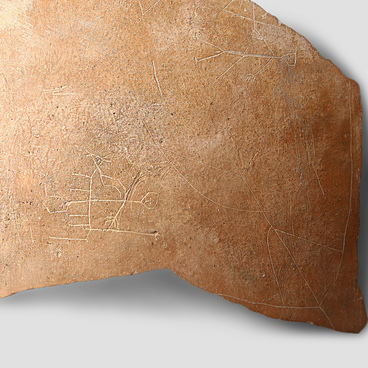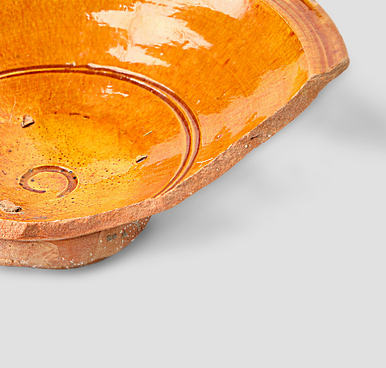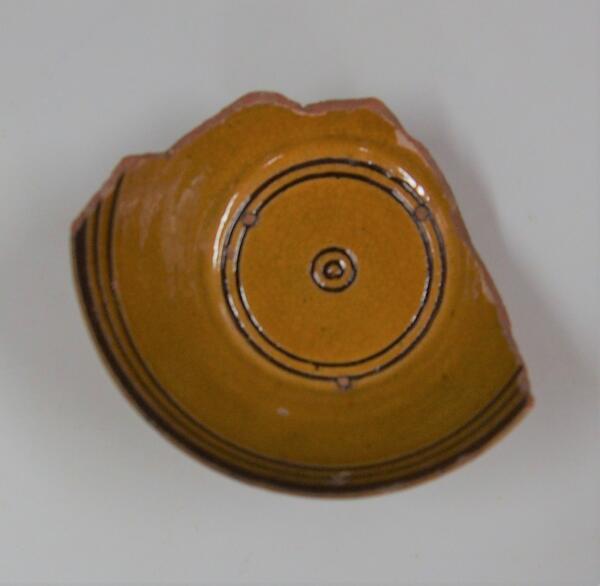
Ceramics became the first artificial material in the world and required a serious approach. The process of creating products from clay includes the sorting of raw materials, as well as mastering molding and firing techniques.
The type and structure of ceramic items indicate the cultural and historical community they came from, demonstrating the relationship and contacts between various cultures.
Systematic research in the water areas of Sudak and Novy Svet Bays has been carried out for decades. The Sudak Fortress scientific collection constantly welcomes new exhibits, raised from the seabed by underwater archaeologists.
In the 1970s–1990s, underwater archaeological expeditions were headed by the archaeologist and authoritative researcher of the Sudak Fortress and settlements on the plateau of Tepsen Mikhail Antonovich Frondzhulo and the antiquity historian and researcher, medievalist and expert in the history of the Crimean Peninsula Igor Avenirovich Baranov. From 1999 to 2013, the exhibits came from the underwater archaeological expedition led by Sergey Musiyevich Zelenko.
Underwater archaeology develops in two main ways. The first one is the study of cities that went underwater by themselves or as a result of catastrophes and everyday life, culture, and traditions of the people who lived there. The second one involves studying sunken ships, their cargo, and the history of navigation.
The detailed study “Historical Stages and Challenges of Underwater Archaeology in South-Eastern Crimea” (Sergey Musiyevich Zelenko, Sergey Alexandrovich Tsarenko, Sergey Vladimirovich Ivanov) provides a good insight into the specifics of this relatively young discipline.
The authors refer to the UNESCO data and point out that “over 2,000 antique and medieval ships were found in the Mediterranean and Black Seas… about 5% of the ships were found at a depth of more than 100 meters.” At the same time, the exact coordinates of the wreck sites either do not exist or are inaccurate.
Given the archaeology of the navigation, the authors specify that “objects of material culture [such as amphorae] from wreck sites… make it possible to study the routes and everyday life of sailors, while the remains of the hull reveal ancient shipbuilding techniques.”