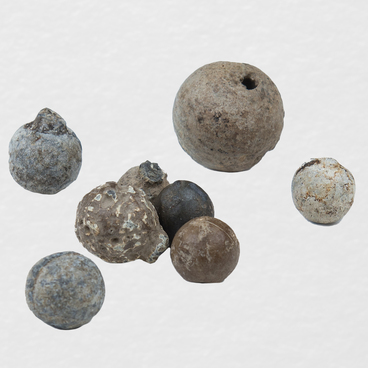


In ancient Russia, coins were placed at the base of an important structure at the beginning of construction. They were placed between the initial rows of stones or under the first wooden beam. It was believed that this would bring wealth to the owner of the house. Both peasants and wealthy landlords tried to use the most valuable coin they had. While wealthy residents could afford a silver or gold ruble, people of modest means put a copper “troyak” (three rubles), a horseshoe or even a ring from a horse harness.
The tradition of placing foundation plaques in the base of a house dates back to the 18th century. It was borrowed from shipbuilding, where such elements were placed in a keel — the lower part of a ship. The plaques were made of silver, copper or brass. They featured a text with information about the date of installment, the builders and benefactors.
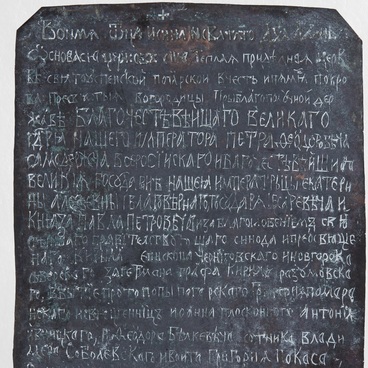
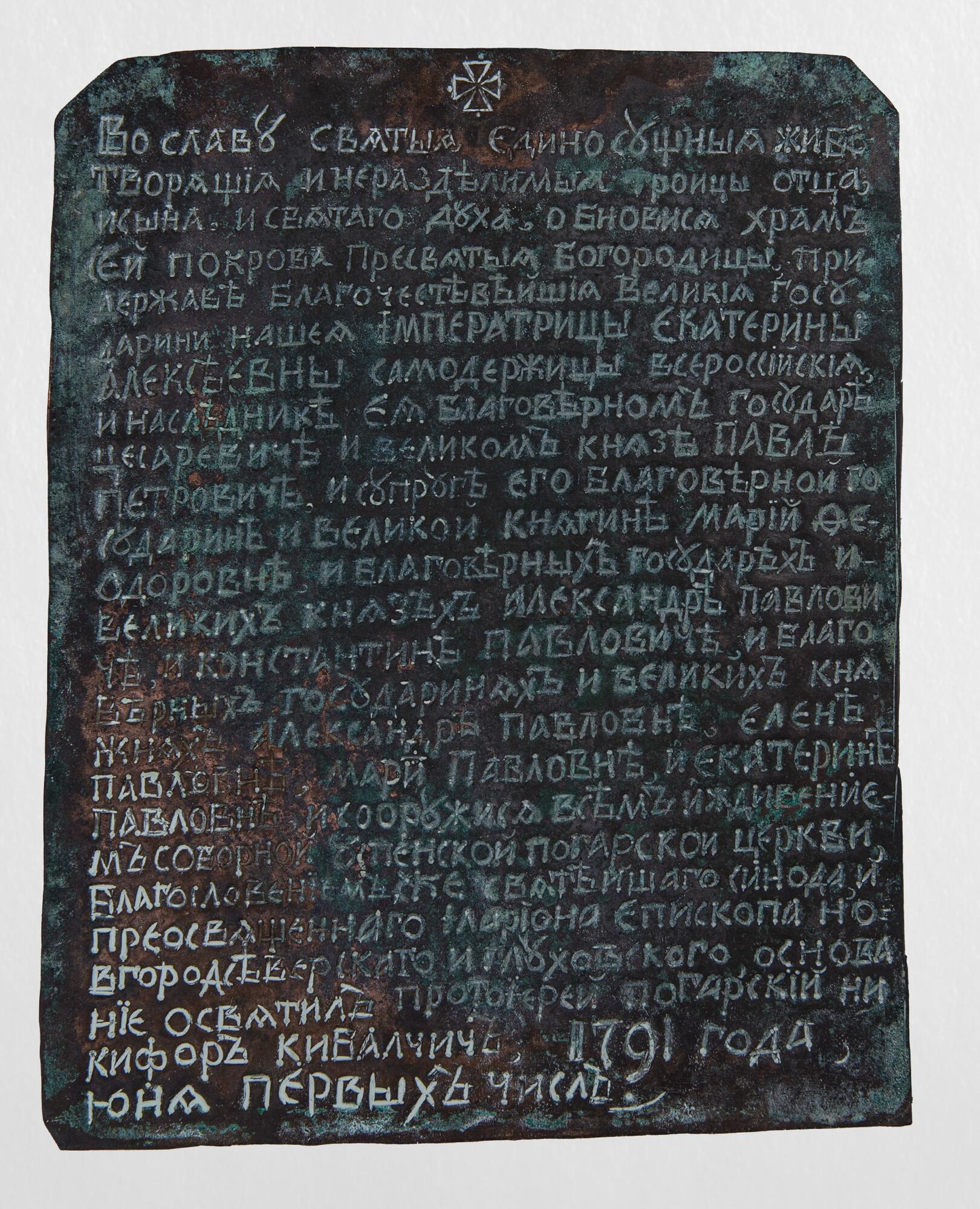
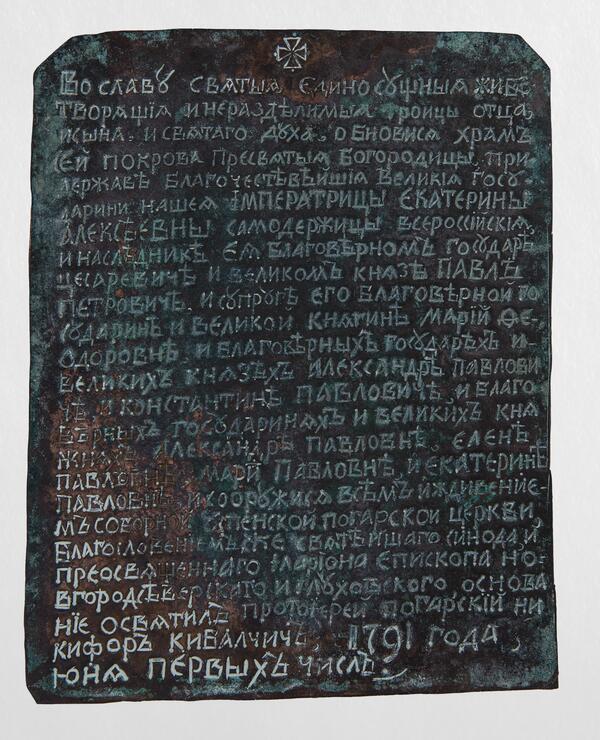
The plaque, housed by the Radogoshch Museum, was found in the 1990s on the site of the Assumption Cathedral, which was destroyed in the mid-20th century. Presumably, it used to be in a special niche of the cornerstone. It was used to replace the older one, dated 1762. The former foundation plaque was dedicated to the construction of a new, warm side-alter in the name of the Intercession of the Theotokos. The heated hall of the church, where services were held in winter, was called warm.
A new plaque was made of copper. The text was inscribed on one side,
The tradition of placing foundation plaques in the base of a house dates back to the 18th century. It was borrowed from shipbuilding, where such elements were placed in a keel — the lower part of a ship. The plaques were made of silver, copper or brass. They featured a text with information about the date of installment, the builders and benefactors.
The plaque, housed by the Radogoshch Museum, was found in the 1990s on the site of the Assumption Cathedral, which was destroyed in the mid-20th century. Presumably, it used to be in a special niche of the cornerstone. It was used to replace the older one, dated 1762. The former foundation plaque was dedicated to the construction of a new, warm side-alter in the name of the Intercession of the Theotokos. The heated hall of the church, where services were held in winter, was called warm.
A new plaque was made of copper. The text was inscribed on one side,