In order to keep their clothes neat and pretty, people have long been using devices for smoothing fabric. They used flat stones, wooden rubels and even iron vessels filled with hot water. However, the iron as it is known today is a fairly recent device.
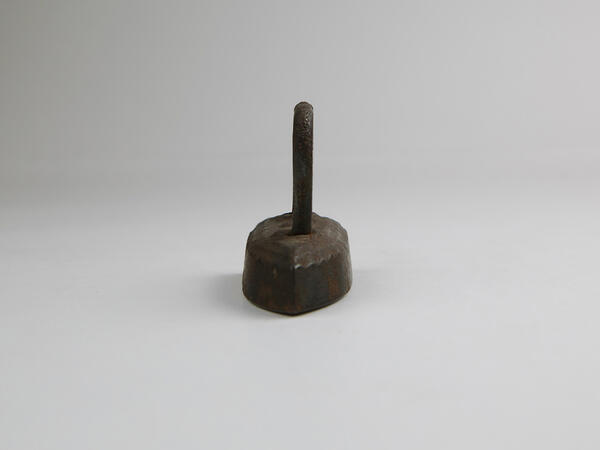
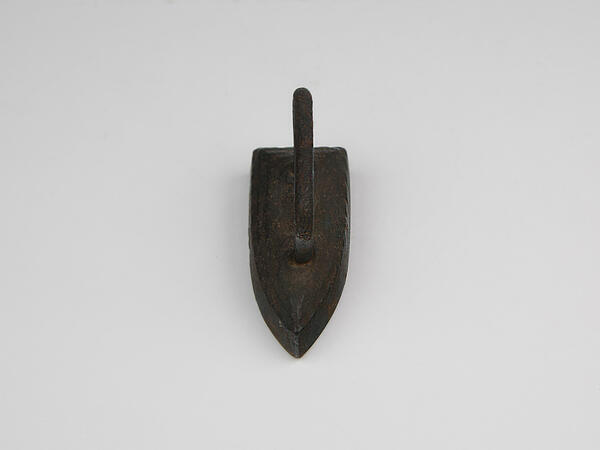
The first mention of an iron in Russian history dates back to the middle of the 17th century, the reign of Tsarina Eudoxia Streshneva, the wife of Mikhail Romanov. The presence of an iron in the house testified to the prosperity of the owners. The first irons were made by casting metal and had many disadvantages: they were very heavy, quick to cool down, and the handle got almost as hot as the iron itself. Charcoal irons that resembled miniature stoves appeared in the middle of the 20th century. They were more expensive and more difficult to manufacture than those cast into a single piece. The coal iron featured a hinged lid and a lock. The iron was heated by putting burning birch charcoal inside. Holes were made to provide air flow from different sides. An iron could also feature a “chimney”, like that of a samovar. To prevent coals from cooling down, the iron was swung from side to side to get air into the holes. The weight of such an iron was no less than that of the ones cast into a single piece, they were not that convenient to use, and, moreover, a coal could fall out of it at any moment and damage clothes. Later, charcoal was substituted by cast-iron blocks that were heated on the stove.
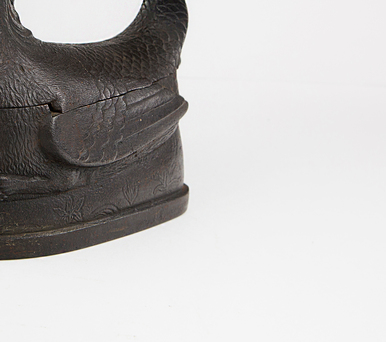
Irons were very often made into works of decorative and applied art by decorating with intricate patterns or giving them bizarre shapes of birds or fish. Diligent housewives passed their old irons onto the next generations. They were often placed on the table next to the samovar, decorating the dwelling, occupying a central place in the house. The presence of such an appliance in the house served as a symbol of wealth and prosperity. Irons of intricate shapes were made for wealthy people and nobles. The body of the iron was inlaid with copper, and in special cases — silver. The wooden handles were made to be smooth or curved on a lathe. Despite the popularity of charcoal irons, cast irons have not gone out of use. They were made small — no larger than a person’s hand — and used for removing creases from small elements of clothing like lace, folds and ruffles.