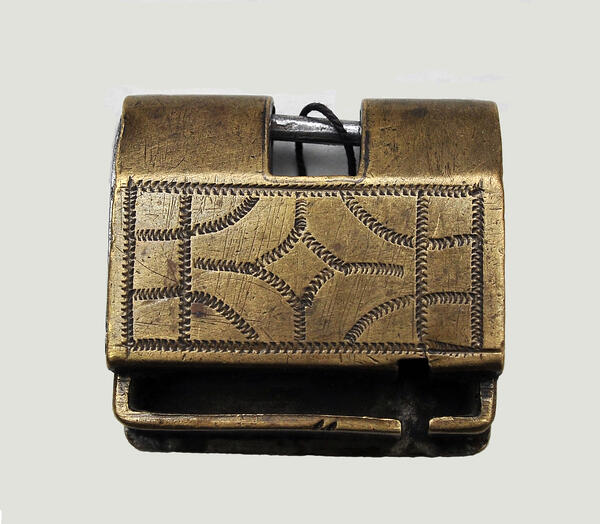
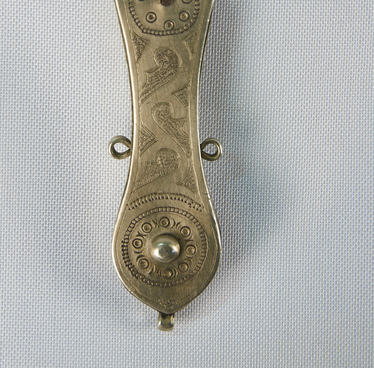
In the past, Tuvan padlocks were common everywhere on the territory of Tuva. They were different in size, material and decoration and were bought from Chinese merchants or commissioned from Tuvan blacksmiths, “dargans”.
Padlocks were used to fasten “aptara” chests, which were the basic furniture of nomadic dwellings. These chests were used to store the family’s wealth: silver, jewelry, amulets, festive clothes, fabrics, cushions with baby’s umbilical cord, sacred books, and Buddhist objects. The chests were locked and the keys were placed either under the “shirtek” felt mat or hung on the “khana” wall next to the horse harness.
There was no need to hide the keys carefully — there was no theft at that time. However, having a padlock meant a strict prohibition: children, teenagers and other family members, except the owners, were forbidden to open the chest and use the items it contained.
For example, Emma Eres-oolovna Oorzhak (born in 1965) recalled that she saw three shamanic amulet dolls embroidered by hand in her yurt as a child. The matter was that her grandparents’ first three children died in infancy, and after the shamanic ritual of making amulets, a healthy girl was born to them. Since then, these dolls were very carefully preserved by the grandparents in the chest.
Buddhist objects, which were forbidden at the time, were also kept locked away to be taken out only when a lama came to hold nightly prayers.
Elizaveta Nogai-oolovna Dongak (born in 1951) recalled that her mother kept her coral jewelry in the chest, while her father kept his fuse caps there because some hunting items were expensive at the time and required careful storage. It was also where the family kept mother-of-pearl “tana” buttons, the powder of which was used to treat eye diseases.
Besides chests, the door of the yurt was locked and the keys were placed under the felt of the roof. In the middle of the 20th century, large Tuvan padlocks closed stores, warehouses, and bakeries.
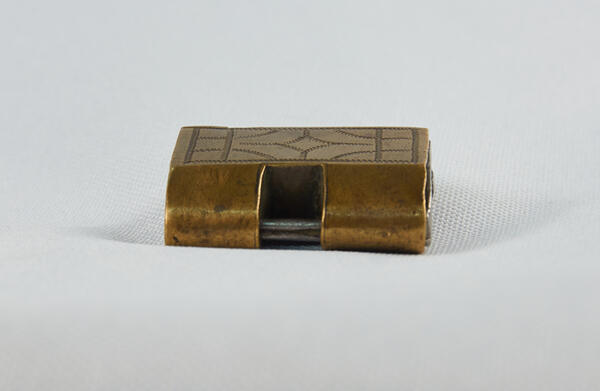
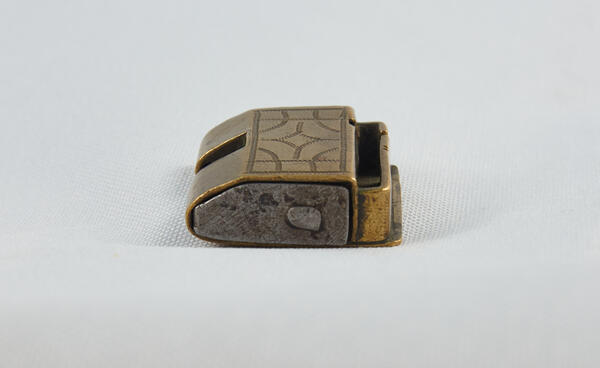
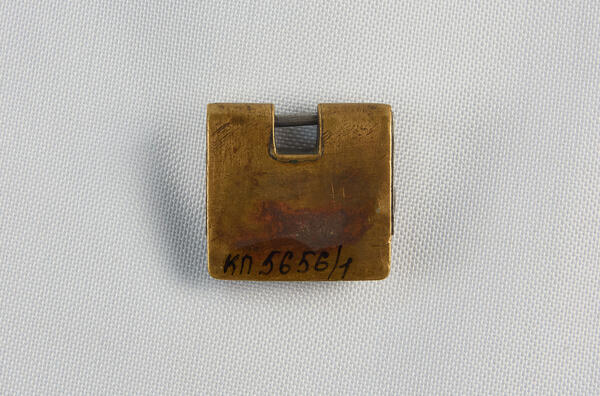
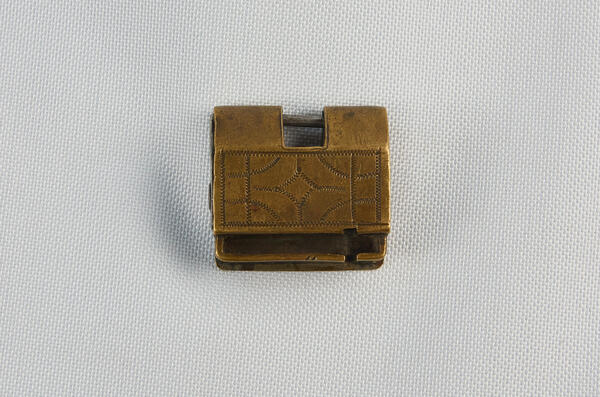
The National Museum of the Republic of Tuva presents a padlock for a chest. The padlock has the form of a flat rectangular box, in the middle of the top there is a notch for the hinge of the chest.