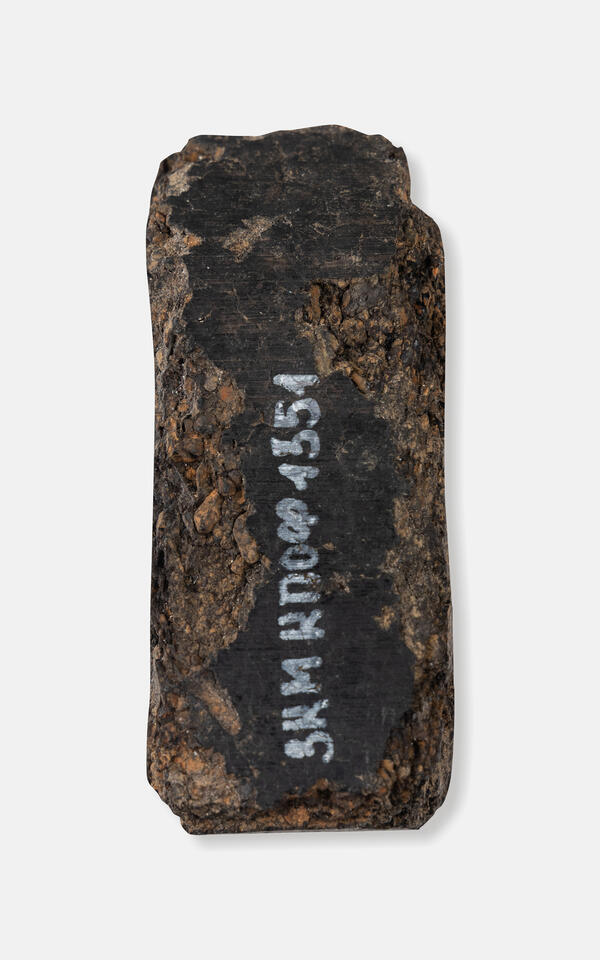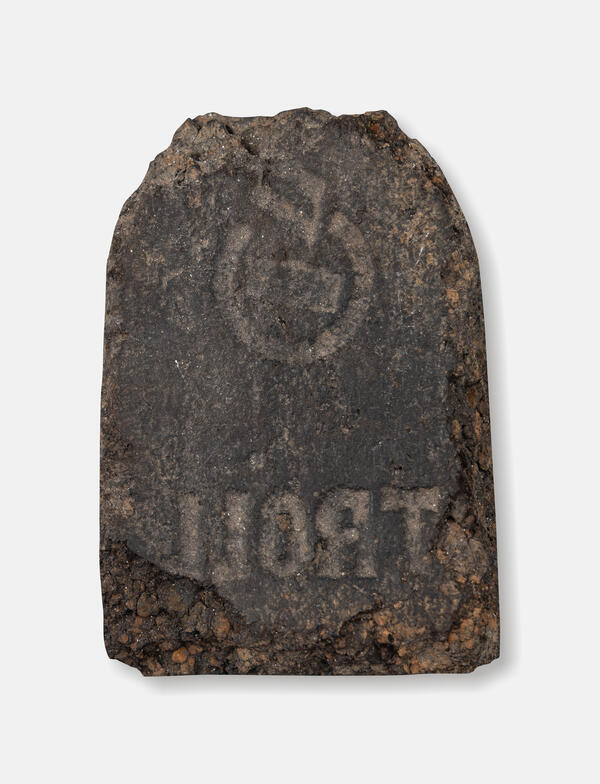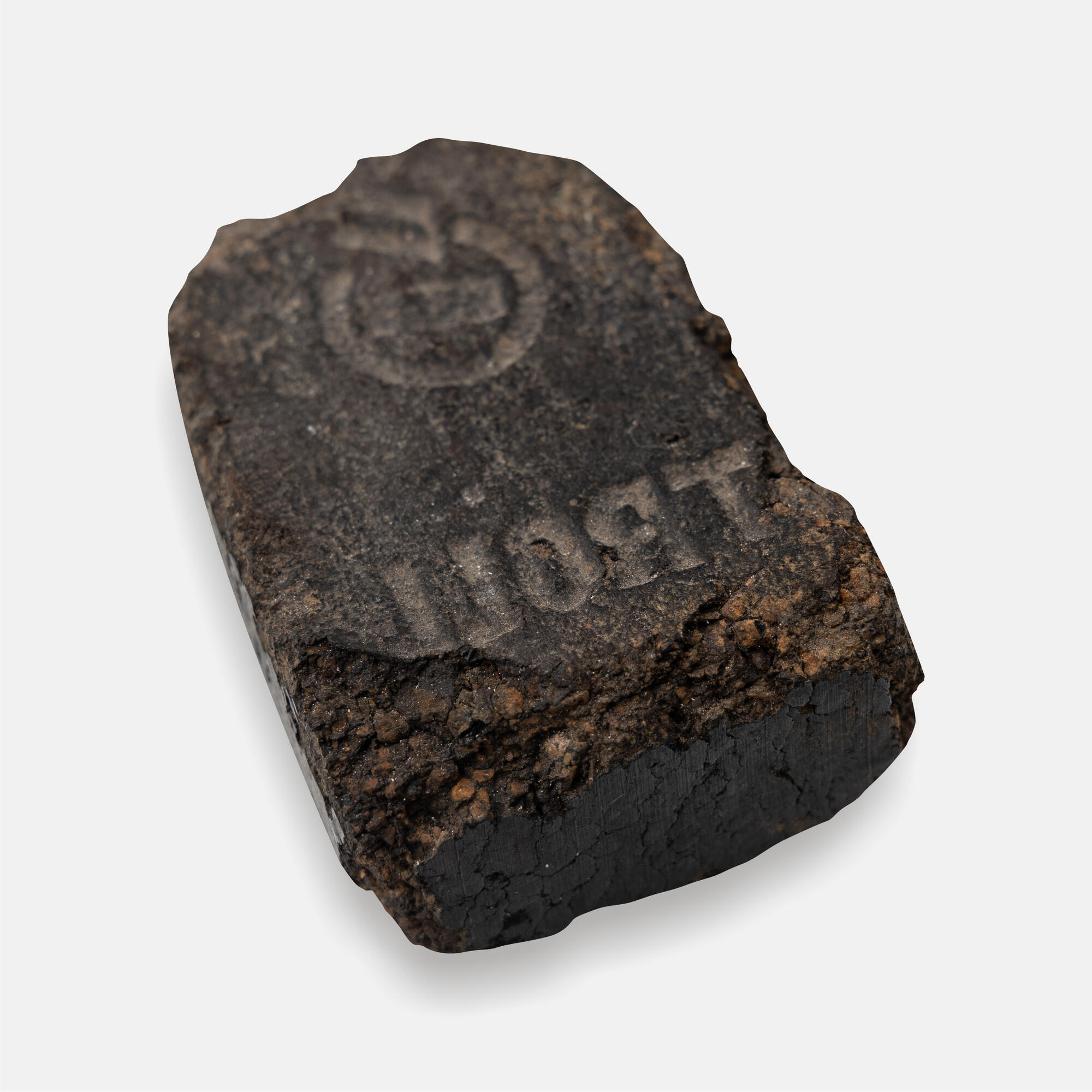


Peat is a material formed by the partially decayed vegetation in wet, anaerobic conditions. The type of peat varies depending on the depth and processing methods. The high moor peat is only slightly decomposed, it is very acidic, and has a high calorific value and a high water retention capacity. Such peat was not crushed but instead used in the shape of chopped blocks. The low moor peat occurs in the densest layers with a high content of organic matter and is very useful for soil. Peat has many useful properties for humans and can be used for many different purposes.
Peat is a flammable substance, and this property often came useful in the past. Even today, peat lumps still serve as fuel. Peat is also actively used in agriculture. It provides nutrients, makes the soil friable, and ensures access to oxygen and water for plant roots. Peat retains toxic pollutants and cleans the soil. It is an efficient fertilizer rich in nitrogen compounds. Peat is important for livestock farming: it retains heat, absorbs moisture, and can be used as bedding for cattle. Moreover, peat serves as a raw material for a product that prevents the spread of infections. The use of peat-based supplements has a positive effect on the health of livestock, contributes to growth, and prevents respiratory infections. In the construction industry, peat serves as the material for heat-insulating boards and water pipe insulation. Peat is used in whisky making: the most popular way of drying malted barley is based on using peat fires. Peat pulp baths are recommended for treating certain diseases. Peat is also used in the production of a number of medicines. It is an excellent filter that captures toxic substances and purifies water and air. It is often used in filters and for cleaning up man-made pollution.
Inhabitants of East Prussia discovered useful
applications of peat long ago. The people who lived on the coast of the
Curonian Lagoon used the “gold of wetlands” for their needs. Peat bricks were
mainly used as fuel and fertilizer. However, they also served as a construction
material that made the structure lighter and kept it warm. The bricks from the
museum’s collection were produced from pressed peat and were used to heat
stoves in East Prussian houses.