

#1
Arrows, bullets, gun flints, ramrod
#29
#2
#9
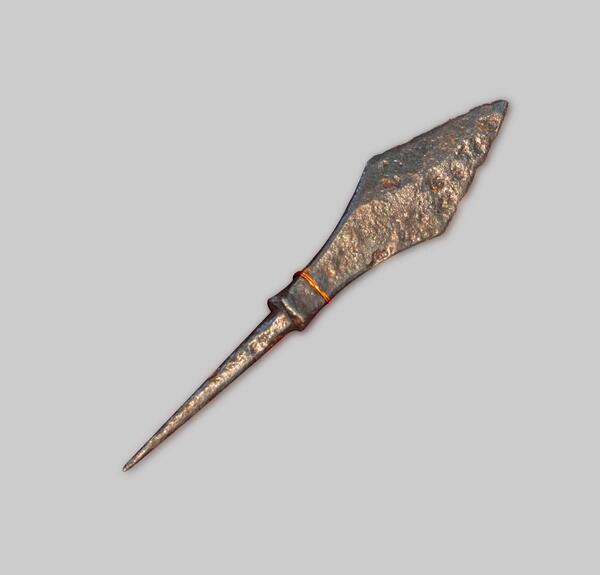
The museum collection contains Russian iron combat arrowheads They are likely to have been manufactured by local craftsmen. All of them are tanged arrowheads, with diamond-shaped tip. Metallographic analysis of various arrowheads from Kuznetsk ostrog collection showed that the focus while fabricating those was not on the process parameters but on the shape as it determined the ballistic properties, penetration and casualty action of the arrow.
It was not rare that poor quality metal was used for fabrication of arrows – whole iron or low-carbon steel, or bloomery iron could also be used as feedstock. Arrows were also made of massive metal with double-face hardening.
The time required for reloading the rifle was sufficient for a nomad to discharge up to 50 aimed arrows and to ride away to be out of reach. This is why the efficiency of archery was much higher than that of the firearms. Besides, the flight-shot and target accuracy of the arrow was much higher than that of the rifle bullet. In order to increase the damage caused by the firearms, wooden walls and towers were built in ostrOgs.
Arrows could be shot from a traditional battle bow to various distances. The arrow flight distance, firing accuracy and density of hits depended on several factors simultaneously: weather conditions, the bow design and the draw weight. The stronger the archer pulled the bowstring, the longer was the distance of the arrow flight. The flexibility of the bow and the elasticity of the bowstring could also have a significant impact on the distance and accuracy of shots.
Currently, a compound bow is widely used in sports and hunting - it is a descendant of that weapon. Its advantage is that no significant efforts should be exerted to shoot quickly.
The number of types and sub-types of contemporary traditional bows is great but first of all they are divided into simple and compound ones. A simple universal bow is sometimes called longbow. The principal material for the arc of such weapon is wood. Its length does not exceed two meters and the arrowheads are well sharpened. A compound bow can be fabricated of several types of materials – wood, bone plates, leather.
It was not rare that poor quality metal was used for fabrication of arrows – whole iron or low-carbon steel, or bloomery iron could also be used as feedstock. Arrows were also made of massive metal with double-face hardening.
The time required for reloading the rifle was sufficient for a nomad to discharge up to 50 aimed arrows and to ride away to be out of reach. This is why the efficiency of archery was much higher than that of the firearms. Besides, the flight-shot and target accuracy of the arrow was much higher than that of the rifle bullet. In order to increase the damage caused by the firearms, wooden walls and towers were built in ostrOgs.
Arrows could be shot from a traditional battle bow to various distances. The arrow flight distance, firing accuracy and density of hits depended on several factors simultaneously: weather conditions, the bow design and the draw weight. The stronger the archer pulled the bowstring, the longer was the distance of the arrow flight. The flexibility of the bow and the elasticity of the bowstring could also have a significant impact on the distance and accuracy of shots.
Currently, a compound bow is widely used in sports and hunting - it is a descendant of that weapon. Its advantage is that no significant efforts should be exerted to shoot quickly.
The number of types and sub-types of contemporary traditional bows is great but first of all they are divided into simple and compound ones. A simple universal bow is sometimes called longbow. The principal material for the arc of such weapon is wood. Its length does not exceed two meters and the arrowheads are well sharpened. A compound bow can be fabricated of several types of materials – wood, bone plates, leather.
#10
Full name Weapons of Kuznetsk ostrog. Arrowheads
Date XVII century
Place Russia
Technique forging
Dimensions Length-10.3 cm, width-1.9 cm
Collection XVII – XVIII cent. Kuznetsk ostrOg – the town of Kuznetsk. Excavations of various ears
Copyright Kuznetsk fortress
Restorers Scheglakov A.P.
Date XVII century
Place Russia
Technique forging
Dimensions Length-10.3 cm, width-1.9 cm
Collection XVII – XVIII cent. Kuznetsk ostrOg – the town of Kuznetsk. Excavations of various ears
Copyright Kuznetsk fortress
Restorers Scheglakov A.P.
#28
Bullet
#3
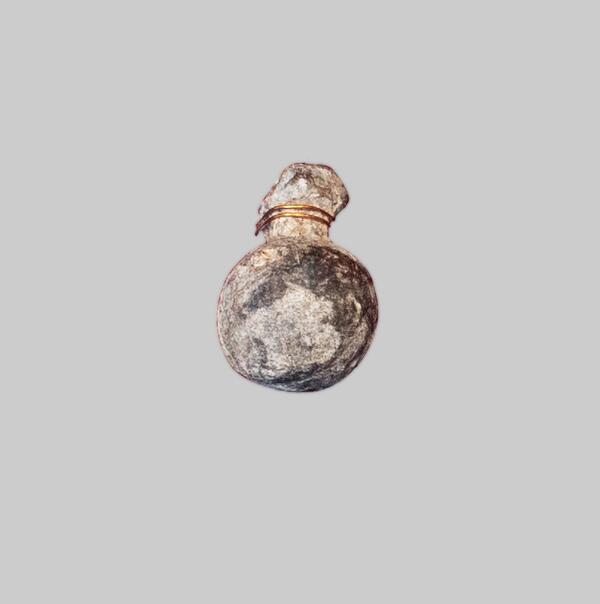
#11
The bullet from the museum collection was found in excavations of Kuznetsk ostrog. It is designed for firing from a hand arquebuse – a hand flint-lock firearms. Service class people manufactured such bullets in special bullet molds. The bullets were made of the lead issued to them to do their military service.
Lead is a cheap easily melted material resistant to humidity fluctuations. That is why it has been used for casting bullets and shells since ancient times.
The firearms that entered service with the European armies in XIV century changed the battle tactics dramatically. Metal munitions were made primarily from lead as the material was very common, accessible and easily melted. As compared to iron, it was easier to give a ball shape to lead, and when striking the target the bullet lost its shape thus increasing the stopping power. Besides, despite the relatively small size, the lead bullets were sufficiently heavy and strong.
Several different techniques were applied to casting lead bullets in the Russian state of XVI–XVIII centuries. The principal method of giving the necessary ball-shape to the bullet was casting in bullet molds (‘pulelEika’). The melted lead was poured into a special form of the size matching the barrel size. Strict watch was kept for the bullet molds to maintain them dry, otherwise the melted lead could sprinkle as hot oil on the pan.
Several first batches heated the form to a set temperature, the lead used for that purpose was then remelted. The cast bullets were put on a felt or woolen cloth. After that, the sprue, or ‘tail’ remaining on the bullet surface was cut away.
The second method involved pouring melted lead into water or oil, through a sieve, instead of casting it in special molds. The sieve meshes shaped the bullets of the required size, in the flight the lead acquired the ball shape and cooled in the liquid.
That method was primarily used for manufacturing bird shot, but the archaeological discoveries allow to state that it was also used for bullets fabrication.
For commercial manufacturing of bullets, special high shot towers were built. In handicraft workshops the lead was poured into a specially dug well or into a barrel filled in with liquid, or the melted metal was poured through a sieve over an inclined surface covered by a fabric. The disadvantage of such method was that if the time was not enough for the metal to get cool during the flight, the bullet or the bird shot came out uneven and resembled an ordinary non-processed piece of lead.
Lead is a cheap easily melted material resistant to humidity fluctuations. That is why it has been used for casting bullets and shells since ancient times.
The firearms that entered service with the European armies in XIV century changed the battle tactics dramatically. Metal munitions were made primarily from lead as the material was very common, accessible and easily melted. As compared to iron, it was easier to give a ball shape to lead, and when striking the target the bullet lost its shape thus increasing the stopping power. Besides, despite the relatively small size, the lead bullets were sufficiently heavy and strong.
Several different techniques were applied to casting lead bullets in the Russian state of XVI–XVIII centuries. The principal method of giving the necessary ball-shape to the bullet was casting in bullet molds (‘pulelEika’). The melted lead was poured into a special form of the size matching the barrel size. Strict watch was kept for the bullet molds to maintain them dry, otherwise the melted lead could sprinkle as hot oil on the pan.
Several first batches heated the form to a set temperature, the lead used for that purpose was then remelted. The cast bullets were put on a felt or woolen cloth. After that, the sprue, or ‘tail’ remaining on the bullet surface was cut away.
The second method involved pouring melted lead into water or oil, through a sieve, instead of casting it in special molds. The sieve meshes shaped the bullets of the required size, in the flight the lead acquired the ball shape and cooled in the liquid.
That method was primarily used for manufacturing bird shot, but the archaeological discoveries allow to state that it was also used for bullets fabrication.
For commercial manufacturing of bullets, special high shot towers were built. In handicraft workshops the lead was poured into a specially dug well or into a barrel filled in with liquid, or the melted metal was poured through a sieve over an inclined surface covered by a fabric. The disadvantage of such method was that if the time was not enough for the metal to get cool during the flight, the bullet or the bird shot came out uneven and resembled an ordinary non-processed piece of lead.
#12
Full name Lead bullet
Date XVII century
Place Russia
Technique foundry
Dimensions 1,6×1,1 cm
Collection Kuznetsk ostrog. XVII – XVIII century
Copyright Kuznetsk fortress
Goskatalog Number 6539762
Date XVII century
Place Russia
Technique foundry
Dimensions 1,6×1,1 cm
Collection Kuznetsk ostrog. XVII – XVIII century
Copyright Kuznetsk fortress
Goskatalog Number 6539762
#27
Bullet
#4
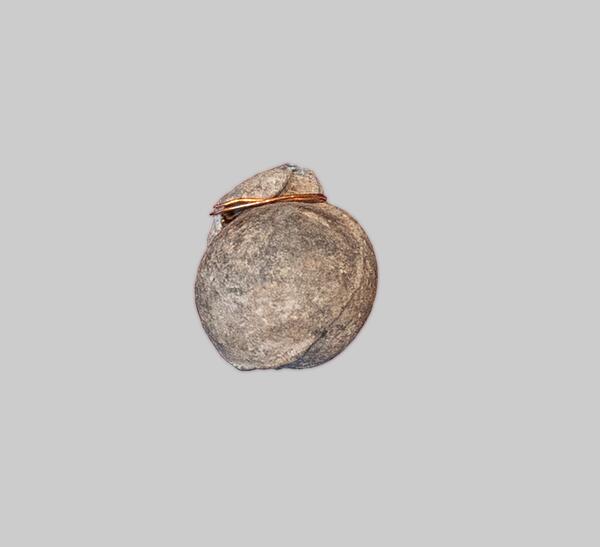
#13
Out-of-shape roundish lead bullet with a remaining sprue was found during the excavation in Kuznetsk ostrOg. The bullet has a minor defect – its hemispheres were shifted a little relative to one another while casting. Such bullets were most often designed for firing from arquebuses.
An arquebuse is a muzzle-loaded flintlock gun. The first metal bullets were not always strictly ball-shaped, and their size could be smaller than the weapon caliber. It was deemed a permissible error. However, with the development of engineering and discoveries in the area of ballistics the quality of bullet manufacturing gradually improved.
Lead-cast bullets turned to be most efficient shells due to the specific weight of the metal. It was easier to give a ball shape to a lead bullet than to an iron one, besides, the lead bullets were heavy despite their small size. The bullets were cast by the weapon owners themselves, in special appliances – bullet molds (‘puleEika’). After casting the bullet there remained a sprue (‘tail’) on its surface.
There were two ways to fabricate ball-shaped lead bullets. The first method was to pour the melted lead into a special form of the size matching the barrel size. For a quality casting the form needed to be heated to a certain temperature, so the first batches of bullets that heated the form were taken out and then remelted, applying the adequate technology. The ready bullets were put on special woven felt for cooling, and then the sprue was cut.
In the second case the melted lead was poured into water or oil, through a sieve. The sieve meshes shaped the bullets of the required size while the water or oil cooled the lead to the necessary temperature.
Lead is one of the most common metals, it has been known since ancient times. Most widely industrially used alloy is that of lead and tin. The alloy of one part of lead and two parts of tin was used to connect the pipelines and electric wires. The jackets of telephone cables, certain batteries can also contain lead. Those metal alloys were also widely used in shipbuilding.
An arquebuse is a muzzle-loaded flintlock gun. The first metal bullets were not always strictly ball-shaped, and their size could be smaller than the weapon caliber. It was deemed a permissible error. However, with the development of engineering and discoveries in the area of ballistics the quality of bullet manufacturing gradually improved.
Lead-cast bullets turned to be most efficient shells due to the specific weight of the metal. It was easier to give a ball shape to a lead bullet than to an iron one, besides, the lead bullets were heavy despite their small size. The bullets were cast by the weapon owners themselves, in special appliances – bullet molds (‘puleEika’). After casting the bullet there remained a sprue (‘tail’) on its surface.
There were two ways to fabricate ball-shaped lead bullets. The first method was to pour the melted lead into a special form of the size matching the barrel size. For a quality casting the form needed to be heated to a certain temperature, so the first batches of bullets that heated the form were taken out and then remelted, applying the adequate technology. The ready bullets were put on special woven felt for cooling, and then the sprue was cut.
In the second case the melted lead was poured into water or oil, through a sieve. The sieve meshes shaped the bullets of the required size while the water or oil cooled the lead to the necessary temperature.
Lead is one of the most common metals, it has been known since ancient times. Most widely industrially used alloy is that of lead and tin. The alloy of one part of lead and two parts of tin was used to connect the pipelines and electric wires. The jackets of telephone cables, certain batteries can also contain lead. Those metal alloys were also widely used in shipbuilding.
#14
Full name Lead bullet
Date XVII century
Place Russia
Technique foundry
Dimensions Diameter - 1 cm
Collection XVII-XVIII cent., Kuznetsk ostrOg — the town of Kuznetsk. Excavations of various years
Copyright Kuznetsk fortress
Goskatalog Number 4792774
Date XVII century
Place Russia
Technique foundry
Dimensions Diameter - 1 cm
Collection XVII-XVIII cent., Kuznetsk ostrOg — the town of Kuznetsk. Excavations of various years
Copyright Kuznetsk fortress
Goskatalog Number 4792774
#26
Bullet
#5
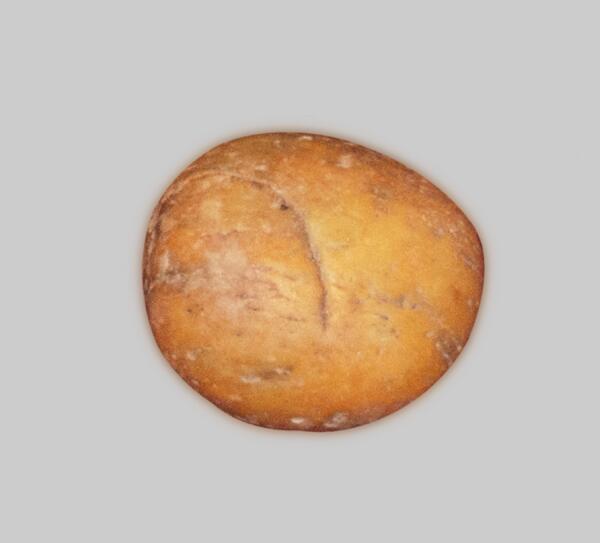
#15
A stone bullet of rounded pebble was found in excavation of a Kuznetsk ostrog house of XVII century, to the north-east of the building of former Ueszd Treasury. It is light-brown and resembles a walnut in shape. Such bullets were used in firearms. They were replaced by iron ones, and later, by the improved lead ones.
Shell launching devices appeared in high antiquity, long before the gunpowder was invented. Cannonballs of solid materials were the most popular shells in stone-hurling artillery. From the very invention of the stonethrower stone cannonballs were the most widespread shots of the stone-hurling artillery Most frequently, they were made from various kinds of stone.
According to the rules of defense, the fortress had to replenish the stock of such stones on a permanent basis. The garrison forces always had stones at hand that could be used in stone-throwers. The stones for hurling from the wall were often used as artillery shells. Besides, they were used to manufacture round cannonballs.
The weight of the shells of stone-throwing weapons usually differed depending on certain factors. The shape of the shell was usually round, and in certain cases they could be of different shape.
‘If the weight of the shells is equal, their strikes at the objects will be accurate, if they are round, they will fly to a long distance’
In an ancient Chinese treatise ‘Show Chen Lu’, Chen Guy wrote
As the throwing weapons developed, the besiegers and the besieged required special warehouses for stone shells of various weight and size: depending on the throwing capacities of the weapons. The availability of such warehouses was only natural: fabrication of large numbers of stone shells was very labor intensive and time-consuming — such shells were spared, especially in a situation of frequent sieges of the cities of military and strategic importance.
However the rate of fire was often so high that the shell stock did not last long. Many messages remain about the fortress battles in China in XI–XIII centuries when the artillery shelling from one or the other part could continue days or even weeks without a break. In such cases the shell stock had to be urgently replenished during the battle.
Shell launching devices appeared in high antiquity, long before the gunpowder was invented. Cannonballs of solid materials were the most popular shells in stone-hurling artillery. From the very invention of the stonethrower stone cannonballs were the most widespread shots of the stone-hurling artillery Most frequently, they were made from various kinds of stone.
According to the rules of defense, the fortress had to replenish the stock of such stones on a permanent basis. The garrison forces always had stones at hand that could be used in stone-throwers. The stones for hurling from the wall were often used as artillery shells. Besides, they were used to manufacture round cannonballs.
The weight of the shells of stone-throwing weapons usually differed depending on certain factors. The shape of the shell was usually round, and in certain cases they could be of different shape.
‘If the weight of the shells is equal, their strikes at the objects will be accurate, if they are round, they will fly to a long distance’
In an ancient Chinese treatise ‘Show Chen Lu’, Chen Guy wrote
As the throwing weapons developed, the besiegers and the besieged required special warehouses for stone shells of various weight and size: depending on the throwing capacities of the weapons. The availability of such warehouses was only natural: fabrication of large numbers of stone shells was very labor intensive and time-consuming — such shells were spared, especially in a situation of frequent sieges of the cities of military and strategic importance.
However the rate of fire was often so high that the shell stock did not last long. Many messages remain about the fortress battles in China in XI–XIII centuries when the artillery shelling from one or the other part could continue days or even weeks without a break. In such cases the shell stock had to be urgently replenished during the battle.
#16
Full name Stone bullet
Date XVII century
Place Russia
Technique rounded pebble
Dimensions Diameter - 1,8 cm
Collection Russia, Kuznetsk uyezd, the town of Kuznetsk. XVII-XVIII cent. From the facilities located to the north-east from the building of former Uyezd Treasury
Copyright Kuznetsk fortress
Goskatalog Number 3636216
Date XVII century
Place Russia
Technique rounded pebble
Dimensions Diameter - 1,8 cm
Collection Russia, Kuznetsk uyezd, the town of Kuznetsk. XVII-XVIII cent. From the facilities located to the north-east from the building of former Uyezd Treasury
Copyright Kuznetsk fortress
Goskatalog Number 3636216
#25
Gun flint
#6
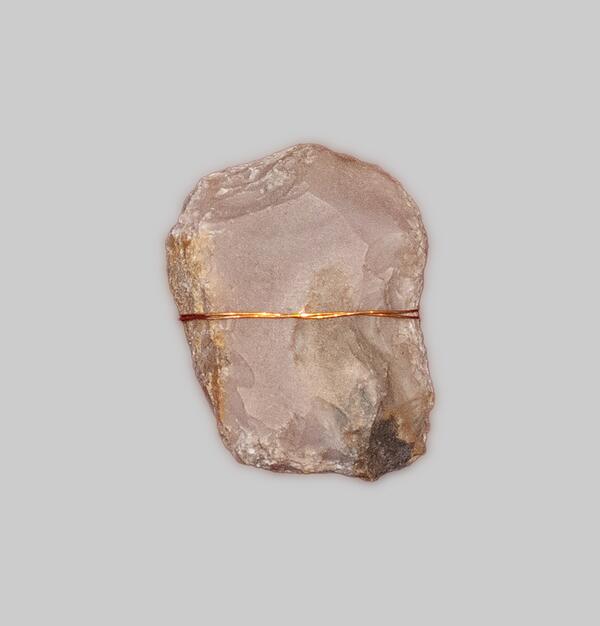
#17
An obvious advantage of the Russian service class people over the nomads was the availability of fire weapons. There exited several types of hand fire weapons: ‘smooth-bore’ arquebuses, rifles, muskets, trigger-based handguns. Rifles had smaller weight and larger range of firer. All firearms were flintlock. No complete samples are available in Kuznetsk, only their elements.
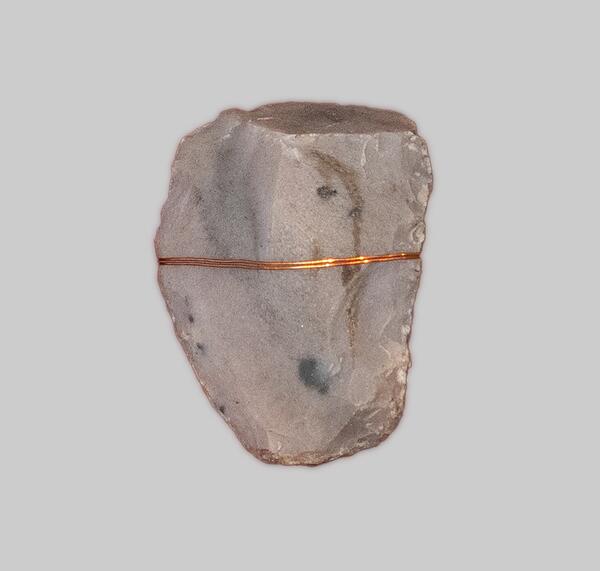
Flint was a component of the gun’s lock. Arquebuse flint in the museum collection was found in the excavation of a house in Kuznetsk ostrOg of XVII century. It is a radially, i.e., symmetrically processed stone, a grey-rose quarzrock retouched along the outline.
A flint gun is a smooth- or rifle-bore hand weapons with a flint lock. A detonating flintlock invented early in XVII century combined the advantages of various designs of spark locks. The flint lock was relatively simple, very efficient, and it was widely used both in pistols and guns.
The birthplace of the flint lock is France, but by mid- XVII century it became widely spread in most European countries. It was so popular that it remained in use for over 200 years, and it continued to be manufactured until 1830-s.
The flint guns were preceded by an earlier spark detonating lock. In the first samples the flint and the flash pan cover were an integral whole. Part of the trigger and firing mechanism, a sear, moved vertically to fit two cut-offs in the notch tumbler – a disc attached to the same axe with the firing hammer. Those cut-offs allowed putting the hammer in full- or half-cock position. Half-cock position of the hammer was safe. Before shooting, the hammer was put into full-cock position, and then the trigger was pulled. The flint struck against the stone simultaneously opening the flash pan cover and striking the sparks that went to the priming powder. The priming powder ignited and set the propellant powder on fire, located in the bore together with a round bullet.
After the flint locks spread over Western Europe in the 1630-s, national specifics started to be manifested. Each workshop developed its own easily recognizable style. The principal European firearms supplier early in XVII century was France — flint pistols manufactured by Paris gun makers are part of the best European collections.
Flint was a component of the gun’s lock. Arquebuse flint in the museum collection was found in the excavation of a house in Kuznetsk ostrOg of XVII century. It is a radially, i.e., symmetrically processed stone, a grey-rose quarzrock retouched along the outline.
A flint gun is a smooth- or rifle-bore hand weapons with a flint lock. A detonating flintlock invented early in XVII century combined the advantages of various designs of spark locks. The flint lock was relatively simple, very efficient, and it was widely used both in pistols and guns.
The birthplace of the flint lock is France, but by mid- XVII century it became widely spread in most European countries. It was so popular that it remained in use for over 200 years, and it continued to be manufactured until 1830-s.
The flint guns were preceded by an earlier spark detonating lock. In the first samples the flint and the flash pan cover were an integral whole. Part of the trigger and firing mechanism, a sear, moved vertically to fit two cut-offs in the notch tumbler – a disc attached to the same axe with the firing hammer. Those cut-offs allowed putting the hammer in full- or half-cock position. Half-cock position of the hammer was safe. Before shooting, the hammer was put into full-cock position, and then the trigger was pulled. The flint struck against the stone simultaneously opening the flash pan cover and striking the sparks that went to the priming powder. The priming powder ignited and set the propellant powder on fire, located in the bore together with a round bullet.
After the flint locks spread over Western Europe in the 1630-s, national specifics started to be manifested. Each workshop developed its own easily recognizable style. The principal European firearms supplier early in XVII century was France — flint pistols manufactured by Paris gun makers are part of the best European collections.
#18
Full name Gun flint
Date XVII century
Place Russia
Technique chipping-off, sheared surface, retouch
Dimensions max.height - 2,2 cm, max.length - 3 cm, max.thickness - 1 cm
Collection XVII-XVIII cent. Kuznetsk ostrog (small wooden fort)— the city of Kuznetsk. Excavations of various years
Copyright Kuznetsk fortress
Date XVII century
Place Russia
Technique chipping-off, sheared surface, retouch
Dimensions max.height - 2,2 cm, max.length - 3 cm, max.thickness - 1 cm
Collection XVII-XVIII cent. Kuznetsk ostrog (small wooden fort)— the city of Kuznetsk. Excavations of various years
Copyright Kuznetsk fortress
#24
Gun flint
#7
#19
An obvious advantage of the Russian service class people over the nomads was the availability of fire weapons. There exited several types of hand fire weapons: ‘smooth-bore’ arquebuses, rifles, muskets, trigger-based handguns. Rifles had smaller weight and larger range of firer. All firearms were flintlock. No complete samples are available in Kuznetsk, only their elements.
Flint was a component of the gun’s lock. Arquebuse flint in the museum collection was found in the excavation of a house in Kuznetsk ostrOg of XVII century. It is a radially, i.e., symmetrically processed stone, a grey-rose quarzrock retouched along the outline.
A flint gun is a smooth- or rifle-bore hand weapons with a flint lock. A detonating flintlock invented early in XVII century combined the advantages of various designs of spark locks. The flint lock was relatively simple, very efficient, and it was widely used both in pistols and guns.
The birthplace of the flint lock is France, but by mid- XVII century it became widely spread in most European countries. It was so popular that it remained in use for over 200 years, and it continued to be manufactured until 1830-s.
The flint guns were preceded by an earlier spark detonating lock. In the first samples the flint and the flash pan cover were an integral whole. Part of the trigger and firing mechanism, a sear, moved vertically to fit two cut-offs in the notch tumbler – a disc attached to the same axe with the firing hammer. Those cut-offs allowed putting the hammer in full- or half-cock position. Half-cock position of the hammer was safe. Before shooting, the hammer was put into full-cock position, and then the trigger was pulled. The flint struck against the stone simultaneously opening the flash pan cover and striking the sparks that went to the priming powder. The priming powder ignited and set the propellant powder on fire, located in the bore together with a round bullet.
After the flint locks spread over Western Europe in the 1630-s, national specifics started to be manifested. Each workshop developed its own easily recognizable style. The principal European firearms supplier early in XVII century was France — flint pistols manufactured by Paris gun makers are part of the best European collections.
Flint was a component of the gun’s lock. Arquebuse flint in the museum collection was found in the excavation of a house in Kuznetsk ostrOg of XVII century. It is a radially, i.e., symmetrically processed stone, a grey-rose quarzrock retouched along the outline.
A flint gun is a smooth- or rifle-bore hand weapons with a flint lock. A detonating flintlock invented early in XVII century combined the advantages of various designs of spark locks. The flint lock was relatively simple, very efficient, and it was widely used both in pistols and guns.
The birthplace of the flint lock is France, but by mid- XVII century it became widely spread in most European countries. It was so popular that it remained in use for over 200 years, and it continued to be manufactured until 1830-s.
The flint guns were preceded by an earlier spark detonating lock. In the first samples the flint and the flash pan cover were an integral whole. Part of the trigger and firing mechanism, a sear, moved vertically to fit two cut-offs in the notch tumbler – a disc attached to the same axe with the firing hammer. Those cut-offs allowed putting the hammer in full- or half-cock position. Half-cock position of the hammer was safe. Before shooting, the hammer was put into full-cock position, and then the trigger was pulled. The flint struck against the stone simultaneously opening the flash pan cover and striking the sparks that went to the priming powder. The priming powder ignited and set the propellant powder on fire, located in the bore together with a round bullet.
After the flint locks spread over Western Europe in the 1630-s, national specifics started to be manifested. Each workshop developed its own easily recognizable style. The principal European firearms supplier early in XVII century was France — flint pistols manufactured by Paris gun makers are part of the best European collections.
#20
Full name Arquebuse flint
Date XVII century
Place Russia
Technique chipping-off, sheared surface, retouch
Dimensions max.height - 2,2 cm, max.length - 3 cm, max.thickness - 1 cm
Collection XVII-XVIII cent. Kuznetsk ostrog (small wooden fort)— the city of Kuznetsk. Excavations of various years
Copyright Kuznetsk fortress
Goskatalog Number 4792383
Date XVII century
Place Russia
Technique chipping-off, sheared surface, retouch
Dimensions max.height - 2,2 cm, max.length - 3 cm, max.thickness - 1 cm
Collection XVII-XVIII cent. Kuznetsk ostrog (small wooden fort)— the city of Kuznetsk. Excavations of various years
Copyright Kuznetsk fortress
Goskatalog Number 4792383
#23
Ramrod
#8
#21
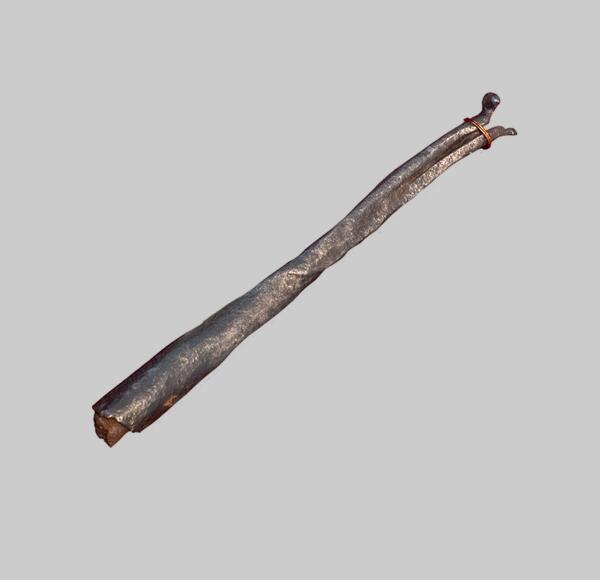
The ramrod was found in excavation of a XVII century house in Kuznetsk ostrog. It is a wooden stem with an iron point. The upper part of the point is Y-shaped, its ends parted at an obtuse angle. The ramrod was easy to manufacture, it was used to clean the barrel from inside and to remove the bullets.
Most of Kuznetsk ostrog population were the service class people – military estate. Firearms like arqubuses, escopets, trigger-based handarms and pistols were in permanent use. And a ramrod is an ordinary article to discover in a living house in Kuznetsk.
The ramrods could be one-piece and disassemblable consisting of several parts. The first firearms were muzzle-loaded, like, for example, escopets. The ramrods could also be used to load the bullets and the wads separating the powder in the cartridge from the bullet.
A ramrod for a modern army gun usually has a screw thread at the end: the accessories for cleaning and lubricating the firearms are screwed to it. Such ramrod is attached under the barrel. There also existed certain exotic locations on the firearms where the ramrod could be stored. For instance, in a German assault rifle Stg-44 it is kept inside the gas piston mechanism.
The Russian for ramrod is ‘shompol’ coming from the German stempel, meaning pestle, stem. Usually, the ramrods were made of steel, earlier they used to be wooden stems, or the stems made of wood with metal. They were used to drive out the cartridges and empty cartridge cases stuck in the bore, and for cleaning and lubricating the barrels of hand firearms or pneumatic arms.
At early stages of the firearms development the ramrod was indispensable for muzzle-loaded weapons – it helped drive the bullet into the barrel until the stop limit. For Nesler bullets and other pointed bullets ramrods with a relevant shape of the head were used. When loading rifled muzzle-loaded rifles of XVI–XIX centuries— escopets – the bullet needed to be knocked into the bore using the ramrod. Invention of Minie bullet allowed cancelling bullets knocking into the bore, and since that time, the ramrod has no longer been required in the combat equipment.
Most of Kuznetsk ostrog population were the service class people – military estate. Firearms like arqubuses, escopets, trigger-based handarms and pistols were in permanent use. And a ramrod is an ordinary article to discover in a living house in Kuznetsk.
The ramrods could be one-piece and disassemblable consisting of several parts. The first firearms were muzzle-loaded, like, for example, escopets. The ramrods could also be used to load the bullets and the wads separating the powder in the cartridge from the bullet.
A ramrod for a modern army gun usually has a screw thread at the end: the accessories for cleaning and lubricating the firearms are screwed to it. Such ramrod is attached under the barrel. There also existed certain exotic locations on the firearms where the ramrod could be stored. For instance, in a German assault rifle Stg-44 it is kept inside the gas piston mechanism.
The Russian for ramrod is ‘shompol’ coming from the German stempel, meaning pestle, stem. Usually, the ramrods were made of steel, earlier they used to be wooden stems, or the stems made of wood with metal. They were used to drive out the cartridges and empty cartridge cases stuck in the bore, and for cleaning and lubricating the barrels of hand firearms or pneumatic arms.
At early stages of the firearms development the ramrod was indispensable for muzzle-loaded weapons – it helped drive the bullet into the barrel until the stop limit. For Nesler bullets and other pointed bullets ramrods with a relevant shape of the head were used. When loading rifled muzzle-loaded rifles of XVI–XIX centuries— escopets – the bullet needed to be knocked into the bore using the ramrod. Invention of Minie bullet allowed cancelling bullets knocking into the bore, and since that time, the ramrod has no longer been required in the combat equipment.
#22
Full name Ramrod
Author unnamed
Date XVII century
Technique iron, wood, forging
Place Russia
Dimensions 8×0,7 cm
Collection Kunetsk ostrog. XVII – XVIII cent.
Copyright Kuznetsk fortress
Restorers Scheglakov A.P.
Goskatalog Number 6539509
Author unnamed
Date XVII century
Technique iron, wood, forging
Place Russia
Dimensions 8×0,7 cm
Collection Kunetsk ostrog. XVII – XVIII cent.
Copyright Kuznetsk fortress
Restorers Scheglakov A.P.
Goskatalog Number 6539509
read morehide
00:00
00:00
1x
6
 Point your smartphone camera to open in the app
Open in app
Share