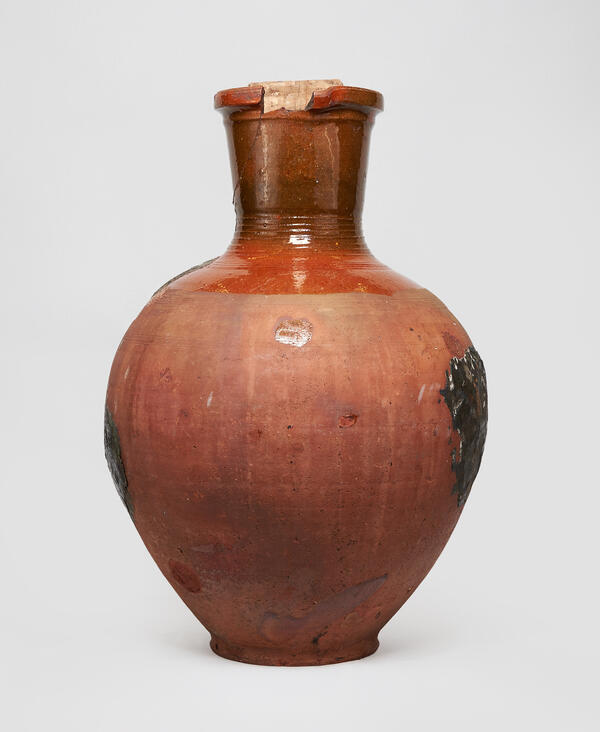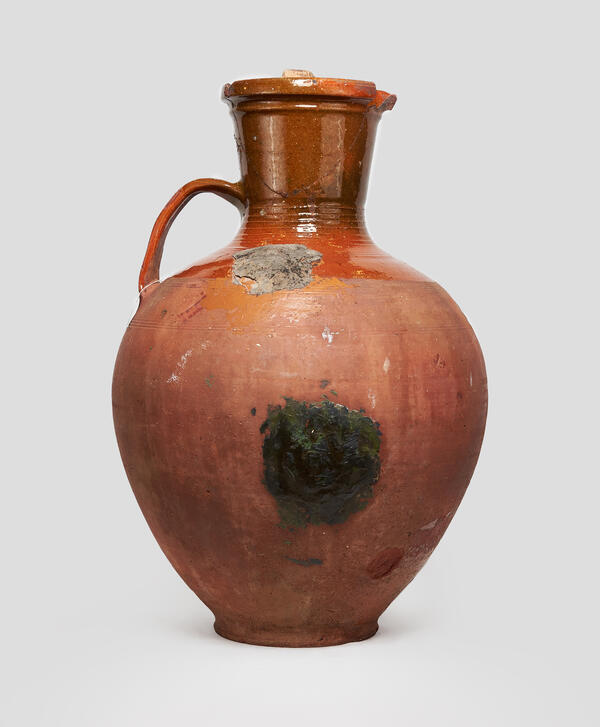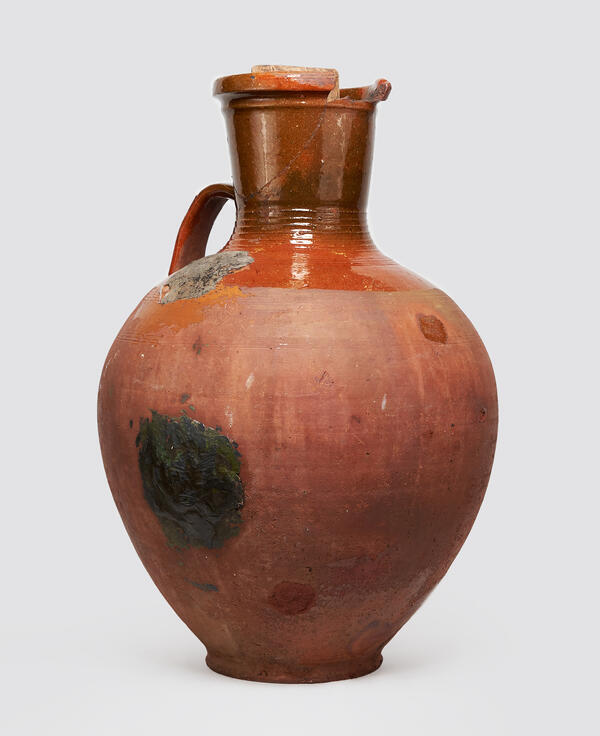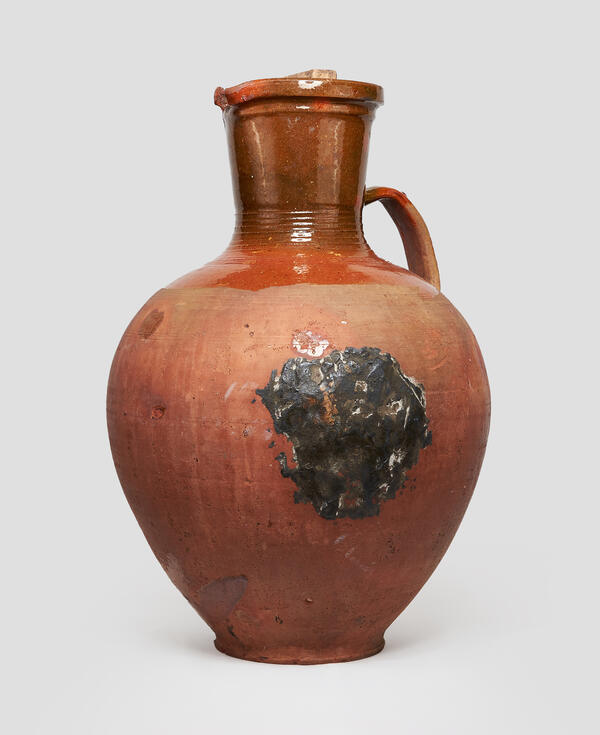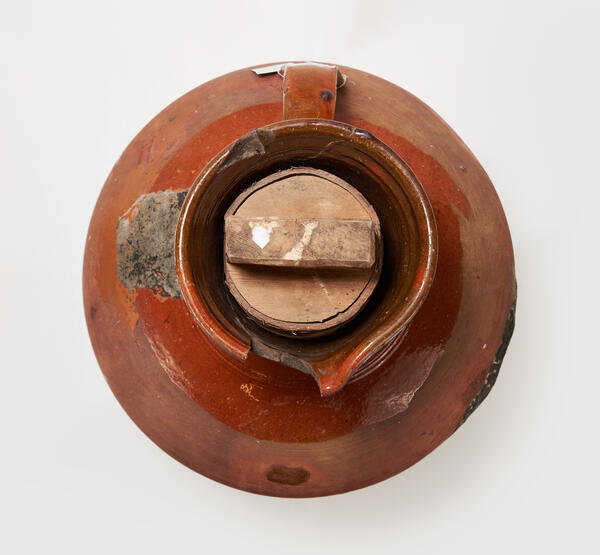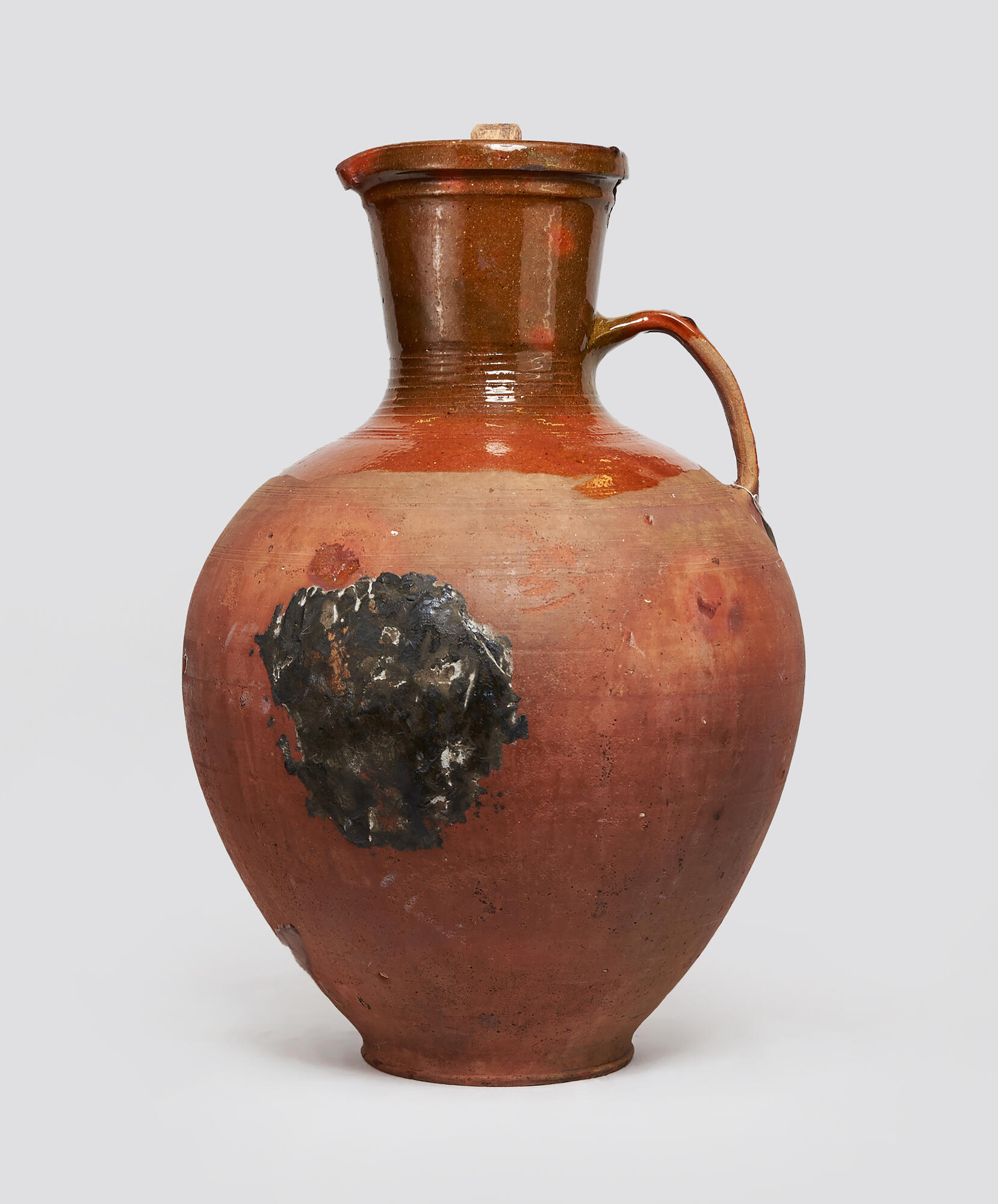


Ceramic material is one of the earliest man-made materials. In human history, it marked the transition to permanent agricultural settlements. The raw materials for ceramic products are clay and mineral additives (sand and shells). The production process includes the molding of a vessel or other object, its firing, subsequent cooling and often decorating.
Archaeologists managed to discover the oldest examples of ceramic pots on Russian soil in Transbaikalia (ceramics of the Ust-Karenga culture) and in the Far East. The oldest ceramic artifacts of the Ugrians, dated to the end of the 5th millennium BC, were unearthed in the basin of the Konda River in the Tyumen region.
Until the 14th–15th centuries, this craft developed quite actively, but then gradually began to fade due to the spread of metal products.
The inhabitants of Western Siberia preferred the coiling technique of creating pottery: on a flat surface, prepped clay was rolled into coils (long thin strips). The coils were used to build the “walls” of the future piece, that were then gradually built up upon one another, carefully covering the joints. Depending on the region, various tempers were added to the clay to prevent it from shrinking during drying: talc (in the Trans-Urals), crushed coarse-grained rocks (Kondo-Sosva watershed), shells, mica, crushed fish and animal bones and other additives.
Until the beginning of the Bronze Age, round-bottomed jars were ubiquitous, and then pots appeared. In the north of Western Siberia in the Bronze Age, people made “quadrangular and navicular bowls imitating wooden and birch bark dishes” (the historian and culturologist Valentina Ivanovna Semyonova). During the same period, figured stamps depicting wavy lines, crosses, corners, rhombuses and animal tracks began to be used — they are featured in modern birch bark products of the Khanty and Mansi peoples.
Over time, ceramic items began to be produced on an industrial scale. In the 1940s and 1950s, a factory in the Khanty-Mansiysky District made bricks using local blue “hazel” clay, as well as whistles, molded miniature sculpture and various kitchen utensils: pots, jugs, bowls, dishes, large pots, pans, milk jugs, and “brazhnik” dishes.