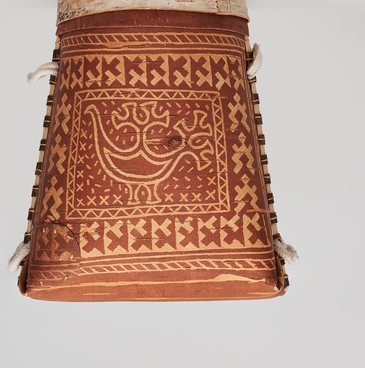
According to ancient Khanty beliefs, flour has a divine origin and all food made using flour is to be treated with special reverence. Nyan bread is traditionally baked in an outdoor adobe oven called nyan ker: the oven is heated, the ashes and coals are removed, and the dough is put inside.
The dough for ordinary Khanty bread is made with flour, salt, water or fish broth. The Khanty also bake blood bread by adding fresh deer or elk blood to the dough. In addition, they make Russian kvass bread, bread with fish caviar and other types… The Khanty and Mansi peoples also used to make flour using dried fish, bird cherry and even birch bark. To obtain this product, the freshly removed birch bark was cut into pieces, soaked for several days in water, then kneaded to a paste, thoroughly dried and finally ground. This flour had a specific taste and was nutrient-rich due to its high fiber content.
In the olden days, the Khanty determined how long one should keep bread in the oven by the length of the tree shadows. They cooled down freshly baked bread by turning it sideways, and first gave it to the eldest member of the family. Children were treated to special small loaves with berry filling.
The researchers of the Khanty way of life and culture, Vladislav Mikhailovich Kulemzin and Nadezhda Vasilyevna Lukina mention that the Khanty made “lingonberry jam with flour added instead of sugar” and “flour broth”, which for a long time, just like hot water, was used instead of expensive tea.
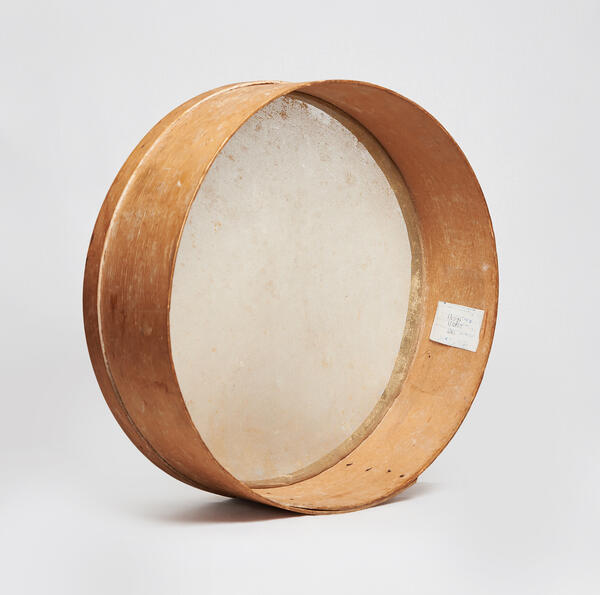
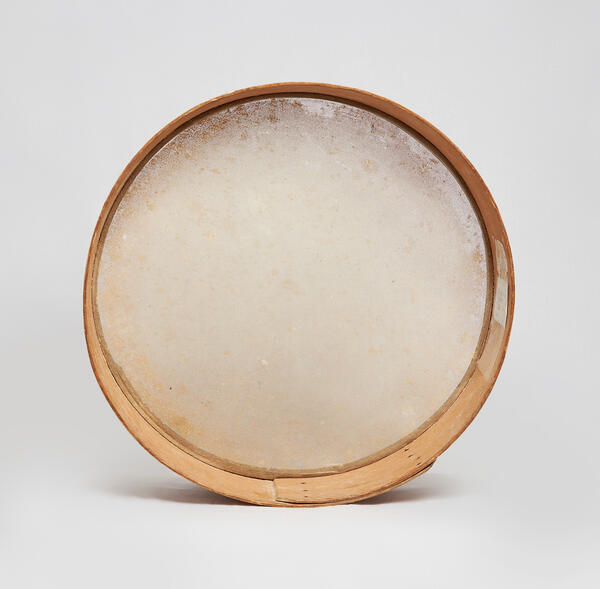
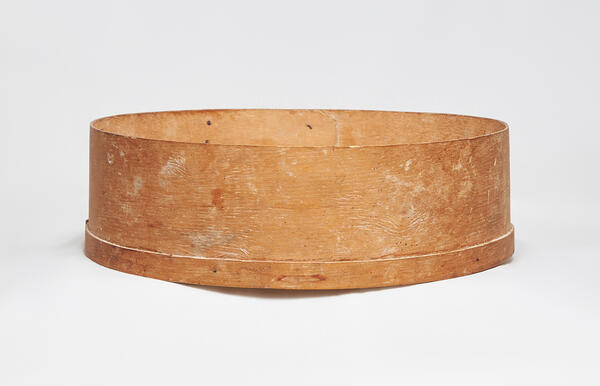
Flour is sifted before use and cleaned of husks, insects and other small debris. The sifting is also important as it introduces air, making flour airier and more uniform.
Initially, for sifting, the Khanty used a strainer, consisting of a wooden, usually birch, ring with a fine mesh made of horsehair. Over time, it was replaced by a sieve — a bast or wooden ring with a mesh made of thin wire. The diameter and size of the sieve cells differed: the smaller the cells, the more thoroughly the flour is sifted. No wonder in the old days bread made using sifted flour was called “sitny” (or “sitnik”) in Russian (the Russian word “sito” means “a sieve”) and was valued more than bread made with flour that was not sifted.
In addition to practical use during cooking, the sieve was also a talisman and was kept in the kitchen; for the same purpose, this object was placed at the head of the bed to protect from nightmares.