Font
Color
Graphics
Изображение точки

To see AR mode in action:

1. Install ARTEFACT app for iOS or Android;

2. Find the exhibition «Rybinsk in the 19th and Early 20th Centuries»

3. Push the «Augmented reality» button and point your phone's camera at the exhibit;

Скрыть точки интересаПоказать точки интереса
Показать в высоком качестве

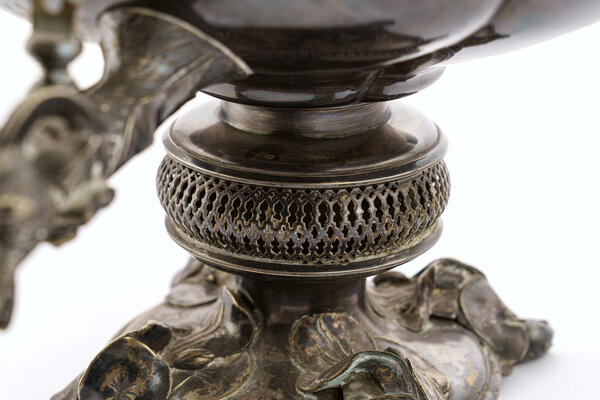
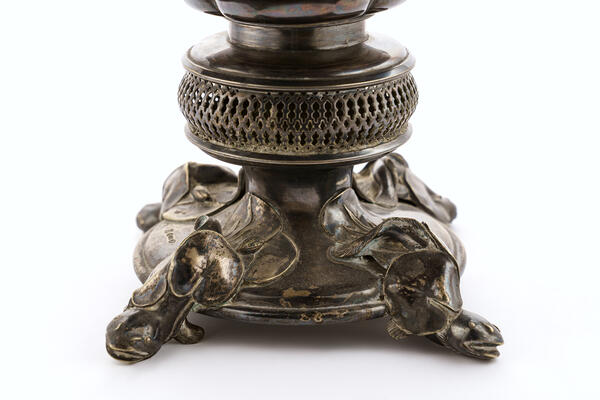
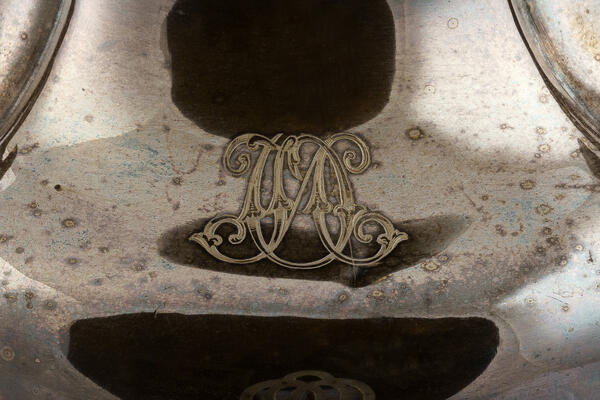
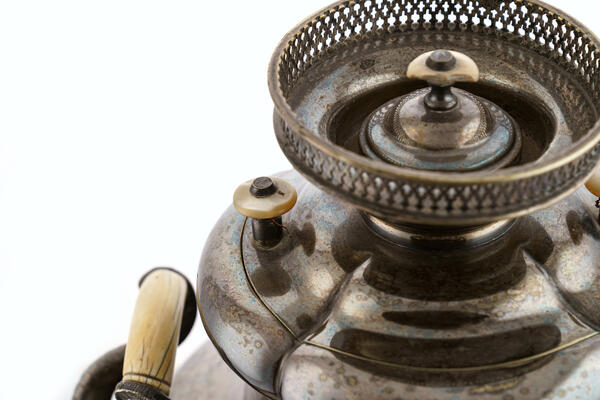
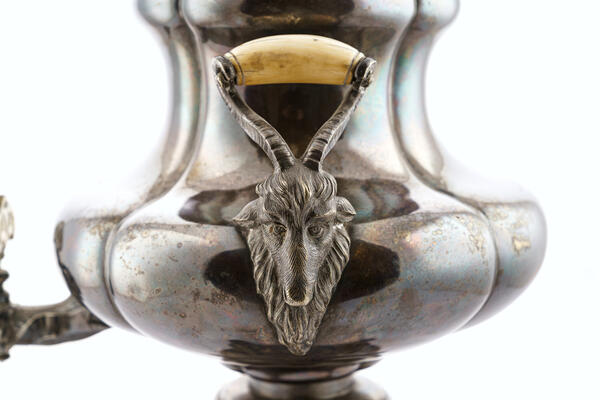
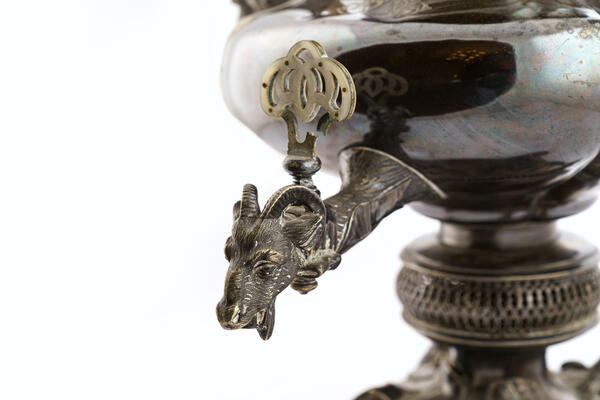
Samovar

Creation period
the 1870s–1880s
Place of сreation
Saint Petersburg, the Russian Empire
Dimensions
46x41x39 cm
Technique
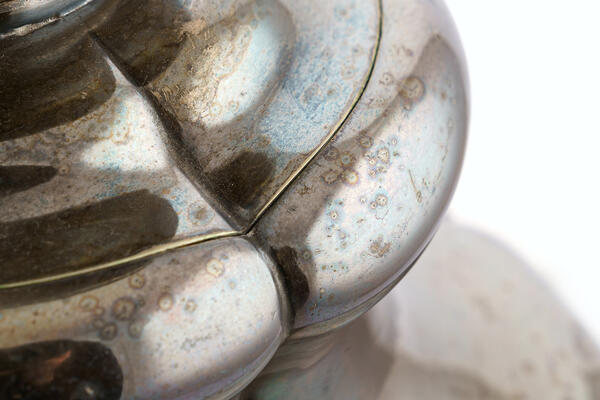
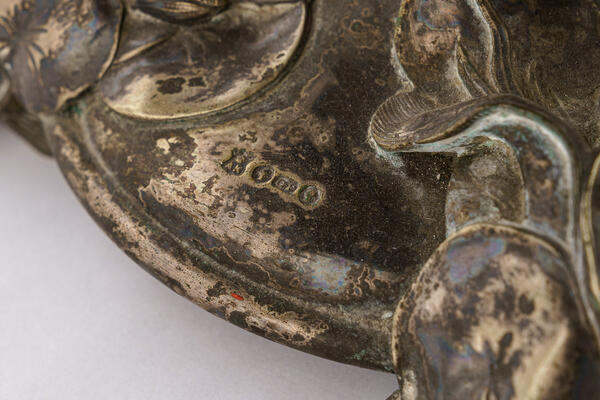
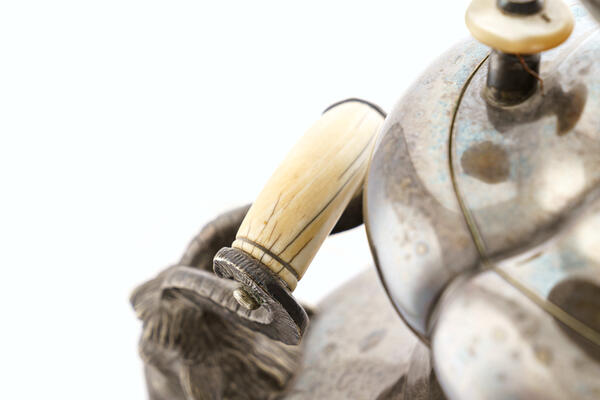
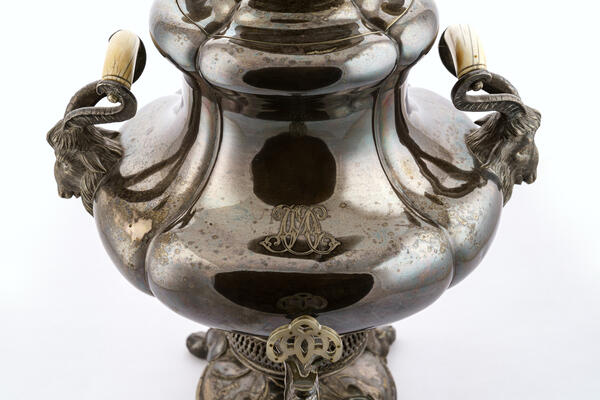
copper, bone; drift pin, plating, stamp
0
Open in app
#2

A samovar is a metallic vessel used for boiling water and making tea.

In Russia, the first samovars appeared with the spread of tea drinking. Historical records indicate that the city of Suksun was the first to produce samovars. A 16-pound tin-plated copper samovar manufactured at the Suksun factory was mentioned in documents from 1740. Historians found the first reference to the Tula samovar in a document from 1746. Some believe that samovar production was launched simultaneously in two cities, as factories in Suksun and Tula belonged to Russian entrepreneurs from the Demidov dynasty.

Samovar manufacturing proved to be highly profitable: artisans quickly became manufacturers and workshops were turned into factories. Samovars varied in shape (vase-like, pear, and others) and size (ranging from three to 15 liters in volume). The price of these unique devices was determined by their weight. The heavier a samovar was, the more it cost.

In fiction, there are many descriptions of samovars and the atmosphere of tea drinking. For example, in the story “Shlisselburg Station” by Nikolay Alexandrovich Bestuzhev, one can read the following,
#4

The invention of tea is indeed a remarkable thing; in a family, tea brings people closer together and provides a break from daily chores; in societies where etiquette has not yet banned samovars from living rooms and still allows the hostess to serve tea, guests gather around the tea table; something common brings minds together; it seems that the hot drink warms hearts and encourages cheerfulness and openness.

#5

In the book “Moscow and Muscovites”, by Mikhail Nikolayevich Zagoskin, we read,

#6

They enjoyed themselves everywhere and drank tea everywhere. This essential need of our merchants, this sole luxury of our poor city dwellers, this festive, ultimate pleasure of all sober commoners, factory workers, and even peasants — our Russian samovar was smoking at every turn.

#7

In “Family Chronicle”, Sergey Timofeyevich Aksakov writes,

#8

The tea was made strong, and served exactly as he liked it: that is, the teapot, covered with a napkin, was placed on the top of the samovar; his cup was filled close up to the brim; Sofya Nikolayevna handed it without spilling a single drop in the saucer; and the fragrant beverage was so hot that it burnt his lips.

#9
Samovar
#3
View in the State Catalogue
read morehide
00:00
00:00
1x

Samovar

Creation period
the 1870s–1880s
Place of сreation
Saint Petersburg, the Russian Empire
Dimensions
46x41x39 cm
Technique
copper, bone; drift pin, plating, stamp
0
Point your smartphone camera to open in the app
Share
VkontakteOdnoklassnikiTelegram
Share on my website
Copy linkCopied
Copy
Open in app
To see AR mode in action:
  1. Install ARTEFACT app for 
  2. iOS or Android;
  3. Find and download the «Paintings in Details» exhibition
  4. Push the «Augmented reality» button and point your phone's camera at the painting;
  5. Watch what happens on your phone screen whilst you flip through the pictures.
 
We use Cookies
Cookies on the Artefact Website. We use cookies to ensure that we give you the best experience on our website. If you continue without changing your settings, we'll assume that you are happy to receive all cookies on the Artefact website. However, if you would like to, you can change your cookie settings at any time.
Learn more about useHide
Content is available only in Russian

X

Нашли опечатку?...

%title%%type%