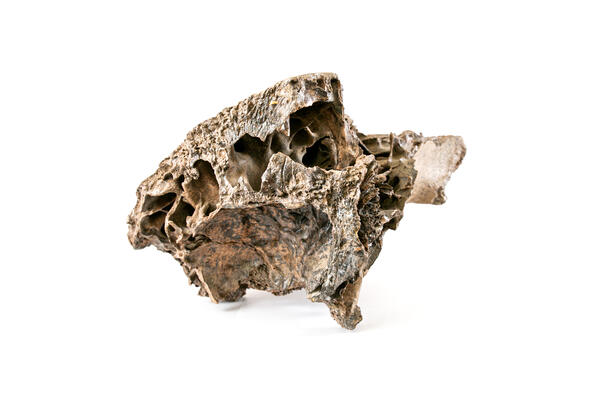
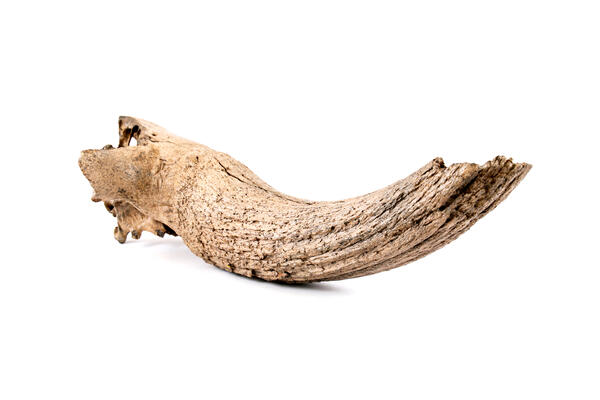
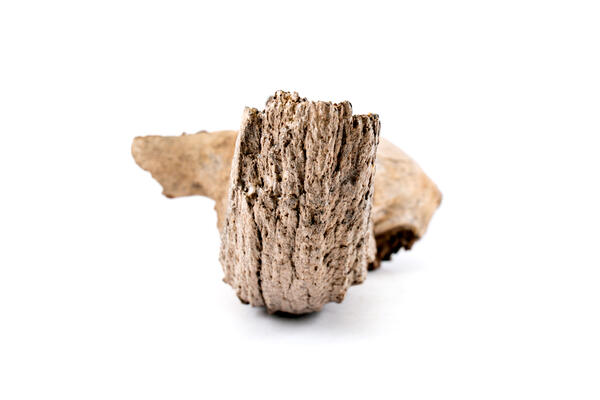
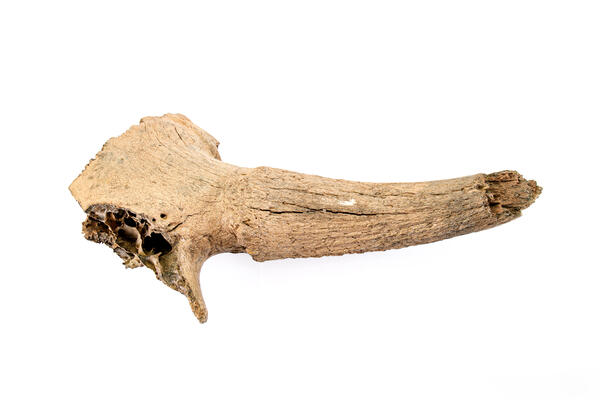
Primal bison appeared in Eurasia about one and a half million years ago. Judging by the remains, the first specimens of this species weighed within 500 kilograms, had massive skulls and short horns. In addition to the impressive mass, these animals had muscular bodies, strong wide hooves and could likely reach speeds of up to 40–50 km/h. They had no natural enemies, and the population was growing rapidly. At the same time, the size of the bison increased as well: in the Pleistocene, some of them could weigh up to a ton.
The remains of especially large specimens aged 100–200 thousand years were found on the territory of Siberia. The bodies of these animals were more than three meters long and over two meters tall. Their weight ranged between two and two and a half tons. Judging by individual findings, the span of the horns with a slight upward curl could reach up to 180 centimeters, however usually did not exceed a meter.
Typical inhabitants of the steppes, bison fed on dry steppe grasses, in winter they dug grass or shrub shoots from under the snow.
Over time, people began hunting bison: they ate their fat and meat, and used skins, horns and bones to make clothes, weapons and tools. Numerous drawings of bison grazing, playing or resting, made with fat and ochre, are found on the walls of caves. The richest “exhibition” of such drawings is located in the Pyrenees, on the ceiling of the Altamira Cave. There are also ritual images in which bison appear defeated (sometimes with arrows sticking out of them), surrounded by hunters.
Hunting and rising climate temperatures led to a decrease in population, and later almost complete extinction of bison. In some regions of Europe, these animals were able to adapt to new conditions and survive in the taiga, although they became significantly smaller. Two independent populations of forest bison were formed: the Belovezhskaya, who inhabited the plains and the Caucasian, who lived in the mountains and survived until the Middle Ages.
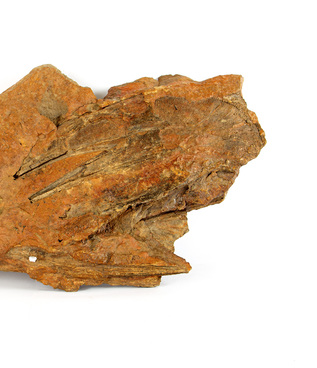
The remains of ancient bison
are often found on the banks of large rivers, as water erodes the soil and
brings bones to the surface. The well-known modern-day descendants of these
primitive giants are the American and the European bison.