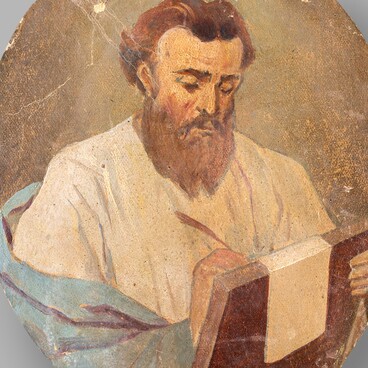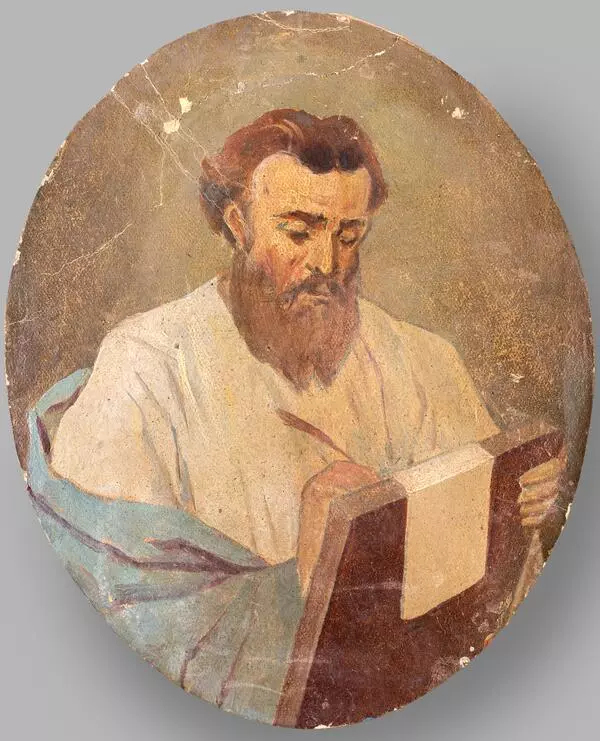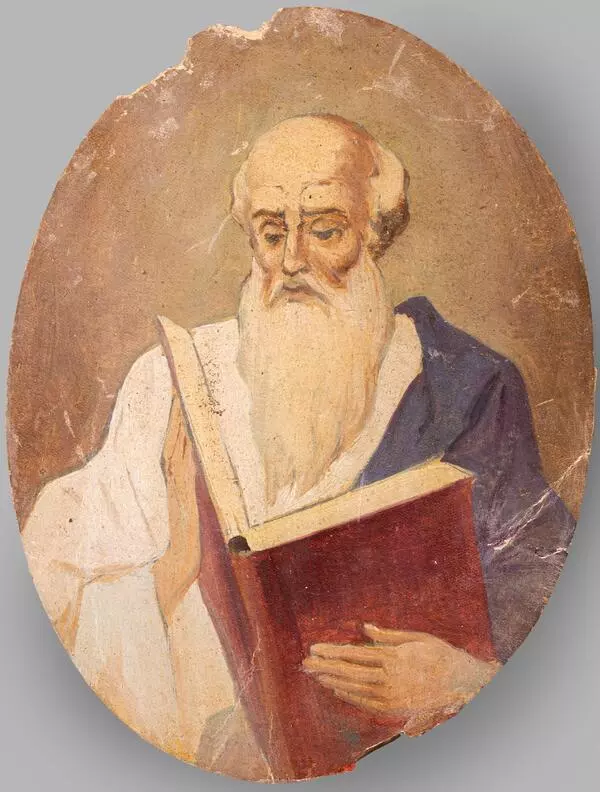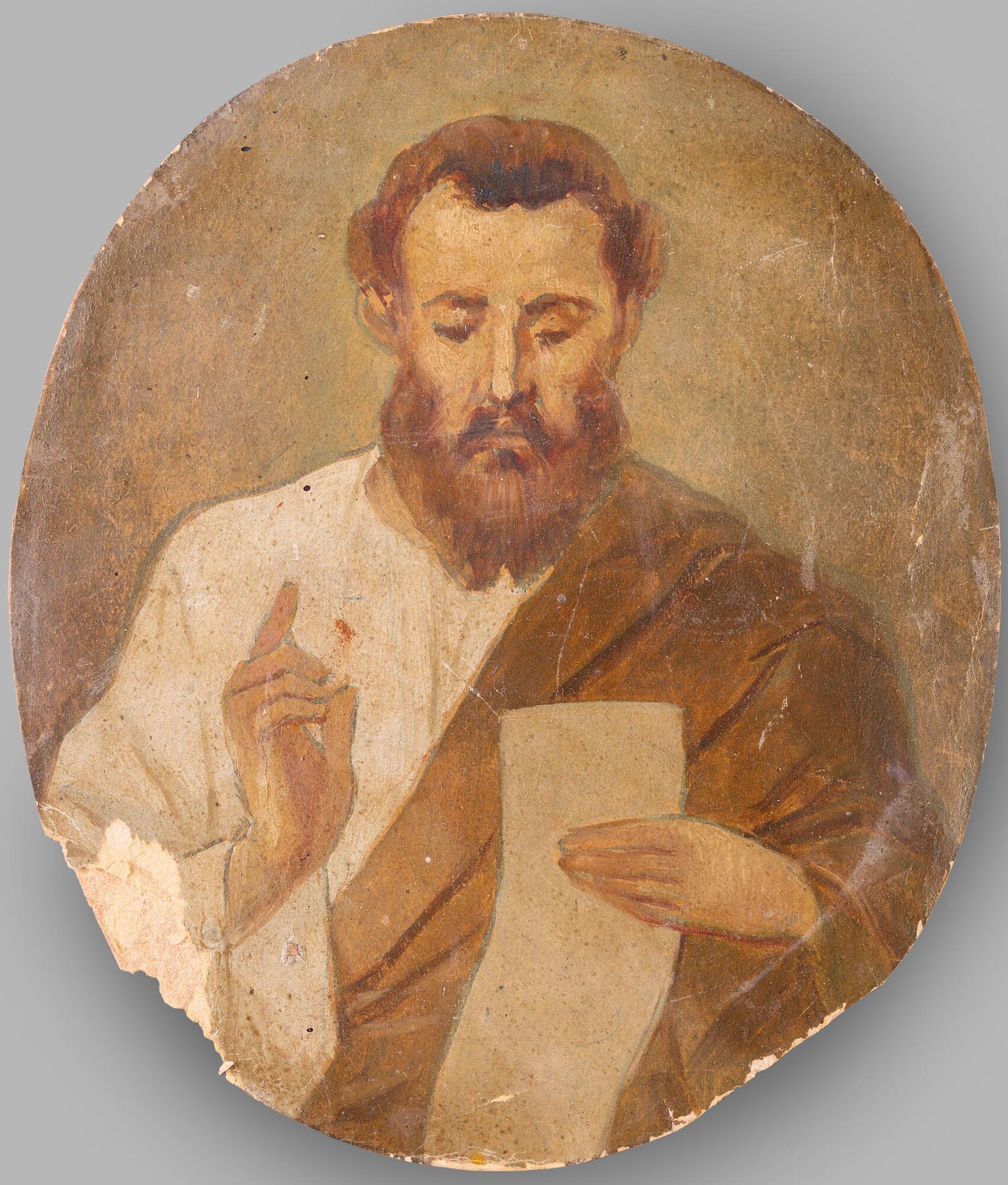


Luke the Evangelist is called “a Gentile Christian.” He was born in Antioch into a well-educated Greek family. He was a doctor and a law expert. After hearing about Christ and His teaching, Luke left his hometown and went to Galilee, where he was chosen by Christ as one of the Seventy Disciples, listened to the Teacher’s sermons and received from Him the gift of healing not only physical but also mental illnesses — exorcism.
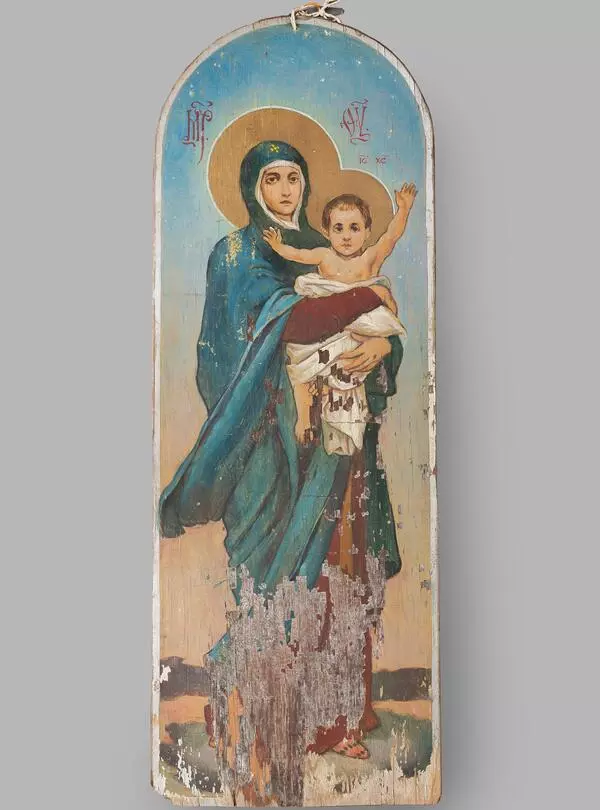
The apostle spent a lot of time with the Most Holy Theotokos and, according to church tradition, was the first to paint her image, which became canonical for subsequent iconography of the Mother of God.
After the Crucifixion and Resurrection of the Lord, Luke returned to Antioch and brought a relic from Sebastia — the right hand of John the Baptist.
For a long time, Luke was a faithful companion and disciple of Paul the Apostle, together they preached about Christ’s teaching in Greece and Macedonia. They did not part even when Paul was arrested and imprisoned in Rome for two years. It was at that time that Luke compiled the third Gospel (after the ones of Matthew and Mark) under the guidance of his mentor. It is based on church legends, historical facts and stories heard by the evangelist from the Virgin Mary herself.
After being released from prison, visiting several previously founded churches and returning to Rome, Paul the Apostle was again arrested and executed by order of Emperor Nero. After that, Luke the Apostle went to preach on his own to Achaia, Libya, Egypt and the Thebaid, Gaul and Africa. He spent several years in Macedonia and Palestine, spreading the Christian faith, organizing communities and blessing deacons and bishops for service.
In Thebes, under the persecuting emperor Domitian, he was martyred at age 84: he was hung on an olive tree.
After the Gospel, Luke wrote “The Acts of the Apostles”, which was also included in the New Testament. Both works are written chronologically, contain important historical details and reveal the author’s extensive knowledge of Jewish customs and the Law of Moses.
The Gospel of Luke is considered the most historical of the four. Much attention is paid to details and parables; the whole narrative concentrates around the main idea — the redeeming sacrifice of the Savior. Hence, the symbol of Luke is a bull (ox), as it is a sacrificial animal.
The apostle spent a lot of time with the Most Holy Theotokos and, according to church tradition, was the first to paint her image, which became canonical for subsequent iconography of the Mother of God.
After the Crucifixion and Resurrection of the Lord, Luke returned to Antioch and brought a relic from Sebastia — the right hand of John the Baptist.
For a long time, Luke was a faithful companion and disciple of Paul the Apostle, together they preached about Christ’s teaching in Greece and Macedonia. They did not part even when Paul was arrested and imprisoned in Rome for two years. It was at that time that Luke compiled the third Gospel (after the ones of Matthew and Mark) under the guidance of his mentor. It is based on church legends, historical facts and stories heard by the evangelist from the Virgin Mary herself.
After being released from prison, visiting several previously founded churches and returning to Rome, Paul the Apostle was again arrested and executed by order of Emperor Nero. After that, Luke the Apostle went to preach on his own to Achaia, Libya, Egypt and the Thebaid, Gaul and Africa. He spent several years in Macedonia and Palestine, spreading the Christian faith, organizing communities and blessing deacons and bishops for service.
In Thebes, under the persecuting emperor Domitian, he was martyred at age 84: he was hung on an olive tree.
After the Gospel, Luke wrote “The Acts of the Apostles”, which was also included in the New Testament. Both works are written chronologically, contain important historical details and reveal the author’s extensive knowledge of Jewish customs and the Law of Moses.
The Gospel of Luke is considered the most historical of the four. Much attention is paid to details and parables; the whole narrative concentrates around the main idea — the redeeming sacrifice of the Savior. Hence, the symbol of Luke is a bull (ox), as it is a sacrificial animal.