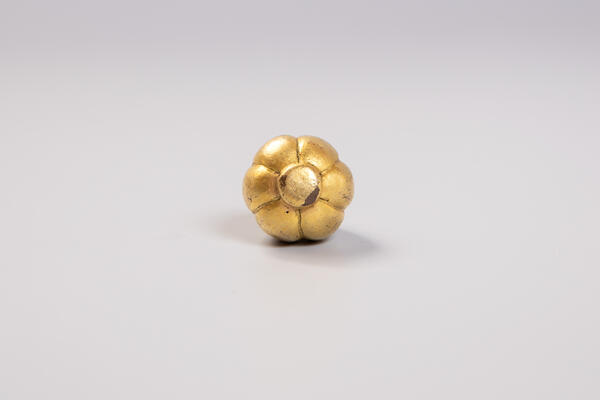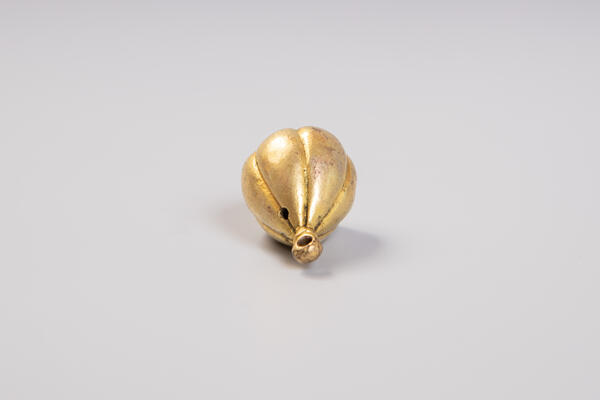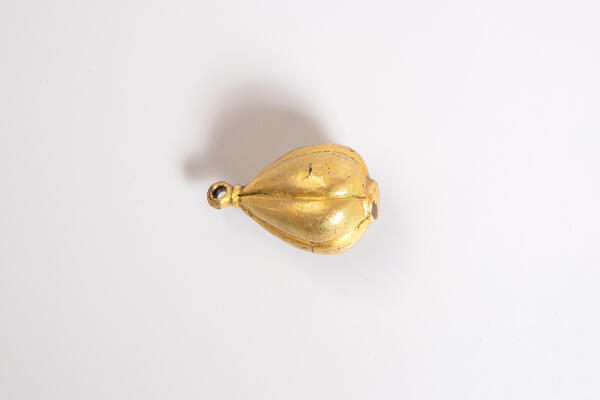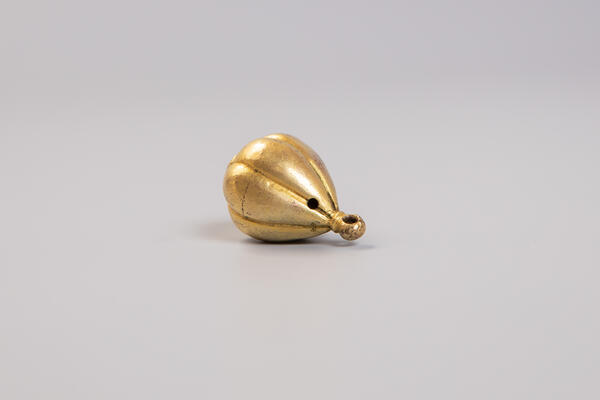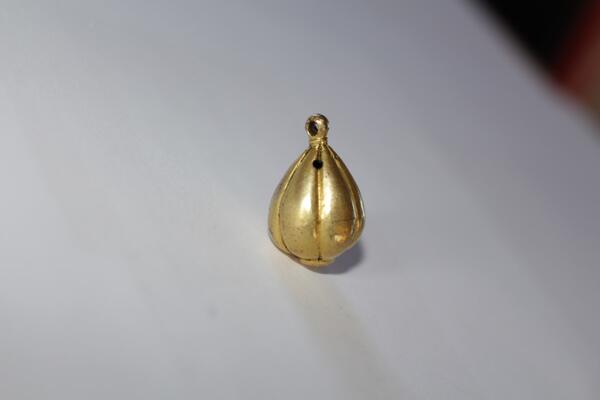
One of the valuable artifacts in the collection of the Museum “The Smolensk Fortress” is a massive cast button, which was made of silver and gilded. The material from which the exhibit is made helps to expand the understanding of the subject.
The fact is that the Department of Stone Affairs, which was actually a state corporation for the construction of fire-resistant brick buildings and the core of the construction of the Smolensk fortress wall, was also directly related to mining.
In the 17th century, it was the Department of Stone Affairs that was entrusted with the mission of searching for potential silver deposits. At that time, this metal was not yet mined in Russia in sufficient quantities to give up European supplies.
Unlike the construction of the Smolensk fortress, this task was a failure. Peter I created a new organizational structure, which was called the Ore Department, and was later renamed in the European manner — the Berg Collegium.
Somewhat later, in the 18th century, the extraction of Russian silver nevertheless made it possible to obtain the volumes necessary for the needs of the state, primarily for minting coins. Until that moment, silver was supplied from Europe — both from the mainland of the continent and from overseas colonies, including America. Silver came to Russia in ingots.
All this suggests that this massive silver button, or rather the metal that was used to cast it, has come a long way before it ended up in the hands of a Russian artisan. Perhaps it even arrived from across the ocean and was obtained through barter — exchanged for furs, wax or other goods. This is supported by the fact that the city of Smolensk acted as the center of foreign trade in Eastern Europe in the 16th and 17th centuries.
The button from the exhibition has a pear-shaped body. The artisan narrowed the wide central part on both sides. At the same time, he executed specific vertical grooves. They created the effect of lobules, thanks to which the button began to resemble garlic, which has been used in Russian cuisine since the 9th century.
The fact is that the Department of Stone Affairs, which was actually a state corporation for the construction of fire-resistant brick buildings and the core of the construction of the Smolensk fortress wall, was also directly related to mining.
In the 17th century, it was the Department of Stone Affairs that was entrusted with the mission of searching for potential silver deposits. At that time, this metal was not yet mined in Russia in sufficient quantities to give up European supplies.
Unlike the construction of the Smolensk fortress, this task was a failure. Peter I created a new organizational structure, which was called the Ore Department, and was later renamed in the European manner — the Berg Collegium.
Somewhat later, in the 18th century, the extraction of Russian silver nevertheless made it possible to obtain the volumes necessary for the needs of the state, primarily for minting coins. Until that moment, silver was supplied from Europe — both from the mainland of the continent and from overseas colonies, including America. Silver came to Russia in ingots.
All this suggests that this massive silver button, or rather the metal that was used to cast it, has come a long way before it ended up in the hands of a Russian artisan. Perhaps it even arrived from across the ocean and was obtained through barter — exchanged for furs, wax or other goods. This is supported by the fact that the city of Smolensk acted as the center of foreign trade in Eastern Europe in the 16th and 17th centuries.
The button from the exhibition has a pear-shaped body. The artisan narrowed the wide central part on both sides. At the same time, he executed specific vertical grooves. They created the effect of lobules, thanks to which the button began to resemble garlic, which has been used in Russian cuisine since the 9th century.