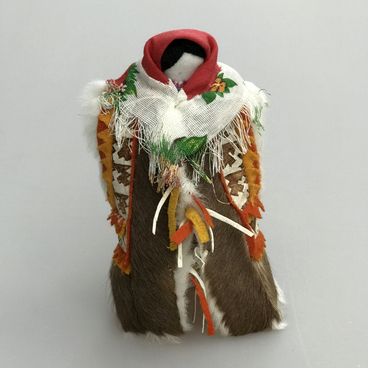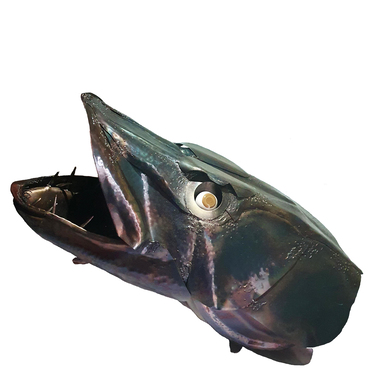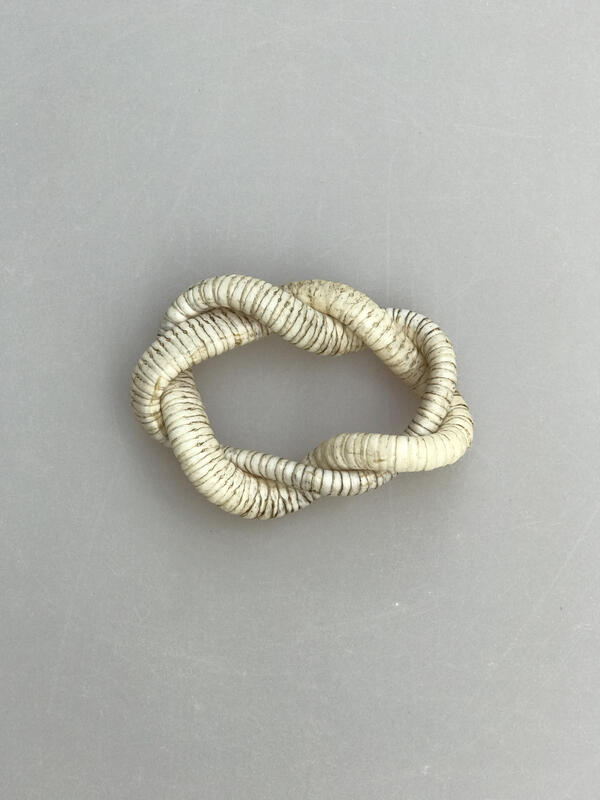
Games and toys of the Ob Ugrians have always been a significant part of traditional culture. They imitated traditional crafts and household activities of adults and helped the Khanty children learn useful skills since early childhood.
In a traditional Khanty family, children were taught to make toys by themselves. For example, boys were given a small knife to cut different figurines out of wood. Girls were given a small sewing kit for sewing a traditional ‘akan’ doll.
Toys for girls were closely related to their future role of a housewife. In addition to the traditional rag dolls, there were dishes made of birch bark and even miniature devices for making skins such as scrapers and staples. The Khanty people believed that a girl who could sew toys would become a good housewife. That is why the future bride was judged by the crafts she did during her childhood. The best gift for a girl was a sewing case, ‘tutchan’, which contained tendon threads, beads, pieces of fabric, and fur.
The first gifts for the boys were a small noose for animals (a tool of the future reindeer herder), a bow with arrows, miniature copies of sleds and boats, and some other items that helped the child learn traditional crafts.
Natural materials were usually used to make toys, such as birch bark, clay, wood, fur, and leather. The bones of animals or birds, their paws, tails, and feathers could also serve as toys. For example, rattles made of birch bark or dried bird’s bladder were made for very young children. Pellets or pebbles were placed inside, and then the toys were hung above the cradle. The Khanty believed that rattles, bells, and sleigh bells scared evil spirits away.
For older children, the Khanty made puzzles that developed mental acumen and logical thinking. For example, there were logic puzzles with household items, lace puzzles that taught the skill of tying, or wooden ones, in which elements had to be detached from each other.
Deer figurines were popular toys for children of the northern peoples, since their way of life was inextricably connected with deer breeding. Both boys and girls of various ages played with these toys. They were made of wooden bars, pieces of deer fur, duck noses with a bird’s breast bone pushed through the breathing holes, or thin chips that were bent and broken so that the deer toy had a head, horns, and legs.
In a traditional Khanty family, children were taught to make toys by themselves. For example, boys were given a small knife to cut different figurines out of wood. Girls were given a small sewing kit for sewing a traditional ‘akan’ doll.
Toys for girls were closely related to their future role of a housewife. In addition to the traditional rag dolls, there were dishes made of birch bark and even miniature devices for making skins such as scrapers and staples. The Khanty people believed that a girl who could sew toys would become a good housewife. That is why the future bride was judged by the crafts she did during her childhood. The best gift for a girl was a sewing case, ‘tutchan’, which contained tendon threads, beads, pieces of fabric, and fur.
The first gifts for the boys were a small noose for animals (a tool of the future reindeer herder), a bow with arrows, miniature copies of sleds and boats, and some other items that helped the child learn traditional crafts.
Natural materials were usually used to make toys, such as birch bark, clay, wood, fur, and leather. The bones of animals or birds, their paws, tails, and feathers could also serve as toys. For example, rattles made of birch bark or dried bird’s bladder were made for very young children. Pellets or pebbles were placed inside, and then the toys were hung above the cradle. The Khanty believed that rattles, bells, and sleigh bells scared evil spirits away.
For older children, the Khanty made puzzles that developed mental acumen and logical thinking. For example, there were logic puzzles with household items, lace puzzles that taught the skill of tying, or wooden ones, in which elements had to be detached from each other.
Deer figurines were popular toys for children of the northern peoples, since their way of life was inextricably connected with deer breeding. Both boys and girls of various ages played with these toys. They were made of wooden bars, pieces of deer fur, duck noses with a bird’s breast bone pushed through the breathing holes, or thin chips that were bent and broken so that the deer toy had a head, horns, and legs.