Trays were widely used in the ancient world, some samples from museum collections date back to the times of Ancient Egypt. In Europe during the Middle Ages, trays were called salvare, which translated as “to save”. This name was given to the object because the food that was carried out on the tray had already been tested to detect poison.
In Russia, the first similar products date back to the 13th century. In Russian culture, various round and oval dishes were originally used to serve food. In poor houses, they were made of wood; for wealthy people, food was served on pewter, copper and silver dishes. The latter were very expensive and were considered of great value; therefore, they were used only on holidays.
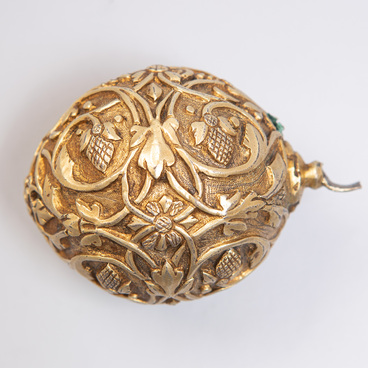
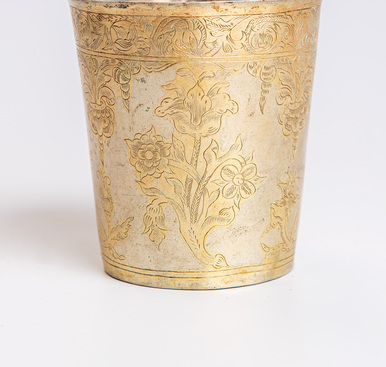
Pies, gingerbread, nuts, sweets and other dishes were served on trays, as well as drinks in glasses. Artisans decorated metal trays and dishes with various patterns and symbols using chasing and engraving techniques, enamel and precious stones. Such trays were often included in the wills of wealthy people. In the 16th and 17th centuries, foreigners wrote about the presence of such gold and silver items at Russian royal feasts.
Trays and dishes were used for ceremonial purposes. For example, when the tsar was anointed, his scepter and orb were carried out on a platter. During the consecration of water, the cross also lay on a tray. Often, trays and dishes became a contribution to monasteries and churches — this gift was to ensure the health of loved ones.
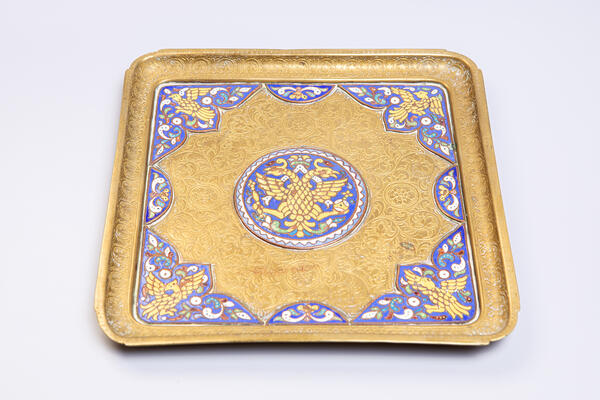
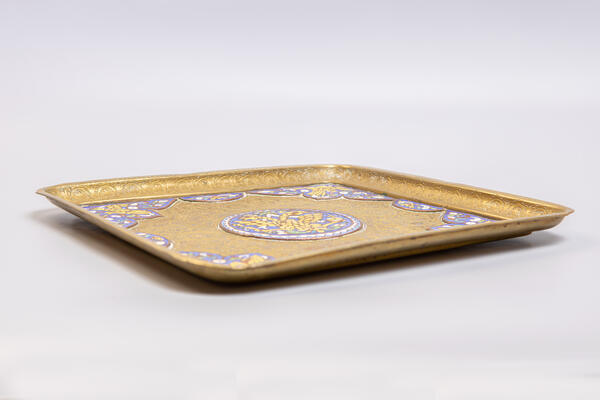
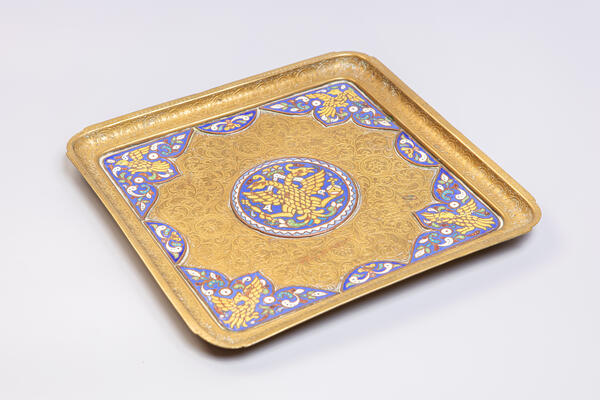
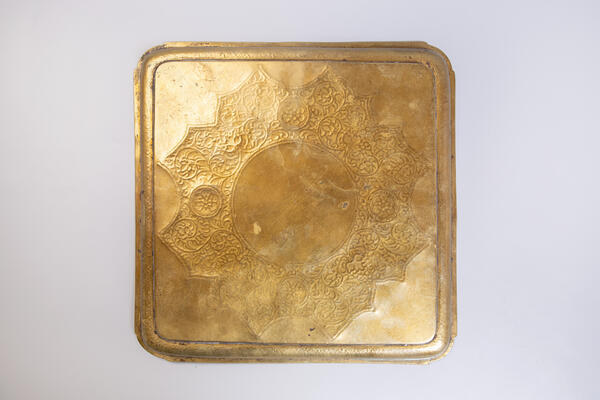
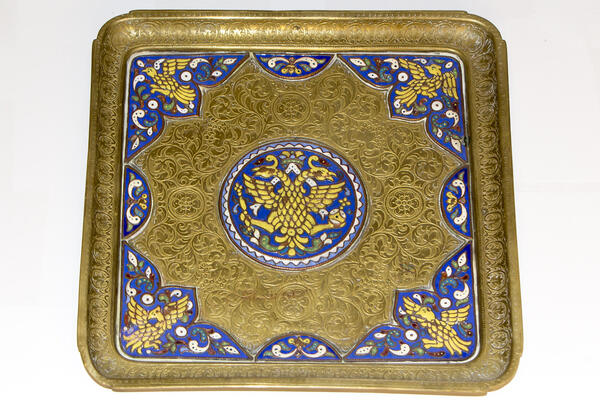
The tray from the collection of the Museum “The Smolensk Fortress” was made in the 18th century. The symbol of the Russian state — the eagle — is made in the technique of cloisonné enamel. Behind his two heads is a ribbon, which the artisan adorned with a crown. In its claws, the eagle holds a scepter and orb. The tray combines blue, light blue, white, yellow, brown and green enamels.
In the 18th century, state symbols can often be found on household items and textile products, for example, on linen fabrics of Russian manufactories. This symbol could be seen on official papers, milestones, money, signs of state taverns, and buttons.
In Russia, the first similar products date back to the 13th century. In Russian culture, various round and oval dishes were originally used to serve food. In poor houses, they were made of wood; for wealthy people, food was served on pewter, copper and silver dishes. The latter were very expensive and were considered of great value; therefore, they were used only on holidays.
Pies, gingerbread, nuts, sweets and other dishes were served on trays, as well as drinks in glasses. Artisans decorated metal trays and dishes with various patterns and symbols using chasing and engraving techniques, enamel and precious stones. Such trays were often included in the wills of wealthy people. In the 16th and 17th centuries, foreigners wrote about the presence of such gold and silver items at Russian royal feasts.
Trays and dishes were used for ceremonial purposes. For example, when the tsar was anointed, his scepter and orb were carried out on a platter. During the consecration of water, the cross also lay on a tray. Often, trays and dishes became a contribution to monasteries and churches — this gift was to ensure the health of loved ones.
The tray from the collection of the Museum “The Smolensk Fortress” was made in the 18th century. The symbol of the Russian state — the eagle — is made in the technique of cloisonné enamel. Behind his two heads is a ribbon, which the artisan adorned with a crown. In its claws, the eagle holds a scepter and orb. The tray combines blue, light blue, white, yellow, brown and green enamels.
In the 18th century, state symbols can often be found on household items and textile products, for example, on linen fabrics of Russian manufactories. This symbol could be seen on official papers, milestones, money, signs of state taverns, and buttons.