

The oldest books in China were written on wooden slips. Presumably, books existed in such a form from the period of the Shang to the Jin dynasty (16th–9th century BC), until they were replaced by paper.
“The Book of Songs”, “The Nine Chapters of the Mathematical Art” and “Records of the Grand Historian” by Sima Qian (late 2nd century BC) were written on such tablets. The latter is the first and most voluminous Chinese chronicle that covers the period of at least 2000 years: from the reign of the mythical Emperor Huangdi to Emperor Wu of Han, a contemporary of the author. This book consists of more than 500 thousand hieroglyphic characters.
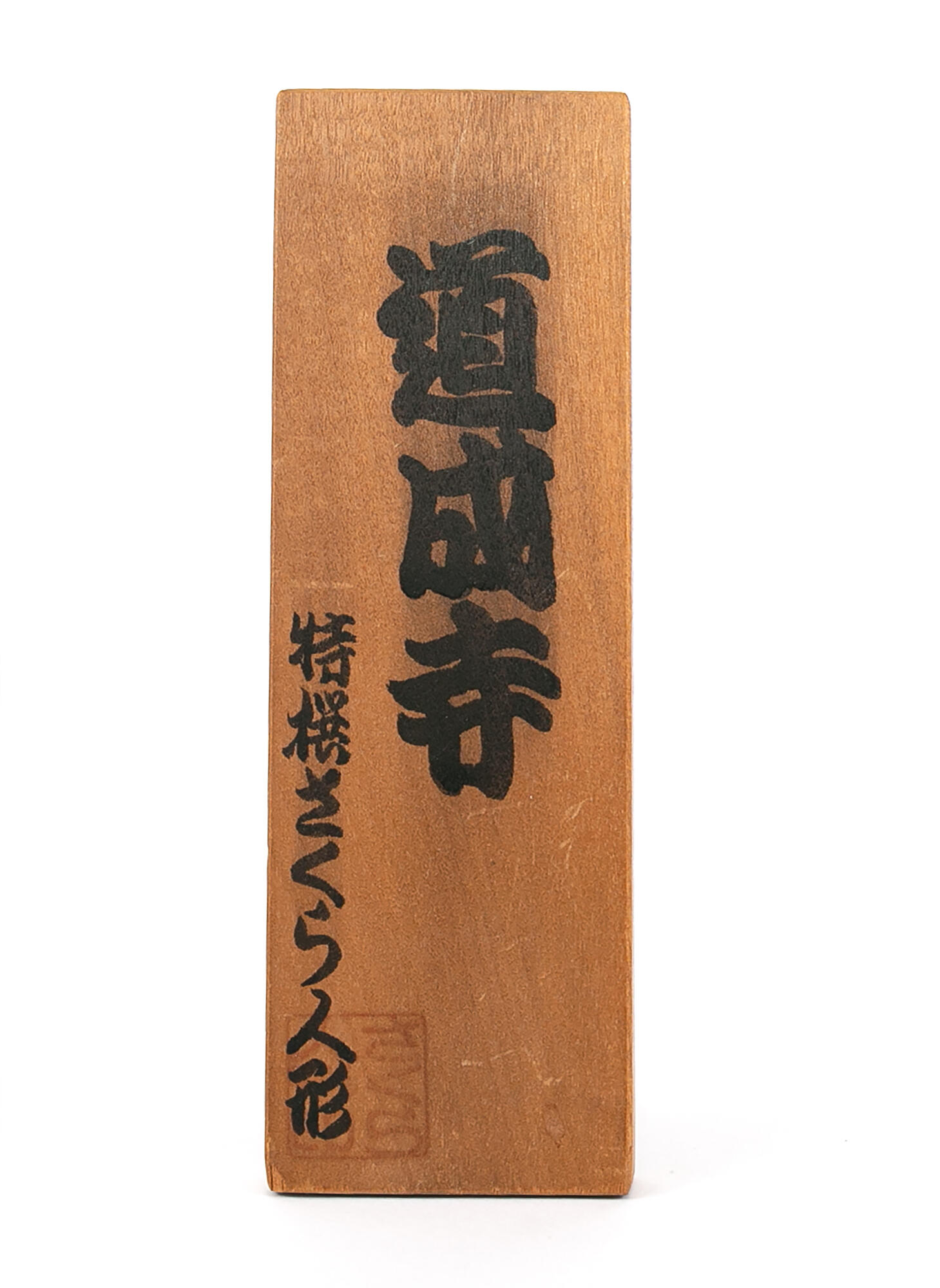
Researchers have created a classification of six types of tablets for writing, the most popular were single- and double-columned “jian” tablets. “Du” were made of wood or bamboo; they were wider and more spacious;. “gu” consisted of long — more than 30 centimeters — slips, where each face was filled with writing. “Fengjian” were intended for official documentation or especially important letters and were sealed during transportation. Special wooden tablets called “jie” were used as labels for other books.
Bamboo as the main writing medium was popular in the southern regions. To make tablets, the stems were cut into internodes, then split into strips and dried over a fire to protect against rot and worms. Before the slip was ready for writing, its surface was polished to a shine.
The ink was made from the thick gray sap of the lacquer tree. This material was durable and did not fade in the sun. The inscriptions were applied with a special brush, and the stains were scraped off with a small blade. After finishing writing, the person would sign the tablet with their name and sometimes put the number of characters on the last “page”.
One column included from ten to forty characters, and a book could consist of several thousand slips that were tied together with silk or hemp threads. Often, the last slip played the role of a pole around which the rest of the text was wound. A bundle of tablets was tied with a rope or put away in a special box.
The subjects of such texts
were diverse: documents and personal correspondence, calendars, works of art, messages for placing at the burial next to
the deceased, and works of calligraphy.