

The All-Union Pioneer Organization, which largely grew out of the Western Scout Movement is considered to have been established on May 19, 1922.
Back in the early 20th century, the English military intelligence officer Robert Baden-Powell conducted an experiment: he organized a ten-day camping event on an island with 22 teenage boys, where they learned necessary skills for living in the field while informally communicating with a senior mentor. The experiment turned out to be a success, and Powell described it in the book “Scouting for Boys” (1907). In 1909, by personal order of Emperor Nicholas II, the book was published in Russian. At the same time, the first detachment of young scouts “Beavers” appeared, whose motto was “Loyalty to God, the Tsar, and the Fatherland”. Thus, by 1917, the Scout Movement in the Russian Empire was already flourishing.
In 1919, it was decided to disband the “bourgeois” detachments. However, two years later, Nadezhda Krupskaya recalled them in a corresponding report. According to this report, the methods of scouting were recognized as “excellent knowledge of the psychology of adolescents”, and it was decided to include them “both in the practice of the Revolutionary Communist Youth Union <…> and in the practice of unified labor schools.”
Innokenty Nikolaevich Zhukov, a teacher and scouting movement enthusiast, took up the idea. He also suggested using the term “pioneer” for the new movement.
Anton Semyonovich Makarenko also spoke with respect about the “external forms of scouting”, insisting that they should be relied upon when creating child and adolescent labor collectives, in particular, “to bring <…> the beginning of games <…> interesting and vivid forms of collective movements.”
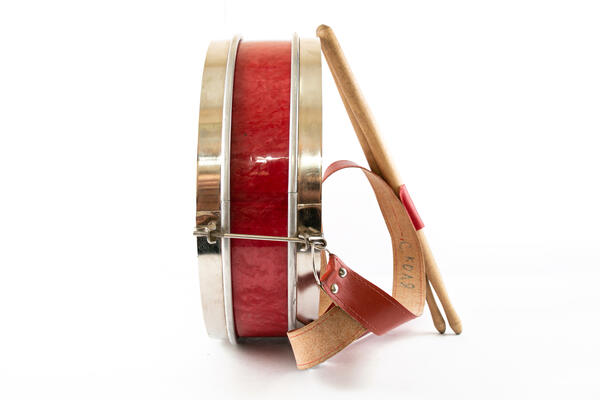
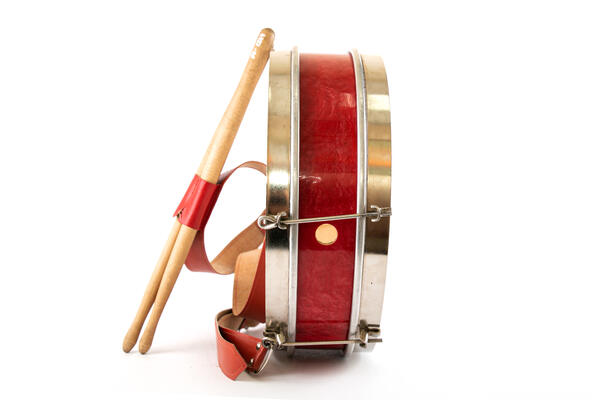
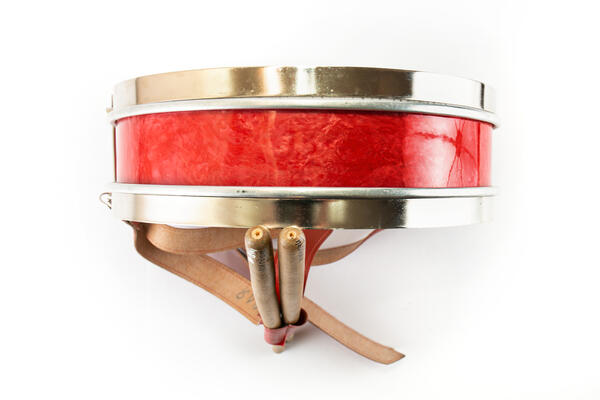
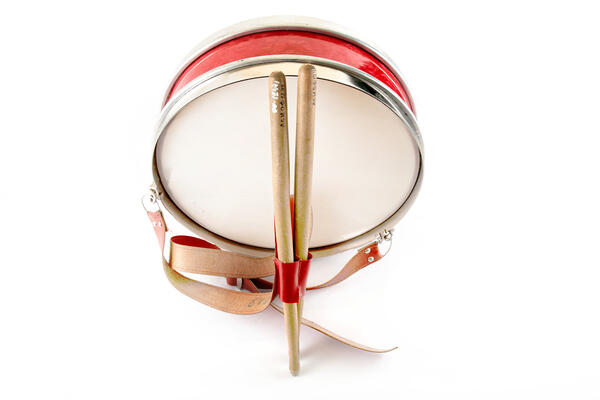
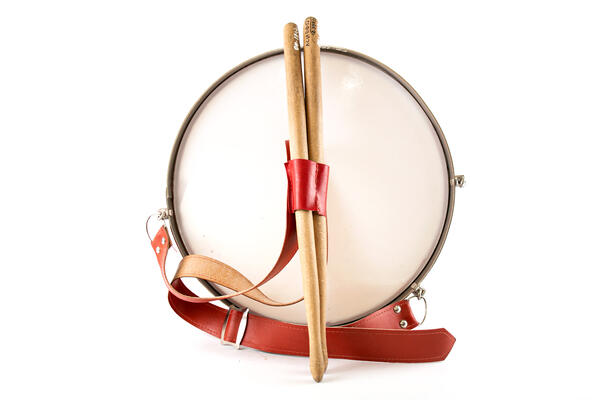
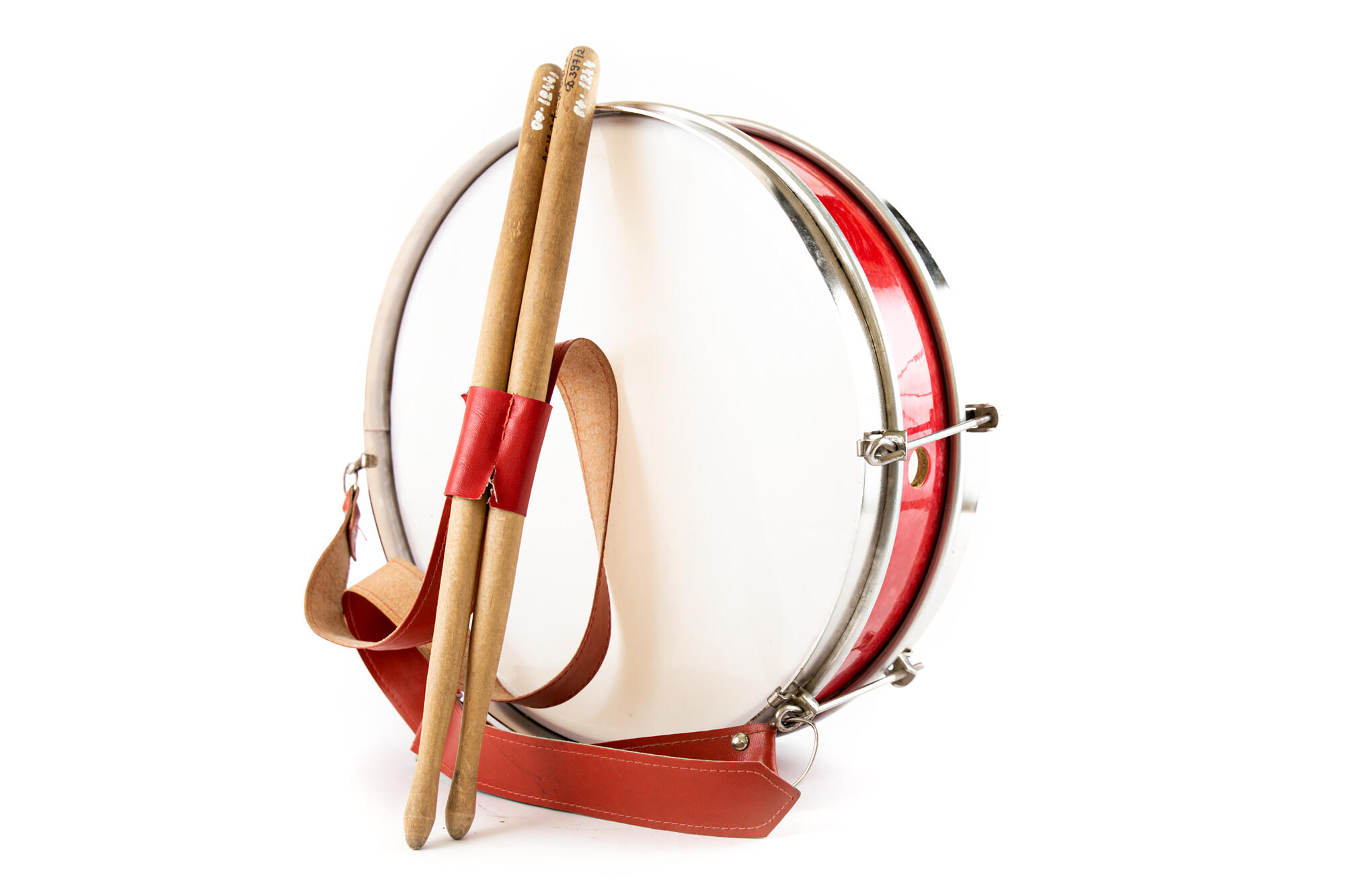
The red drum with a shoulder strap became one of the symbols of the pioneers and their indispensable “companion”. The position of a drummer, as well as a bugler, was elective and responsible, and they were mandatory attributes of any important activity: awards, marches, lineups, trooping the banner. During drills, the drummer stood on the right flank, during the passage of the detachment, he followed the standard-bearer and gave the go-ahead, setting the marching pace.
Drummers devoted a lot of time
to rehearsals, learned drills, various calls, techniques, and were required to perform rolls and several different
marches.