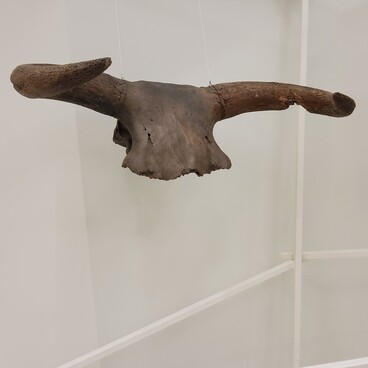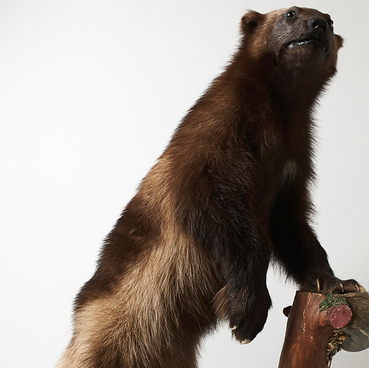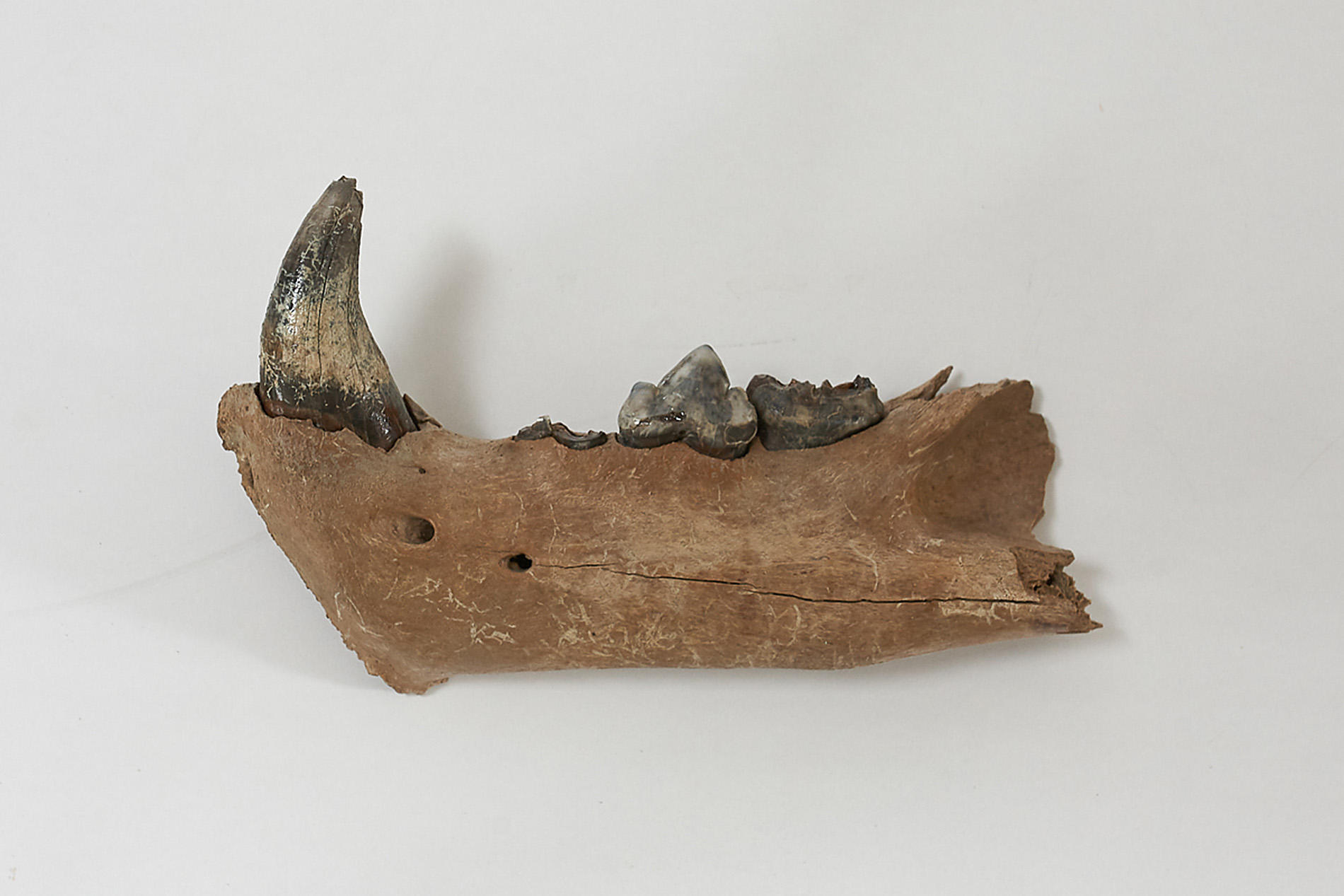


In autumn 2018, remains of an ice age cave lion were discovered by miners in the tunnel face of a coal mine in Kemerovo region.
This subspecies of lions inhabited Europe and Siberia in the Pleistocene era. Previously, it was considered a separate species of the cat family, but now it is established that, although clearly distinct, it still was a subspecies of the lion.
These huge prehistoric cats appeared on Earth about 350 thousand years ago and successfully survived several glaciations, during which they even made their way deep to the north. Their ancestor was an ancient, unusually large Mosbach lion who appeared in Europe 700 thousand years ago.
Footprints of a cave lion are found in the circumpolar regions. It fed on reindeer and, perhaps, on cave bear cubs. In addition, the predators hunted for wild horses, antelopes, bison, and could even kill senile or young mammoths.
The cave lion’s habitat embraced all of Eurasia. Moreover, the largest individuals were found in northeast Asia. Subsequently, they became an independent subspecies called the East Siberian, or Bering, cave lion.
During one of the ice ages, cave lions moved along the frozen Bering Straits and reached America, where they settled over a vast territory, becoming the ancestors of American lions.
The skeleton of an adult cave lion excavated in Germany in 1985 makes it possible to judge the size of the beast. Its height at the withers was 120 cm and the length of the body without the tail was 210 cm. Only a very large modern lion could boast such dimensions. In Yakutia, mummies of cave lion cubs were found well preserved in the ice. They were named Spartacus and Boris. However, later it was discovered that Spartacus was a girl.
The rock paintings of the Stone Age that have come down to us shed light on the external appearance of the cave lion. Amazing images of predators were found in the caves of Chauvet and Vogelherd. Ancient artists painted these animals without a mane, but with the familiar brush on the tail.
In cold weather, the animal’s fur was fluffy, with the longest hair located on the scruff, neck and belly, as in the Ussuri tigers. Its fur was unicolored, grayish-beige, with milky white or cream-colored paws. The head is quite large with powerful, developed jaws.
These beautiful, strong beasts lived in prides. This is evidenced by an amazing find, a leg bone with traces of inflammation. The sick lion could not hunt, but until his recovery his relatives shared food with him.
Predators frolicked on the steppe plains, visiting their caves only by necessity. Old individuals used them as a protected refuge. It was under the cave vaults that the lions said goodbye to life, so their remains were preserved there.
However, when gradual warming of the climate began, prey became sparser and sparser. Lions, whose diet got depleted to the limit, became extinct about 10-14 thousand years ago. Let us hope that the modern felines who don’t mind any living creatures in their diet, are not facing immediate extinction.
This subspecies of lions inhabited Europe and Siberia in the Pleistocene era. Previously, it was considered a separate species of the cat family, but now it is established that, although clearly distinct, it still was a subspecies of the lion.
These huge prehistoric cats appeared on Earth about 350 thousand years ago and successfully survived several glaciations, during which they even made their way deep to the north. Their ancestor was an ancient, unusually large Mosbach lion who appeared in Europe 700 thousand years ago.
Footprints of a cave lion are found in the circumpolar regions. It fed on reindeer and, perhaps, on cave bear cubs. In addition, the predators hunted for wild horses, antelopes, bison, and could even kill senile or young mammoths.
The cave lion’s habitat embraced all of Eurasia. Moreover, the largest individuals were found in northeast Asia. Subsequently, they became an independent subspecies called the East Siberian, or Bering, cave lion.
During one of the ice ages, cave lions moved along the frozen Bering Straits and reached America, where they settled over a vast territory, becoming the ancestors of American lions.
The skeleton of an adult cave lion excavated in Germany in 1985 makes it possible to judge the size of the beast. Its height at the withers was 120 cm and the length of the body without the tail was 210 cm. Only a very large modern lion could boast such dimensions. In Yakutia, mummies of cave lion cubs were found well preserved in the ice. They were named Spartacus and Boris. However, later it was discovered that Spartacus was a girl.
The rock paintings of the Stone Age that have come down to us shed light on the external appearance of the cave lion. Amazing images of predators were found in the caves of Chauvet and Vogelherd. Ancient artists painted these animals without a mane, but with the familiar brush on the tail.
In cold weather, the animal’s fur was fluffy, with the longest hair located on the scruff, neck and belly, as in the Ussuri tigers. Its fur was unicolored, grayish-beige, with milky white or cream-colored paws. The head is quite large with powerful, developed jaws.
These beautiful, strong beasts lived in prides. This is evidenced by an amazing find, a leg bone with traces of inflammation. The sick lion could not hunt, but until his recovery his relatives shared food with him.
Predators frolicked on the steppe plains, visiting their caves only by necessity. Old individuals used them as a protected refuge. It was under the cave vaults that the lions said goodbye to life, so their remains were preserved there.
However, when gradual warming of the climate began, prey became sparser and sparser. Lions, whose diet got depleted to the limit, became extinct about 10-14 thousand years ago. Let us hope that the modern felines who don’t mind any living creatures in their diet, are not facing immediate extinction.