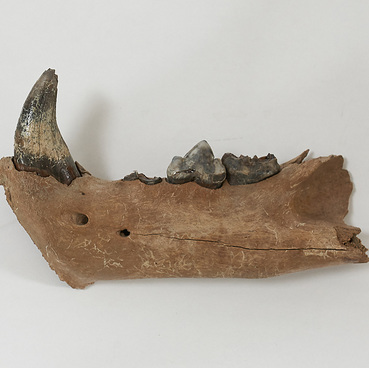


The aurochs is a representative of the large Bovidae family of cloven-hoofed mammals and is considered to be less massive than its descendant, the domestic bull. The animal’s constitution was rather lightweight, its chest was not very wide and its legs were long. The body shape of the aurochs was muscular and slender, its height at the shoulders reached 1.8 and according to some reports even 2 meters, its weight was around 700-800 kilograms.
The coat color of males and females varied, as is often the case in the animal kingdom. Adult bulls were black and had a white stripe running down the spine. Cows and young bulls were distinguished by a reddish-brown color. The coat was dense and very thick, which allowed the animals to easily tolerate even the harshest of winters.
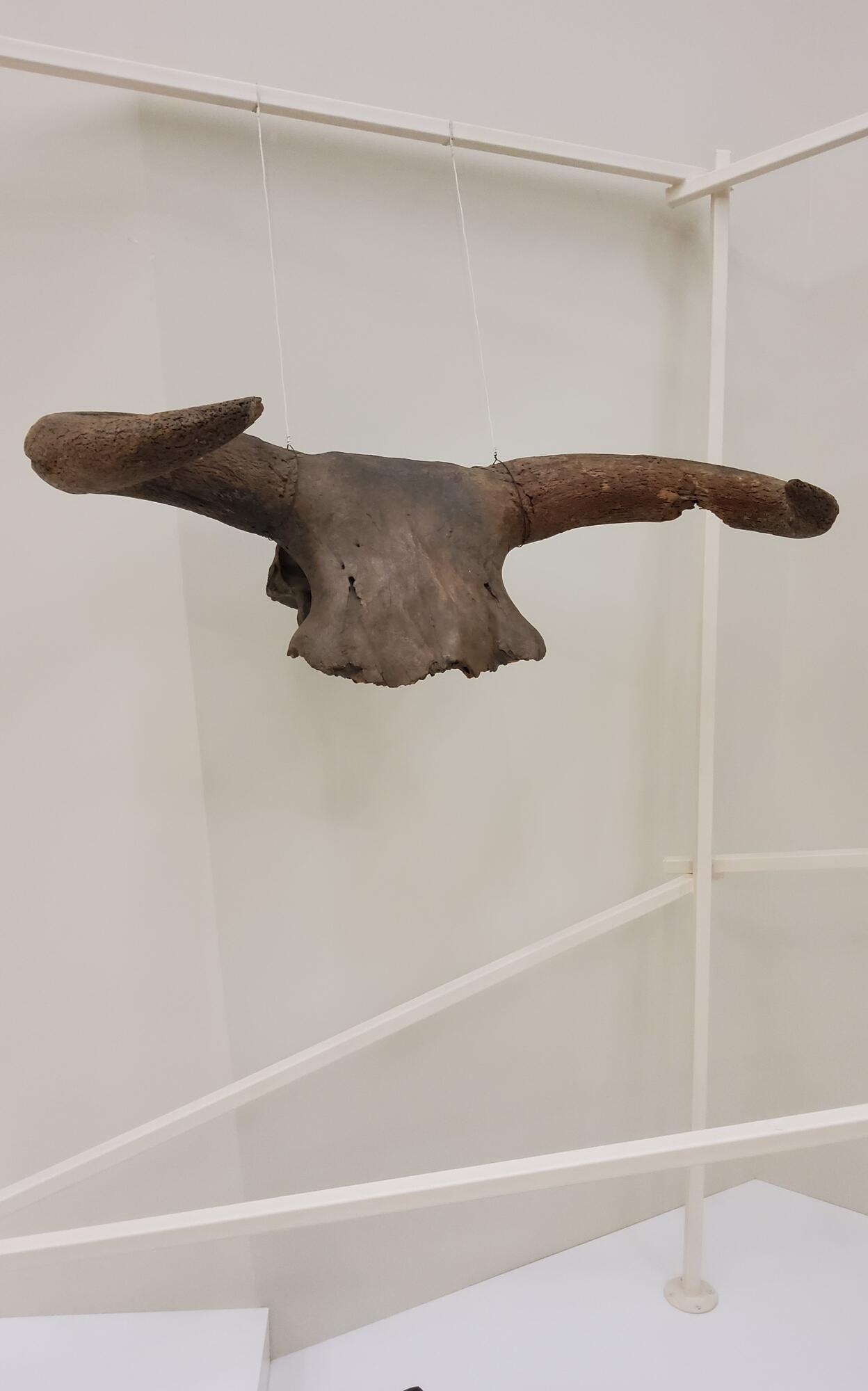
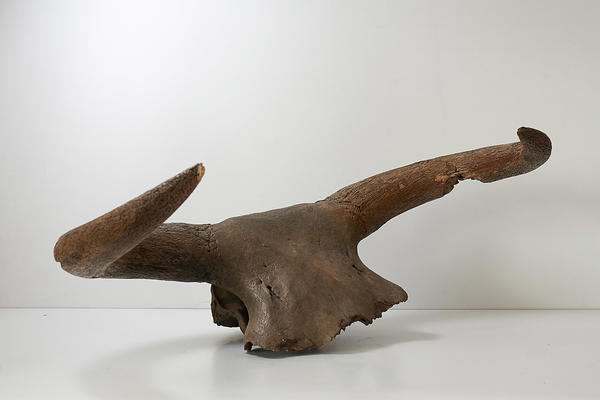
The massive sharp horns crowning the head of the aurochs were not only for beauty but were also a dangerous weapon against rivals — they could reach up to 1 meter in length. The horns were located on the sides of the skull and were curved forwards. The horns' tips were curved upwards. Thanks to this decoration, the aurochs were unsurpassed close combat masters — much more effective than their modern domestic relatives.
The lifespan of the aurochs was around a decade and a half, and few could call their life easy. These animals inhabited the steppes and over time became a constant subject of hunting for all those who wouldn’t mind feasting on their meat. Gradually, the aurochs were forced out into forests and wooded steppe areas, where tall plants blocked hunters’ way, which meant that animals had more chances and time to escape.
The transition to a forest lifestyle was not instantaneous. Initially, the situation developed like this: animals grazed in the steppes in summer, where there was enough food for everyone, and in winter, when the steppe froze out, the aurochs moved to the depths of the forests, where something edible could still be found. The aurochs fed on grass, plant shoots, leaves of trees and shrubs.
The proud bull had little if any enemies among other animals. Small predators like wolves were dangerous only to young and weakened animals. Only huge carnivores such as bears, lions, as well as tigers, who were found in the same area as the bulls, ventured on attacking an adult animal from an aurochs herd.
Like their descendants, the aurochs formed herds where reigned matriarchy — the herds were always controlled by a cow. In the herd, the population was strictly divided into groups: young bulls formed their own company, older animals preferred solitude, females with calves stayed in the depths of the forest in an attempt to shelter their young ones from hunters.
The aurochs’ migration to the woods could not save them from extinction. And the main reason for that was man, who at first tirelessly hunted the horned beauties down and then forced them out of their feeding grounds with its fields and pastures for livestock.
The coat color of males and females varied, as is often the case in the animal kingdom. Adult bulls were black and had a white stripe running down the spine. Cows and young bulls were distinguished by a reddish-brown color. The coat was dense and very thick, which allowed the animals to easily tolerate even the harshest of winters.
The massive sharp horns crowning the head of the aurochs were not only for beauty but were also a dangerous weapon against rivals — they could reach up to 1 meter in length. The horns were located on the sides of the skull and were curved forwards. The horns' tips were curved upwards. Thanks to this decoration, the aurochs were unsurpassed close combat masters — much more effective than their modern domestic relatives.
The lifespan of the aurochs was around a decade and a half, and few could call their life easy. These animals inhabited the steppes and over time became a constant subject of hunting for all those who wouldn’t mind feasting on their meat. Gradually, the aurochs were forced out into forests and wooded steppe areas, where tall plants blocked hunters’ way, which meant that animals had more chances and time to escape.
The transition to a forest lifestyle was not instantaneous. Initially, the situation developed like this: animals grazed in the steppes in summer, where there was enough food for everyone, and in winter, when the steppe froze out, the aurochs moved to the depths of the forests, where something edible could still be found. The aurochs fed on grass, plant shoots, leaves of trees and shrubs.
The proud bull had little if any enemies among other animals. Small predators like wolves were dangerous only to young and weakened animals. Only huge carnivores such as bears, lions, as well as tigers, who were found in the same area as the bulls, ventured on attacking an adult animal from an aurochs herd.
Like their descendants, the aurochs formed herds where reigned matriarchy — the herds were always controlled by a cow. In the herd, the population was strictly divided into groups: young bulls formed their own company, older animals preferred solitude, females with calves stayed in the depths of the forest in an attempt to shelter their young ones from hunters.
The aurochs’ migration to the woods could not save them from extinction. And the main reason for that was man, who at first tirelessly hunted the horned beauties down and then forced them out of their feeding grounds with its fields and pastures for livestock.