

The history of machines for typing text can be traced back to the 18th century. In 1714, Englishman Henry Mill obtained a patent for a machine capable of sequentially inputting characters, and almost a century later, in 1808, the Italian master Pellegrino Turri presented his invention. Descriptions of these devices have not been preserved.
In 1870, the Russian Empire had its own “quick writer” designed by Mikhail Ivanovich Alisov to make the work of the scribes easier. The model received commendable reviews and medals at exhibitions in Vienna, Philadelphia and Paris, but never caught on due to high cost.
In 1874, the first-ever serial production of “Remington 1” typewriters was launched, which was designed by Christopher Scholes, Samuel Soule and Carlos Glidden. In the first ten years, more than a hundred thousand pieces were sold, two of which ended up on the desks of Leo Tolstoy and Mark Twain. The typewriter’s keys were located on vertical levers like caps on nails.
The next big name in the history of typewriters was John Underwood. For a long time, his company produced ink ribbons and copy paper for Remington, but then Underwood bought the rights to produce a new model created in 1890 by Franz Wagner. Wagner retained the lever principle, but replaced vertical levers with more convenient horizontal ones.
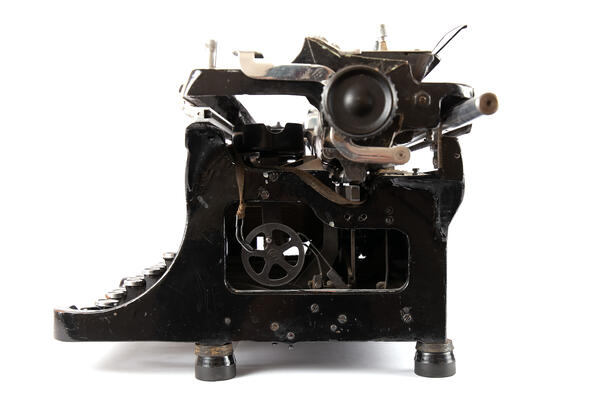
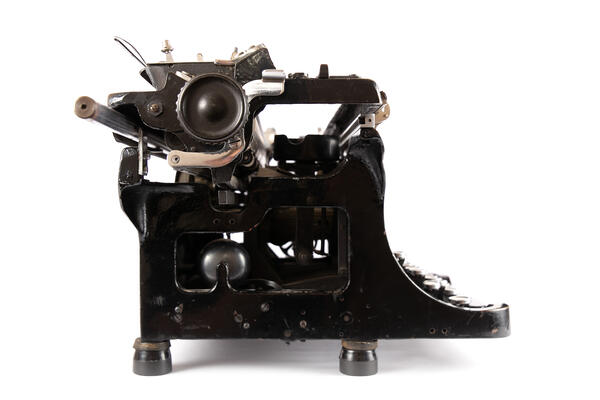
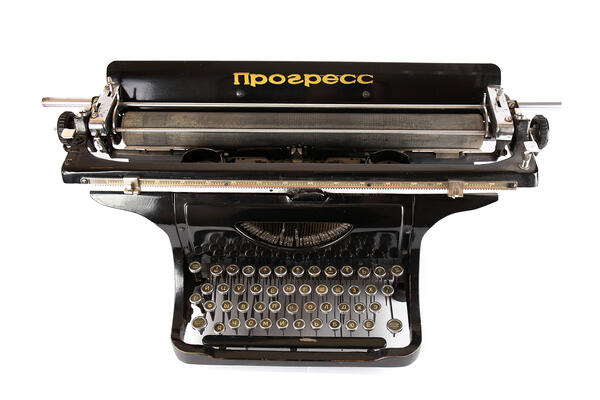
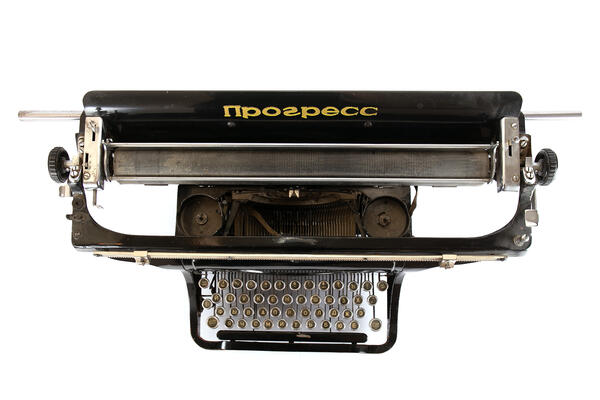
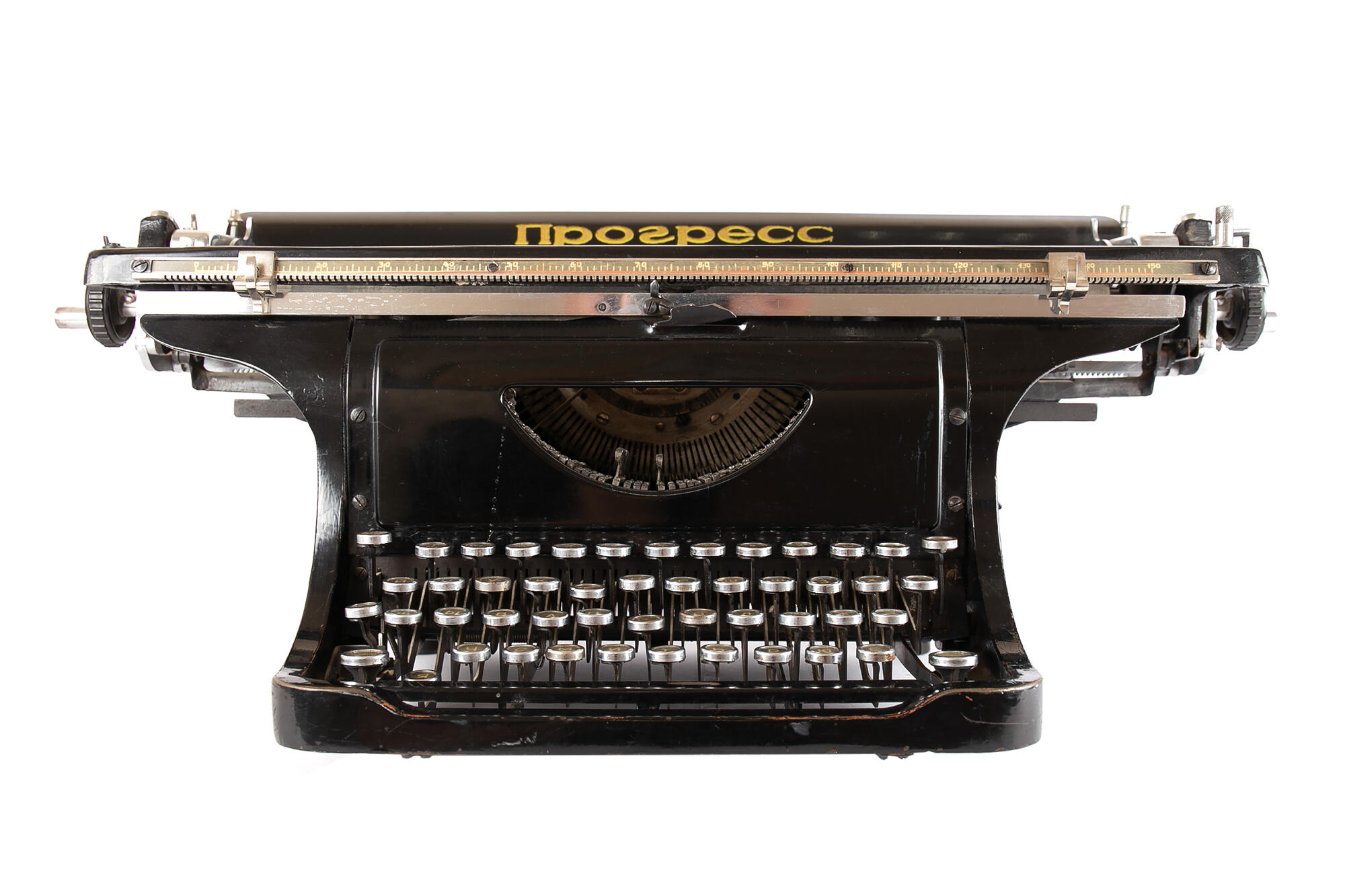
The first Soviet typewriter called “Janalif” (literally “new alphabet”) was produced by the Tatyazmash factory in Kazan in 1928 (German and American typewriters were used before that). Typewriters were produced with fonts for 44 languages of the peoples of the USSR. They were supplied to Turkey, Mongolia, China and other countries. In 1940, the plant switched to the production of “Progress” typewriters with Cyrillic characters. By 1950, one hundred thousand typewriters were made.
In Soviet times, most of the
official documentation was printed on stationery office machines. Writers and
journalists worked on personal portable ones, as publishing houses accepted
only typewritten texts of manuscripts. At the same time, all kinds of receipts,
protocols, statements and autobiographies continued to be written by hand.