

Southeast of Mount Arber in Bavaria is the small market town of Bodenmais. In the 15th century, deposits of silver ore were discovered near Mount Silberberg, and soon the local population mastered the trade of glass production. This marked the beginning of the town’s fame and prosperity. After the Second World War, many glass blowers from Bohemia moved to Bodenmais. Today the town is part of the “Glass Route” in Western Bavaria organized for tourists.
It was here that Josef Kagerbauer Sr. founded the Joska Kristall company in 1960. Over time, it became a record holder for glass blown products. This is where the world’s largest beer glass, the Christmas ball and the Easter egg made of glass were created. In addition to glass and ceramic tableware, the company produces exclusive awards of crystal glass for international sporting events and organizations like the Formula 1, the Tour de France cycling race and the German Football Association. The Steiger Prize for achievements in cinematography, music, and sports is a crystal ball with a coal embedded inside was also made by Joska Kristall.
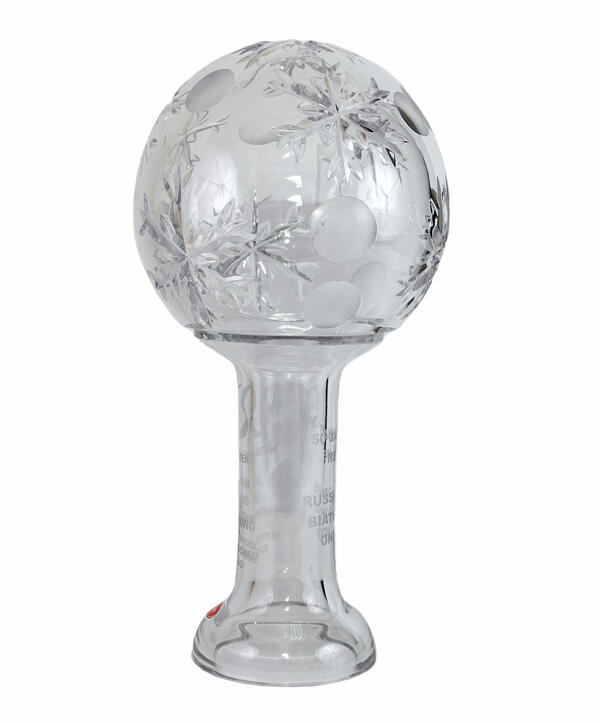
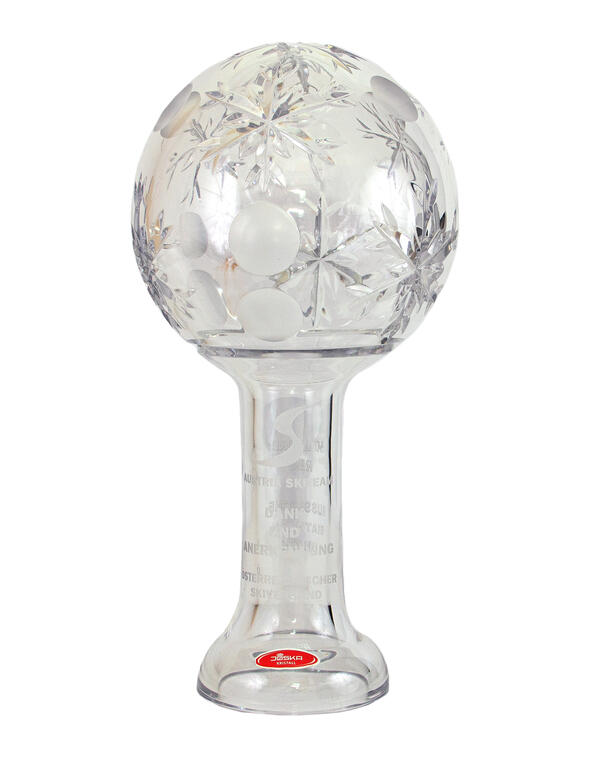
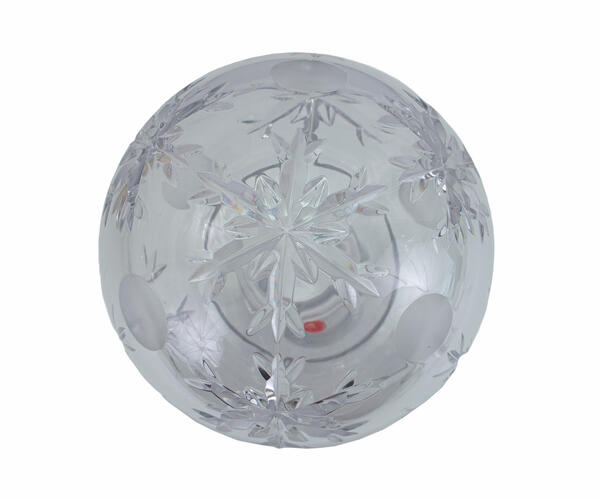
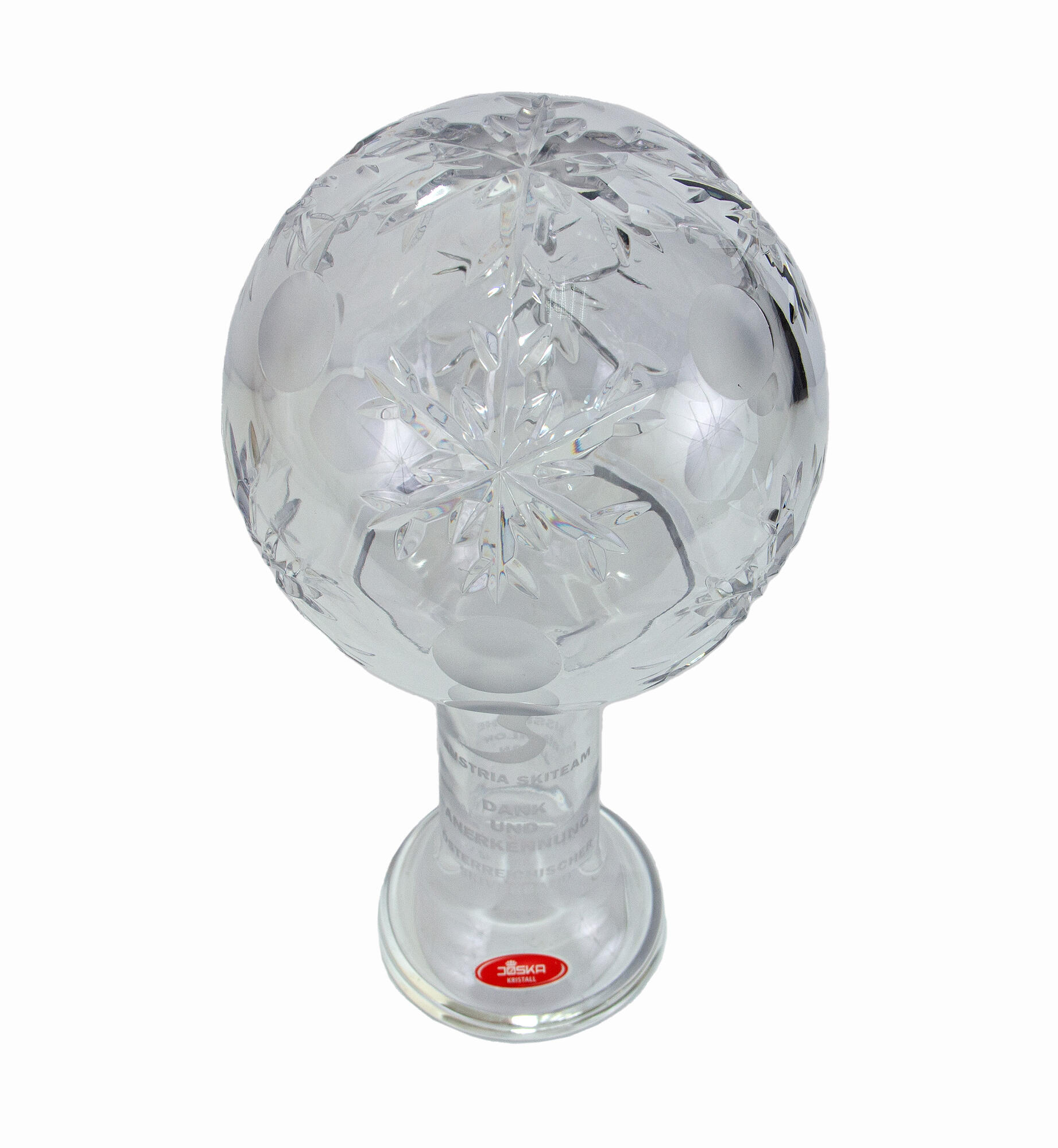
A separate niche is occupied by crystal ball-cups dedicated to winter sports competitions. In 1987, Joska produced the first crystal award for biathletes, and in 1989 — the first crystal globe for the International Ski Federation.
Over the past 25 years, the company has produced at least 2000 items of this kind. Every year, 12 globes made by the Joska company are awarded to the winners of biathlon competitions: two large ones are awarded to the winners of the overall standings, ten small ones — five for men and five for women — are awarded for victories in individual scoring disciplines (relay, individual race, sprint, mass start and pursuit). The cost of one such globe is estimated to be about 1,000 euros.
The making of each item begins with the manufacture of the raw material made of sand, soda ash and limestone. This is followed by blowing the glass into a desired shape. The engraving is done manually, and is the most painstaking part of the whole process. The finished crystal awards are packed in special cases and shipped to the corresponding event.