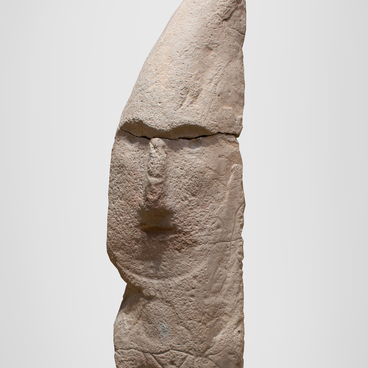
The ancient Khakass state was formed on the Middle Yenisey after the liberation of these lands from the Huns, a nomadic people from Central Asia. Dinlins and new settlers, Kyrgyz, settled here. Dinlins descended from the ancient people of southern Siberia who lived to the north of China. For many centuries the Kyrgyz formed the only ruling dynasty, and therefore the state was called the Kyrgyz Kaganate. The ancient Khakass state turned out to be one of the largest, most developed and long-term states of Siberia in the 1st — early 2nd millennium AD. The state reached the period of its greatest power in the 9th-12th centuries.
The development of mining, metallurgy and various crafts are among the achievements of the ancient Khakass state. The products of local craftsmen were highly valued in many regions. Furs, fragrant musk, fossil mammoth tusks, wood, hunting birds, horses, and livestock products were exported from the Yenisey, in addition to bread and metal products.
The country used a special script –– the Yenisei runic script. Today the inscriptions on the Yenisey tombstones make up the largest group of monuments of ancient writing. More than 80 of them are known today. Stones with epitaphs were placed on the graves of those famous for their feats.
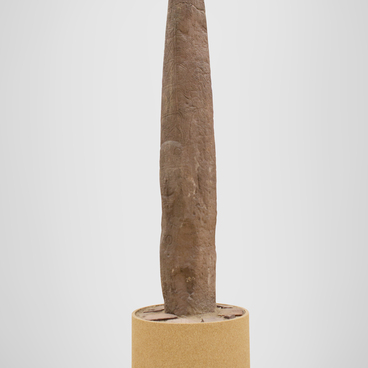
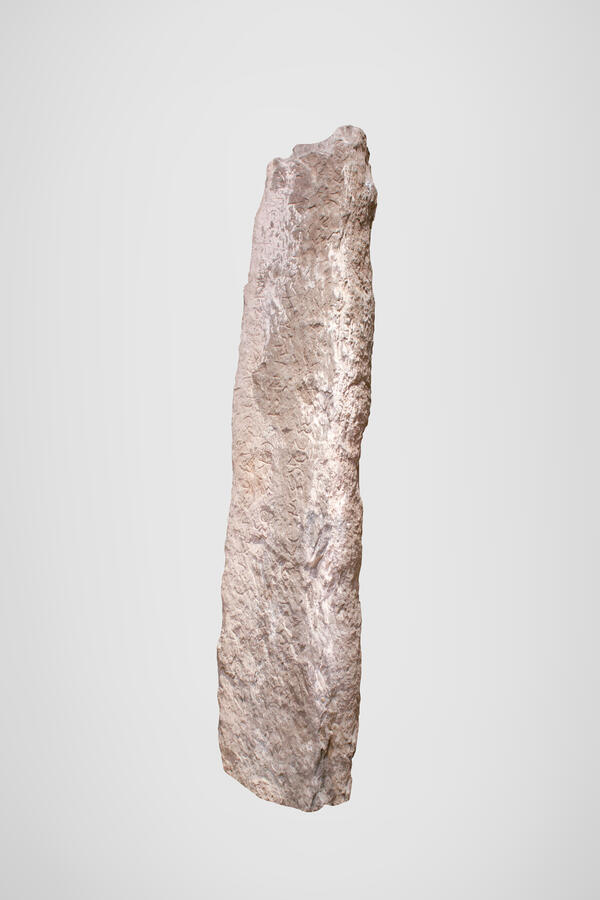
One of these stones was found in 1964 near the Charkov ulus of the Ust-Abakan region on a low hill near the Uybat River, the left tributary of the Abakan River. The sandstone slab was 2.6 meters long, 60 centimeters wide and 18 centimeters thick. On both sides of the slab were three lines of text that reads from right to left. The signs are made with deep grooved lines. Many of them have not survived to this day, have worn out, and the top of the slab is broken off.
On the right side of the translation, one can read the following lines:
The development of mining, metallurgy and various crafts are among the achievements of the ancient Khakass state. The products of local craftsmen were highly valued in many regions. Furs, fragrant musk, fossil mammoth tusks, wood, hunting birds, horses, and livestock products were exported from the Yenisey, in addition to bread and metal products.
The country used a special script –– the Yenisei runic script. Today the inscriptions on the Yenisey tombstones make up the largest group of monuments of ancient writing. More than 80 of them are known today. Stones with epitaphs were placed on the graves of those famous for their feats.
One of these stones was found in 1964 near the Charkov ulus of the Ust-Abakan region on a low hill near the Uybat River, the left tributary of the Abakan River. The sandstone slab was 2.6 meters long, 60 centimeters wide and 18 centimeters thick. On both sides of the slab were three lines of text that reads from right to left. The signs are made with deep grooved lines. Many of them have not survived to this day, have worn out, and the top of the slab is broken off.
On the right side of the translation, one can read the following lines: