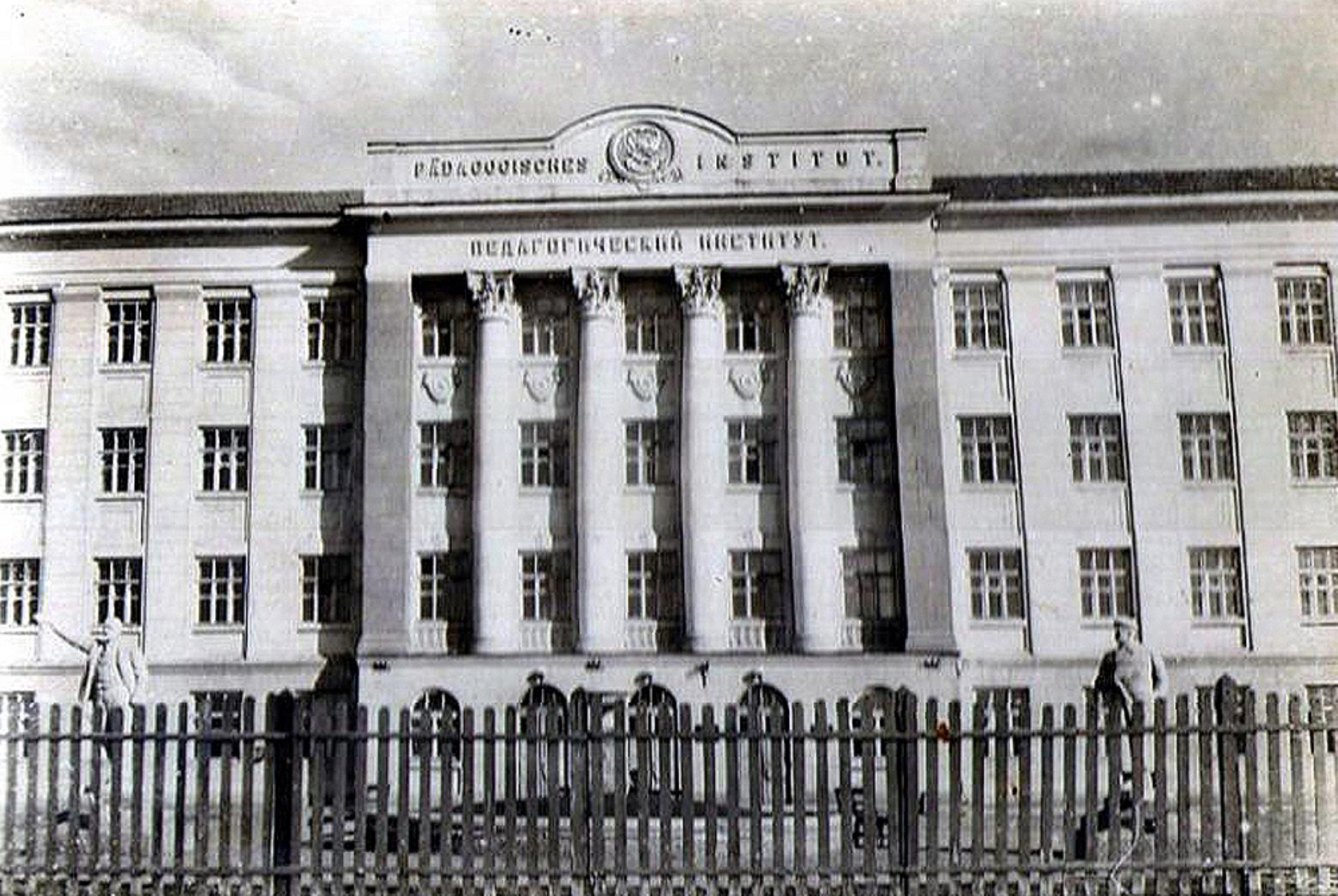


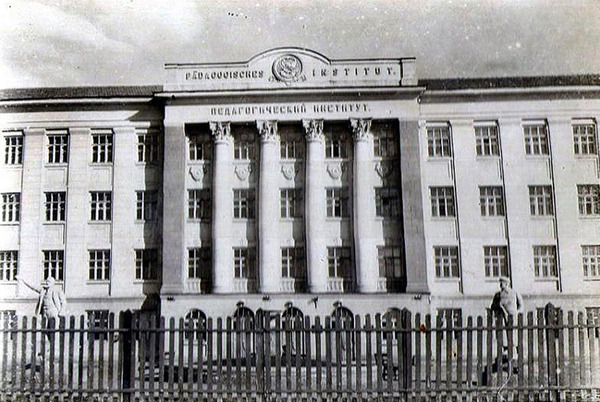
In the summer of 1922, the town of Pokrovsk became the capital of an Autonomous Oblast (Labor Commune) of Volga Germans, later newly established Volga German Autonomous Soviet Socialist Republic within the RSFSR. The status of the capital boosted the further development of the town, both in economic and socio-cultural terms, including the construction of schools, technical schools and colleges. The problem with personnel in the Republic of Volga Germans in the 20s was a burning issue, the teachers’competence far from optimal. On September 18, 1928, the Small Council of People’s Commissars adopted a resolution on the opening of the German Pedagogical Institute, approved on October 5 of the same year, which, in particular, stated: ‘The German Pedagogical Institute in Nemrespublika (in Pokrovsk) for the training of teaching staff both for the ASSR NP and for the German population of the entire Soviet Union needs to be recognized’.
Johannes Friedrich Schwab was appointed the first Institute Director and Georg Heinrich Dinges appointed the Vice-Rector. The Institute began to train and qualify national staff for the German population of the whole country. Professor Dinges, as a consultant of the organizing committee, estimated the maximum possible teaching salary rates at the time, taking into account the difficulties to attract people of science to the provincial town of Pokrovsk. The establishment of the fundamental research library was of primary importance. G. Dinges did everything necessary to collect scientific journals and encyclopedias in all disciplines. A lot of books were received from abroad. The wave of repression and searching for enemies began in the 1930s. A lot of teachers, professors and scientists were charged with anti-Soviet activity. Paul Rau committed a suicide, Georg Dinges and many others at the root of education and enlightenment died in exile. None of the arrested came back to work. The Institute personnel were badly affected as well as the research library. ‘Anti-Soviet’ and ‘bourgeois’ editions were seized.
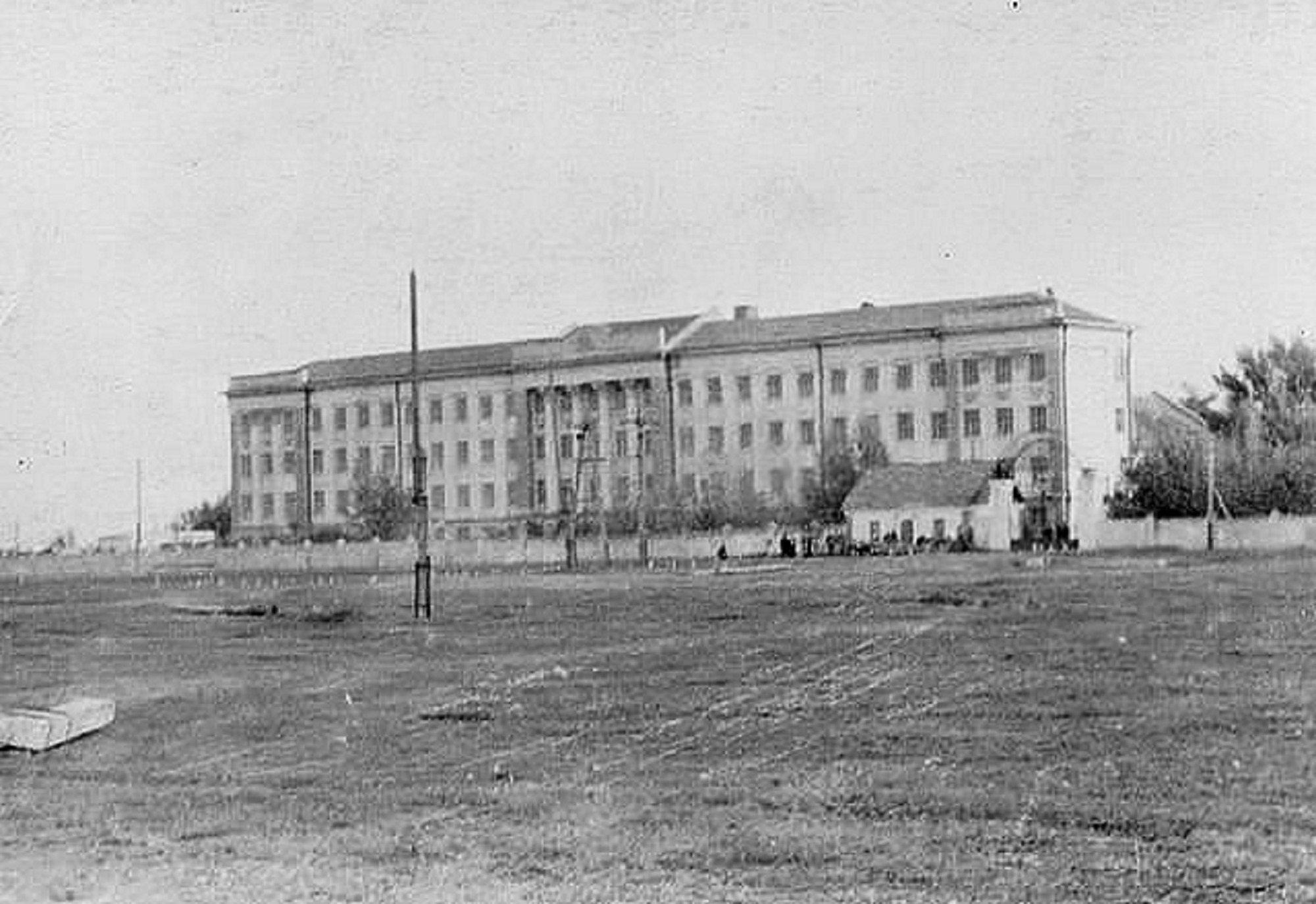
In 1941, the Volga German Republic abolished, the Institute was found obsolete.Evacuees began to arrive in the rear town. The four-story main institute building was assigned to host the Soviet Navy’s Air Defence School, evacuated from the town of Strelnya, Leningarad Oblast (Region).
Johannes Friedrich Schwab was appointed the first Institute Director and Georg Heinrich Dinges appointed the Vice-Rector. The Institute began to train and qualify national staff for the German population of the whole country. Professor Dinges, as a consultant of the organizing committee, estimated the maximum possible teaching salary rates at the time, taking into account the difficulties to attract people of science to the provincial town of Pokrovsk. The establishment of the fundamental research library was of primary importance. G. Dinges did everything necessary to collect scientific journals and encyclopedias in all disciplines. A lot of books were received from abroad. The wave of repression and searching for enemies began in the 1930s. A lot of teachers, professors and scientists were charged with anti-Soviet activity. Paul Rau committed a suicide, Georg Dinges and many others at the root of education and enlightenment died in exile. None of the arrested came back to work. The Institute personnel were badly affected as well as the research library. ‘Anti-Soviet’ and ‘bourgeois’ editions were seized.
In 1941, the Volga German Republic abolished, the Institute was found obsolete.Evacuees began to arrive in the rear town. The four-story main institute building was assigned to host the Soviet Navy’s Air Defence School, evacuated from the town of Strelnya, Leningarad Oblast (Region).