Leather processing has a thousand-year history. Experts studying this area distinguish three different techniques: embossing, sewing, and burning, but the finds made in the mosaic technique are unique and extremely rare. The earliest example dates back to the 18th century, so it is not possible to establish whether such technology existed before.
Mosaic can be confused with appliqué. In the appliqué, patterns are sewn onto the leather surface, while in the leather mosaic, patterned details are cut out from multi-colored pieces of leather and sewn to each other. At the same time, the distance between the pieces of material is filled with a twisted colored thread, and the leather pieces are pulled together with a special seam.
Merchants from Bukhara arrived in the Tyumen region to establish trade relations with Siberia. Later they settled in these places and started cattle breeding. Bukhara settlers taught the local Siberian Tatars how to sew and embroider shoes with mosaics.
Today, the Embaevo Village Museum houses unique ancient specimens of rawhide leather shoes. Bast shoes of the Tatar type (“chabata”) were to be worn when toiling the ground, since they were as light and comfortable as possible. In winter, Tatars wore short and high felt boots, as well as leather boots with hard soles. For everyday use, they put on bast shoes and galoshes, and wore them with woven stockings. The shoes that were worn on festive occasions were made of multi-colored leather. Most often, women’s shoes were patterned and had heels. Tatar women’s shoes for festive events were patterned and made in compliance with ancient traditions using the technique of leather mosaic.
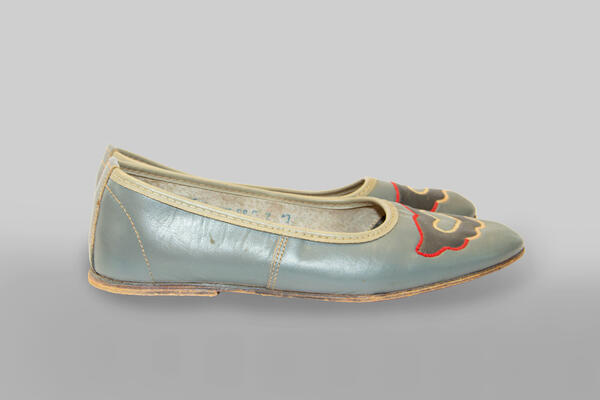
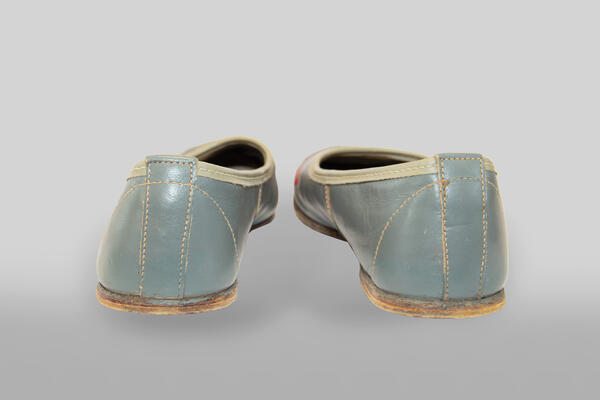
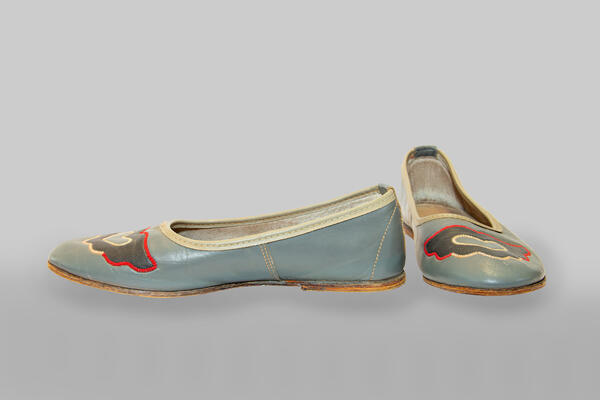
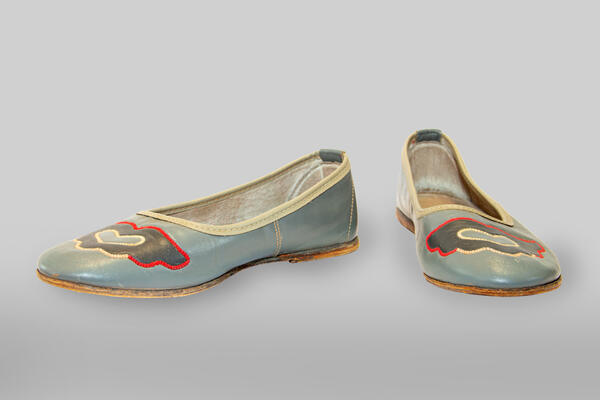
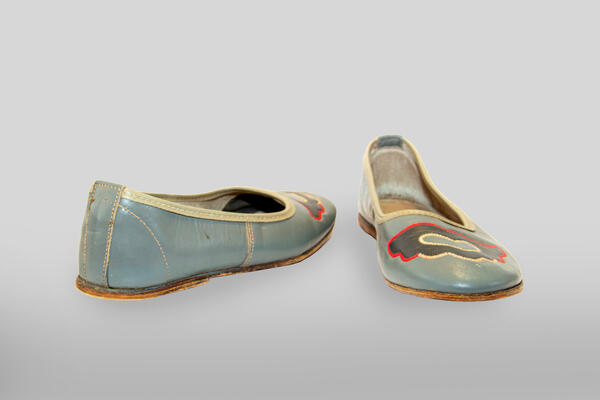
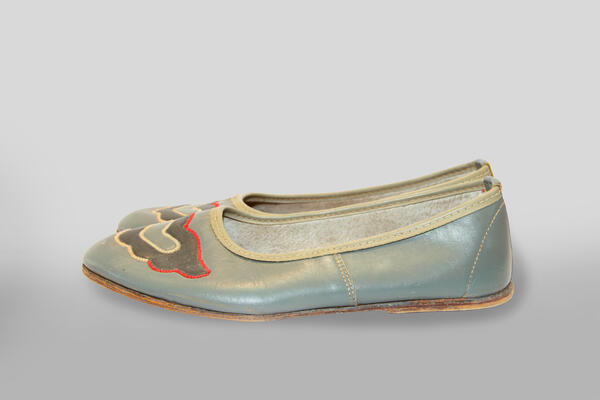
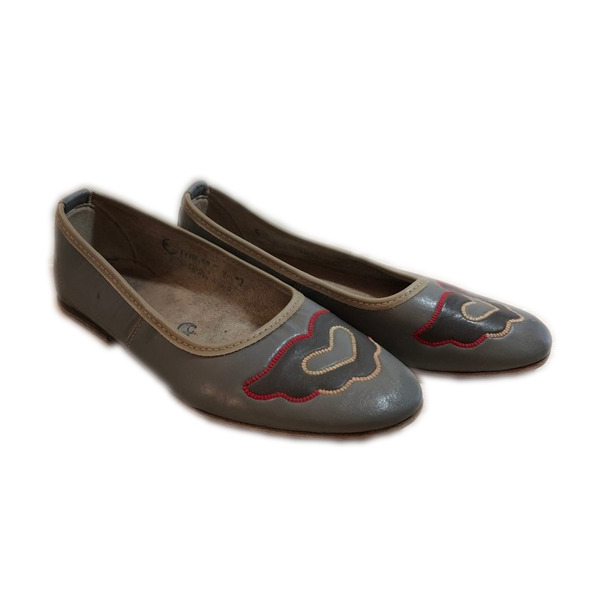
The summer slippers that are on display in the exhibition were donated to the museum by an old resident of the Embaevo village. These shoes were stylized and produced at a factory, and artisans embroidered the ornament. The floral style with the tulip motif indicates that the red and dark gray pattern belongs to the Tatar national colors. The tulip, which was often featured in Tatar embroidery, symbolized renewal.
Mosaic can be confused with appliqué. In the appliqué, patterns are sewn onto the leather surface, while in the leather mosaic, patterned details are cut out from multi-colored pieces of leather and sewn to each other. At the same time, the distance between the pieces of material is filled with a twisted colored thread, and the leather pieces are pulled together with a special seam.
Merchants from Bukhara arrived in the Tyumen region to establish trade relations with Siberia. Later they settled in these places and started cattle breeding. Bukhara settlers taught the local Siberian Tatars how to sew and embroider shoes with mosaics.
Today, the Embaevo Village Museum houses unique ancient specimens of rawhide leather shoes. Bast shoes of the Tatar type (“chabata”) were to be worn when toiling the ground, since they were as light and comfortable as possible. In winter, Tatars wore short and high felt boots, as well as leather boots with hard soles. For everyday use, they put on bast shoes and galoshes, and wore them with woven stockings. The shoes that were worn on festive occasions were made of multi-colored leather. Most often, women’s shoes were patterned and had heels. Tatar women’s shoes for festive events were patterned and made in compliance with ancient traditions using the technique of leather mosaic.
The summer slippers that are on display in the exhibition were donated to the museum by an old resident of the Embaevo village. These shoes were stylized and produced at a factory, and artisans embroidered the ornament. The floral style with the tulip motif indicates that the red and dark gray pattern belongs to the Tatar national colors. The tulip, which was often featured in Tatar embroidery, symbolized renewal.