

Upper-class Kazan, Siberian, and Astrakhan Tatars, who were close to the khan, wore expensive personal ornaments. The jewelry consisted of embossed gilded moon-shaped plates (“aichyk”), encrusted with precious stones and gems. Some items, such as miniature Quran cases, also served as amulets. They came in various shapes — they could be oval, rectangular, cylindrical, or multifaceted.
Research has shown that chains with pendants originated earlier than bracelets. Pendants were “recorded” as jewelry in ancient Egypt, but there is a lot of evidence that prehistoric civilizations had their own protective amulets. The ancient people wore necklaces made of shells, animal teeth, and other natural materials as amulets to protect against evil spirits. In the process of evolution, pendants retained their protective function, and the variety of items that began to be made of stones, metal, wood or crystals expanded.
“You will first hear a Tatar woman, and then you will see” — this saying appeared due to the large number of jewelry Tatar women have worn for a long time. Their jewelry, including braids, brooches and necklaces, was invariably flashy and ostentatious. Tatar women richly adorned their arms and hands with various bracelets and rings. They wore earrings from the age of three or four to old age. If Tatar women today decide to spice up their outfit with traditional details, then they would opt for smaller and more modest jewelry including earrings and rings.
The national traits of Tatar jewelry are still traced in patterns associated with the Muslim tradition. Silver of varying degrees of purity (“kumish”) was the main material used to make jewelry. Gold was used much less frequently.
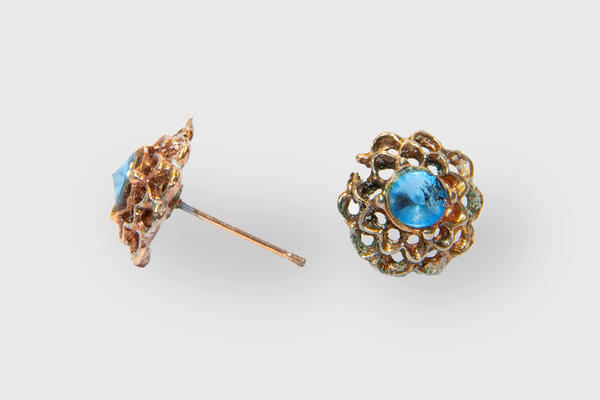
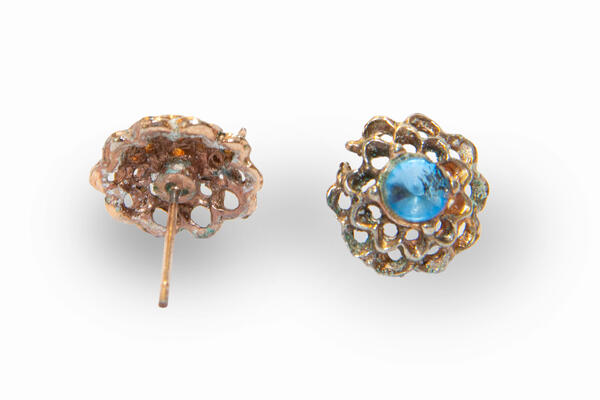
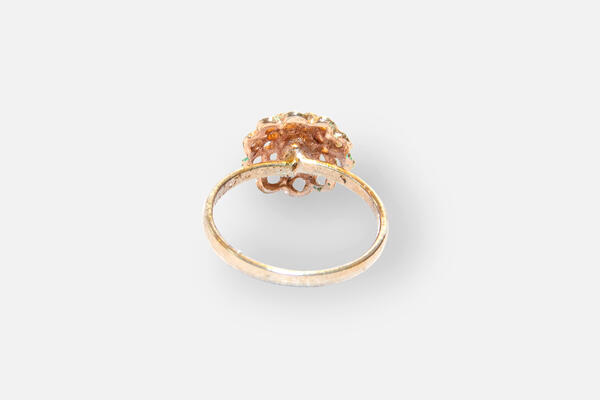
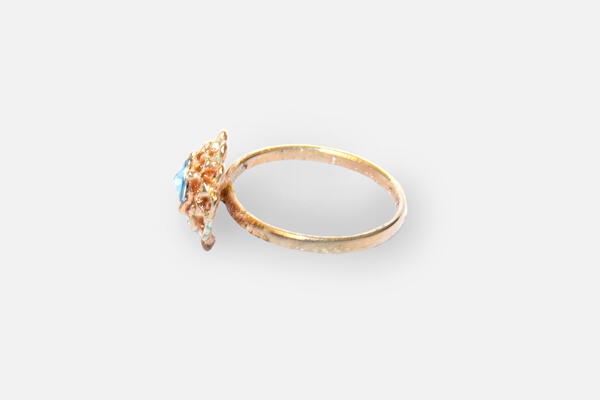
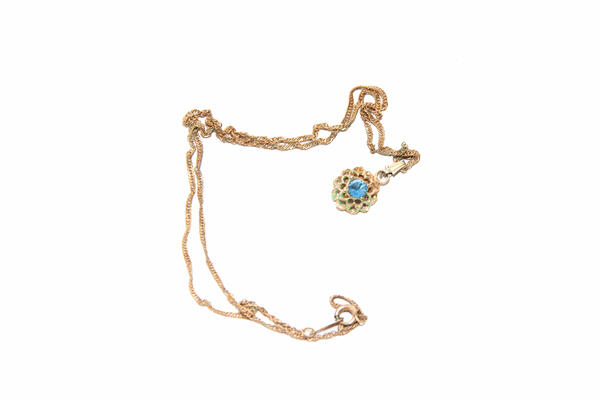
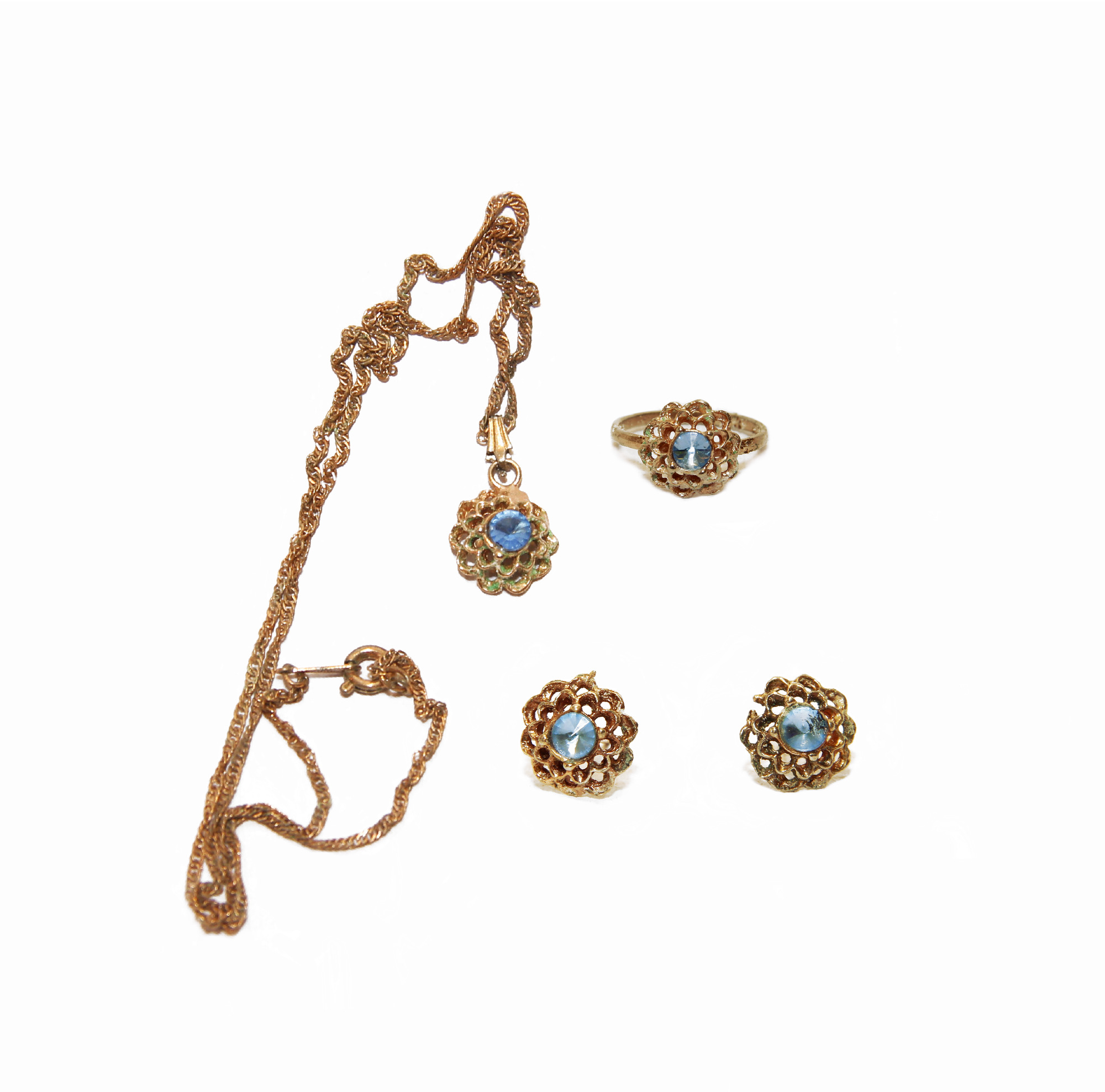
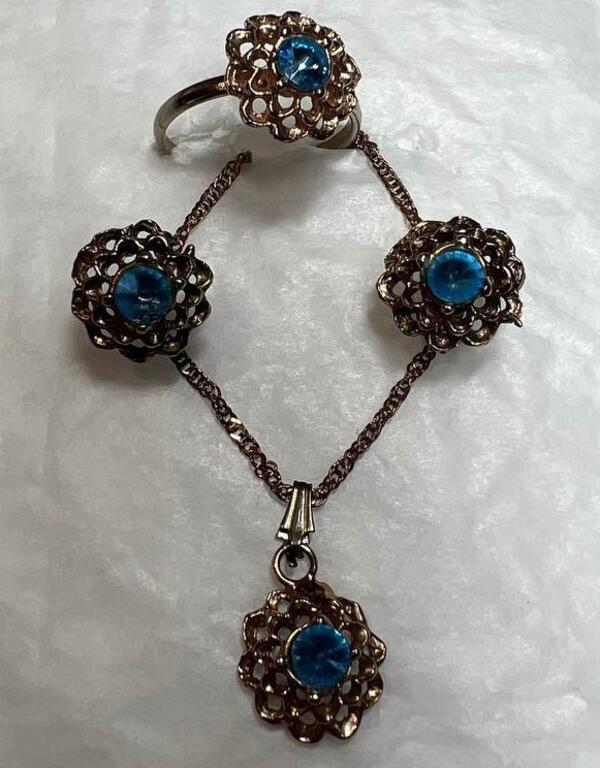
The museum exhibits include a set of women’s jewelry with a blue stone dating to the beginning of the 20th century. The ring, earrings and pendant are made in the form of a flower rosette with a blue stone. The set was donated to the museum in 1999 by Rauza Khismatullina, born in 1929.
Research has shown that chains with pendants originated earlier than bracelets. Pendants were “recorded” as jewelry in ancient Egypt, but there is a lot of evidence that prehistoric civilizations had their own protective amulets. The ancient people wore necklaces made of shells, animal teeth, and other natural materials as amulets to protect against evil spirits. In the process of evolution, pendants retained their protective function, and the variety of items that began to be made of stones, metal, wood or crystals expanded.
“You will first hear a Tatar woman, and then you will see” — this saying appeared due to the large number of jewelry Tatar women have worn for a long time. Their jewelry, including braids, brooches and necklaces, was invariably flashy and ostentatious. Tatar women richly adorned their arms and hands with various bracelets and rings. They wore earrings from the age of three or four to old age. If Tatar women today decide to spice up their outfit with traditional details, then they would opt for smaller and more modest jewelry including earrings and rings.
The national traits of Tatar jewelry are still traced in patterns associated with the Muslim tradition. Silver of varying degrees of purity (“kumish”) was the main material used to make jewelry. Gold was used much less frequently.
The museum exhibits include a set of women’s jewelry with a blue stone dating to the beginning of the 20th century. The ring, earrings and pendant are made in the form of a flower rosette with a blue stone. The set was donated to the museum in 1999 by Rauza Khismatullina, born in 1929.