

Women’s fashion at all times grasped and reflected important cultural trends in the best possible way. Rectangular silhouettes with high waists, corsets and petticoats, puffed sleeves and crinolines closely followed the changing eras of Empire, Romanticism and Rococo.
In the mid-19th century, there were two fashion camps in Russia. Women in one camp wore deliberately simple, slightly draped dresses à la russe in the style of the pre-Petrine era. Admirers of the other camp followed the European tendencies and ordered dresses in the bustle style with a very draped up skirt, with special padded bolsters and frames. For the most part, the ladies adhered to Parisian fashion.
Back in the 18th century, it was from Paris that the first fashion magazines and “fashion pictures” were supplied to Russia. It was in the modiste’s shop that women could study them and choose a style that appealed to them. After discussing the details with the client, the seamstress created a pattern based on a black and white image of the finished dress.
In the second half of the 19th century modists’ work became easier: La Mode magazines began to include detailed guidelines for dressmaking.
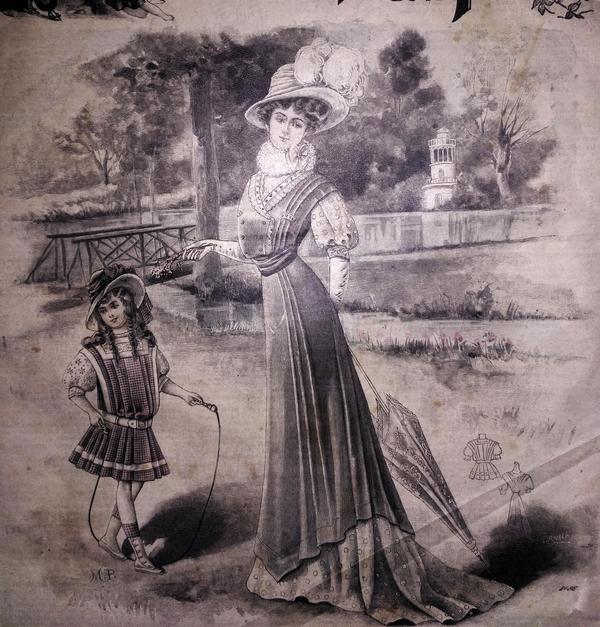
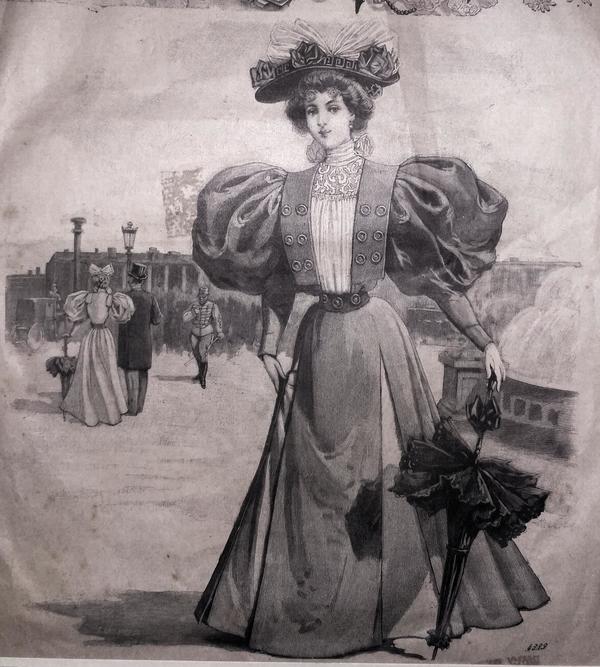
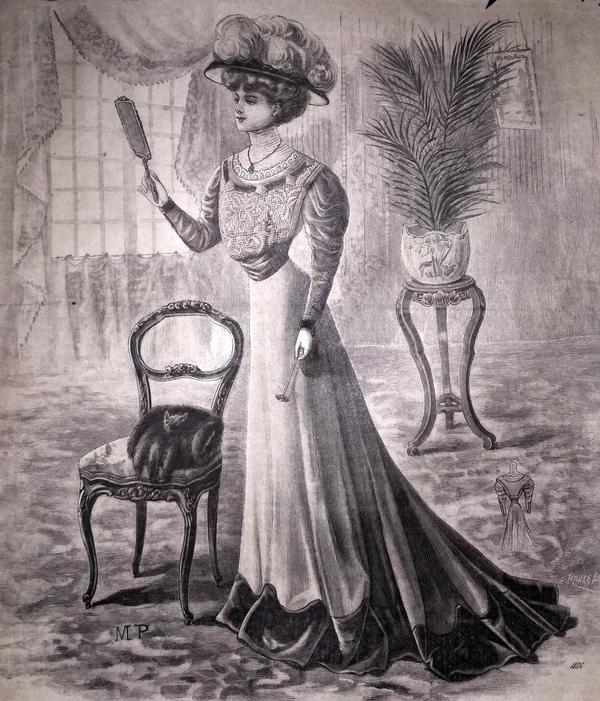
In 1860 La Mode illustrée, one of France’s most popular magazines, was published. Every reader could find something of value in it: tips on cooking and teaching, puzzles and musical scores, poetry and prose and, of course, a guide to sewing outfits, including children’s ones.
Fashion posters-lithographs by Paul Gavarni attracted attention not only because of the attire they featured, but also because of their entertaining subject matter. They were considered a piece of art in their own right or even a collector’s item. They were placed in colored matting and elegant frames to decorate maidens’ bedrooms, boudoirs, ladies’ living rooms and offices. They were also displayed on the walls and windows of workshops as advertisements.
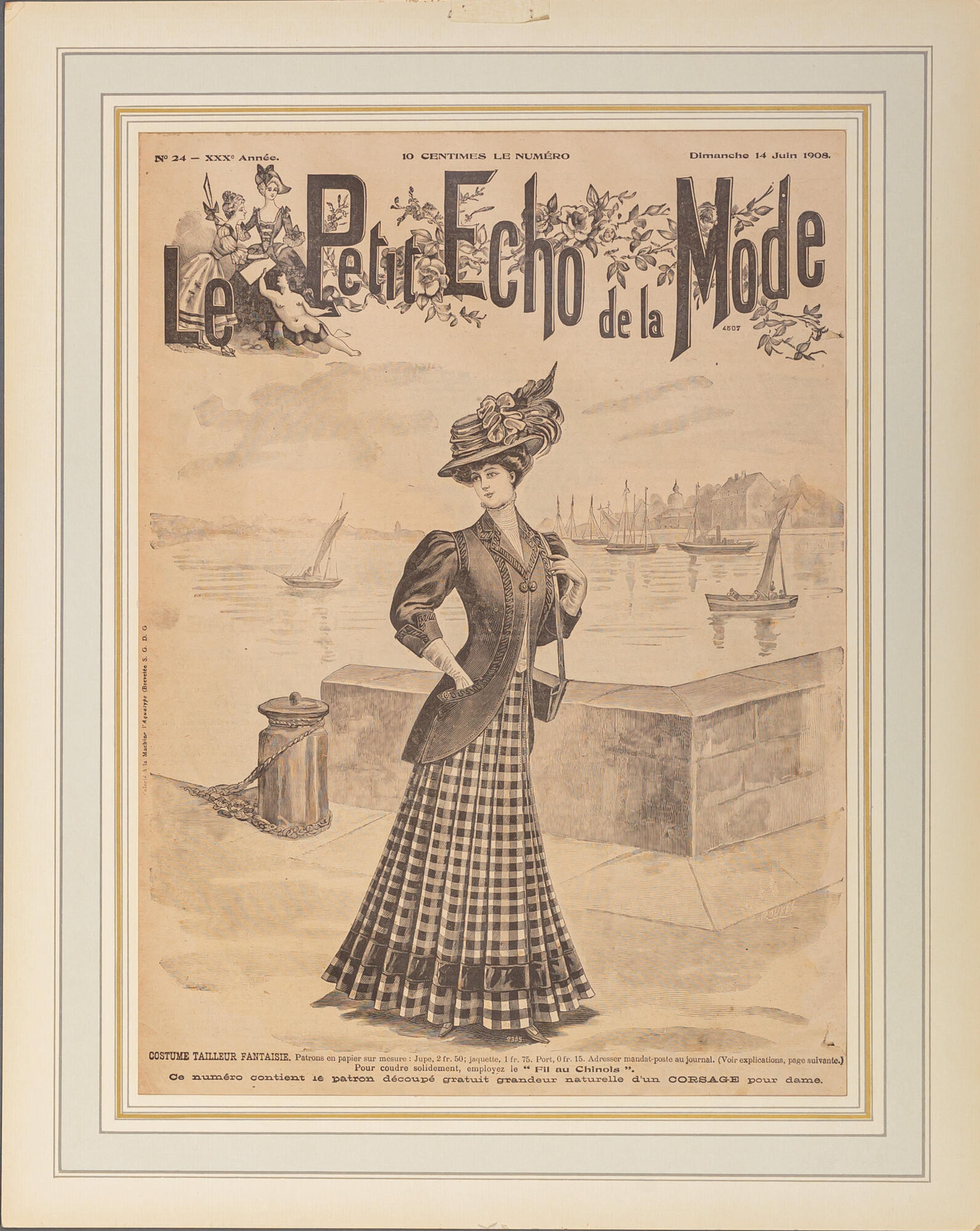
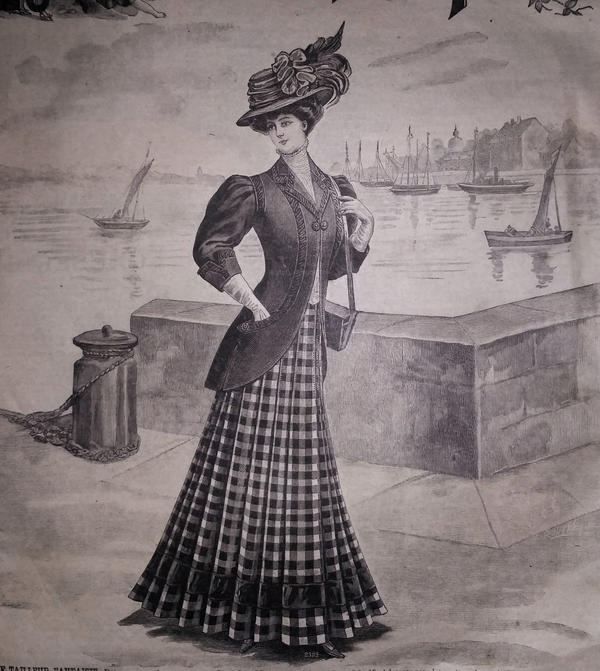
The French magazine Le Petit Echo de la Mode (Little Echo of Fashion), founded in 1880, was devoted to fashion itself, the current trends in the world of color, form and material.
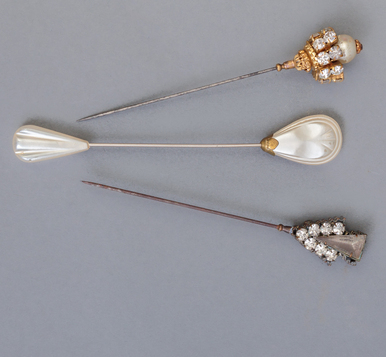
On 1 January 1885, Russia’s first original magazine, Vestnik Modi (Fashion Herald), was published. The circulation was sold out in a single day. In the 1900s, Russian fashionistas were already drawing inspiration from domestic publications: “Ladies’ World”, “Paris Fashion for Russian Readers”, “Modern Woman” and others. They contained images of fashionable outfits, recommendations on buying accessories, cut-outs, embroidery schemes and much more.
In the issues of 1910, the black-and-white illustrations were replaced by color ones.
In the mid-19th century, there were two fashion camps in Russia. Women in one camp wore deliberately simple, slightly draped dresses à la russe in the style of the pre-Petrine era. Admirers of the other camp followed the European tendencies and ordered dresses in the bustle style with a very draped up skirt, with special padded bolsters and frames. For the most part, the ladies adhered to Parisian fashion.
Back in the 18th century, it was from Paris that the first fashion magazines and “fashion pictures” were supplied to Russia. It was in the modiste’s shop that women could study them and choose a style that appealed to them. After discussing the details with the client, the seamstress created a pattern based on a black and white image of the finished dress.
In the second half of the 19th century modists’ work became easier: La Mode magazines began to include detailed guidelines for dressmaking.
In 1860 La Mode illustrée, one of France’s most popular magazines, was published. Every reader could find something of value in it: tips on cooking and teaching, puzzles and musical scores, poetry and prose and, of course, a guide to sewing outfits, including children’s ones.
Fashion posters-lithographs by Paul Gavarni attracted attention not only because of the attire they featured, but also because of their entertaining subject matter. They were considered a piece of art in their own right or even a collector’s item. They were placed in colored matting and elegant frames to decorate maidens’ bedrooms, boudoirs, ladies’ living rooms and offices. They were also displayed on the walls and windows of workshops as advertisements.
The French magazine Le Petit Echo de la Mode (Little Echo of Fashion), founded in 1880, was devoted to fashion itself, the current trends in the world of color, form and material.
On 1 January 1885, Russia’s first original magazine, Vestnik Modi (Fashion Herald), was published. The circulation was sold out in a single day. In the 1900s, Russian fashionistas were already drawing inspiration from domestic publications: “Ladies’ World”, “Paris Fashion for Russian Readers”, “Modern Woman” and others. They contained images of fashionable outfits, recommendations on buying accessories, cut-outs, embroidery schemes and much more.
In the issues of 1910, the black-and-white illustrations were replaced by color ones.