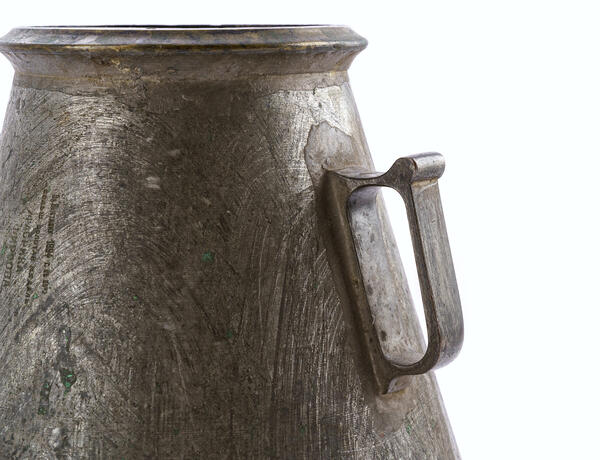
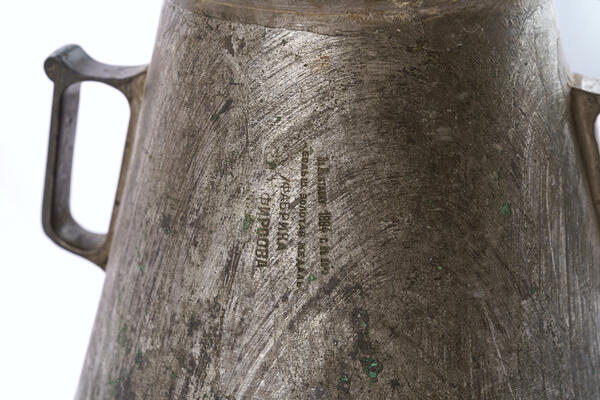
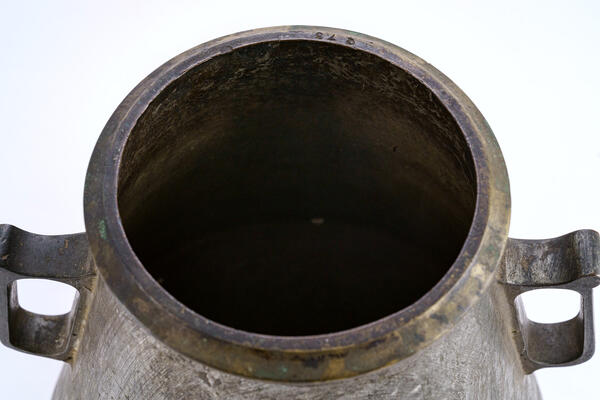
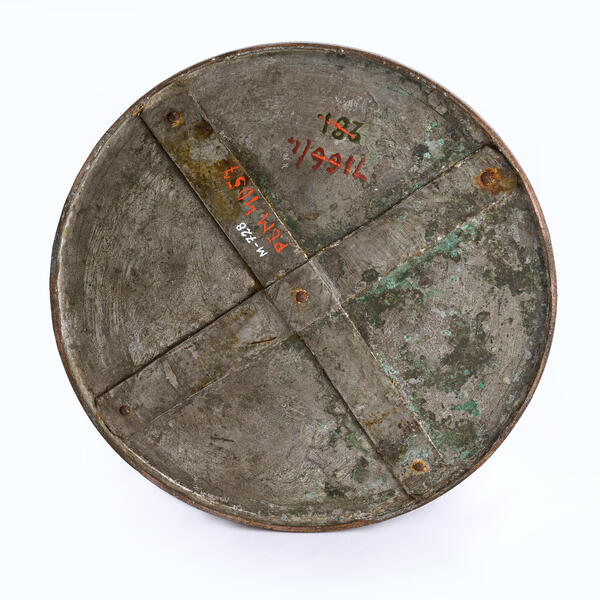
Prior to the adoption of the metric system, one of the earliest and most significant Russian units of measurement for the volume of liquid, the bucket, was equivalent to 1/40th of a barrel — 10 mugs — 30 pounds of water — 20 bottles — 100 cups or 200 shkaliks. These measuring vessels were typically made of iron, wood, or leather and were mostly cylindrical in shape with handles or a shaft for carrying. In practical use, two buckets were to be light enough to be carried on a yoke by a woman.
Until the mid-17th century, the standard bucket was equivalent to 12 mugs. In the latter half of the 17th century, the state approved bucket contained only ten mugs, equivalent to one hundred cups. Subsequently, by a decree from 1652, cups were made three times larger in comparison to previous ones, so that eight mugs could fill one bucket for conducting trade.
The size of one bucket varied, while the size of one mug remained set at three pounds (1228.5 grams) of water.
The barrel, as a unit of measurement for liquids, was mainly used in trade with foreigners, where it was prohibited for individuals to engage in retail sales of wine in smaller quantities. The capacity of a barrel was 40 buckets, which is approximately 492 liters. The material used to create barrels varied depending on their intended purpose. For example, oak wood was used for beer, wine, and vegetable oil.
In addition to barrels, glass measuring vessels were also used in Russia. Factories began producing glass in 1635, with the first domestic bottles being produced at a factory located near the modern-day Istra station, outside Moscow. Initially, these vessels were intended solely for pharmacists.
The unit of measurement for wine, known as the “bottle, ” was introduced in Russia during the reign of Peter I. A Russian bottle was equal to 1/20th of a standard bucket. The concept of a unit of measurement based on a piece of tableware and used to measure the volume of alcoholic beverages in pre-revolutionary Russia emerged only in the 18th century.
The Wine Statute of 1781 required that all drinking establishments have “measures certified by the Treasury Chamber”. The main unit, the bucket, was equal to 12.299 liters, and all other units were multiples of the bucket. The base unit was divided by powers of two for smaller measurements: one bucket consisted of two half buckets or four quarters, or eight half quarters. One bucket could also be divided into mugs or cups, which were smaller units of measurement.