

Every Khanty family living in the taiga has three camps: a winter camp, spring-autumn camp, and summer camp. Moving from one camp to another depends on many factors. For example, it depends on the season and the amount of food for deer.
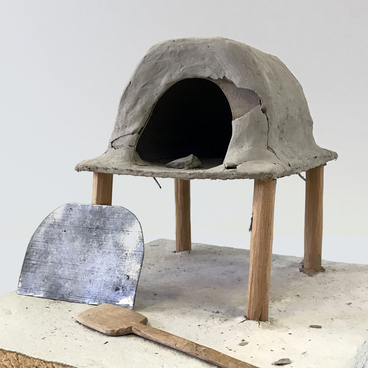
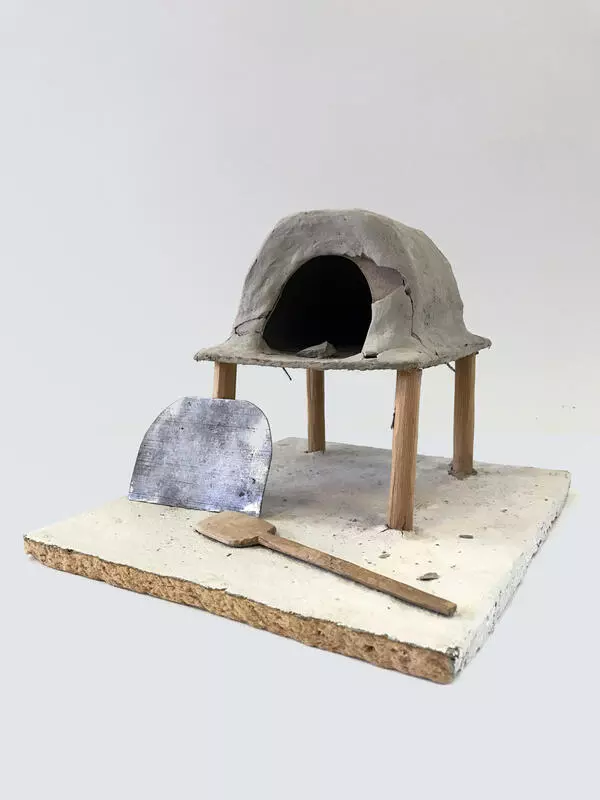
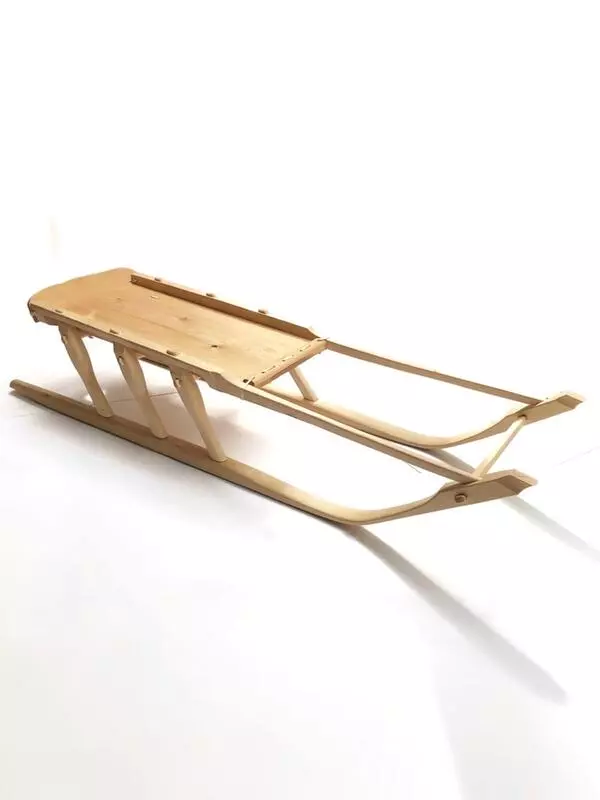
Every nomad camp includes huts, “corrals” (pens for deer), utility rooms, “shulkhots” (outbuildings), a wood-burning stove, a “nyan kor” (bread oven), sleds, and a “labaz” (storehouse).
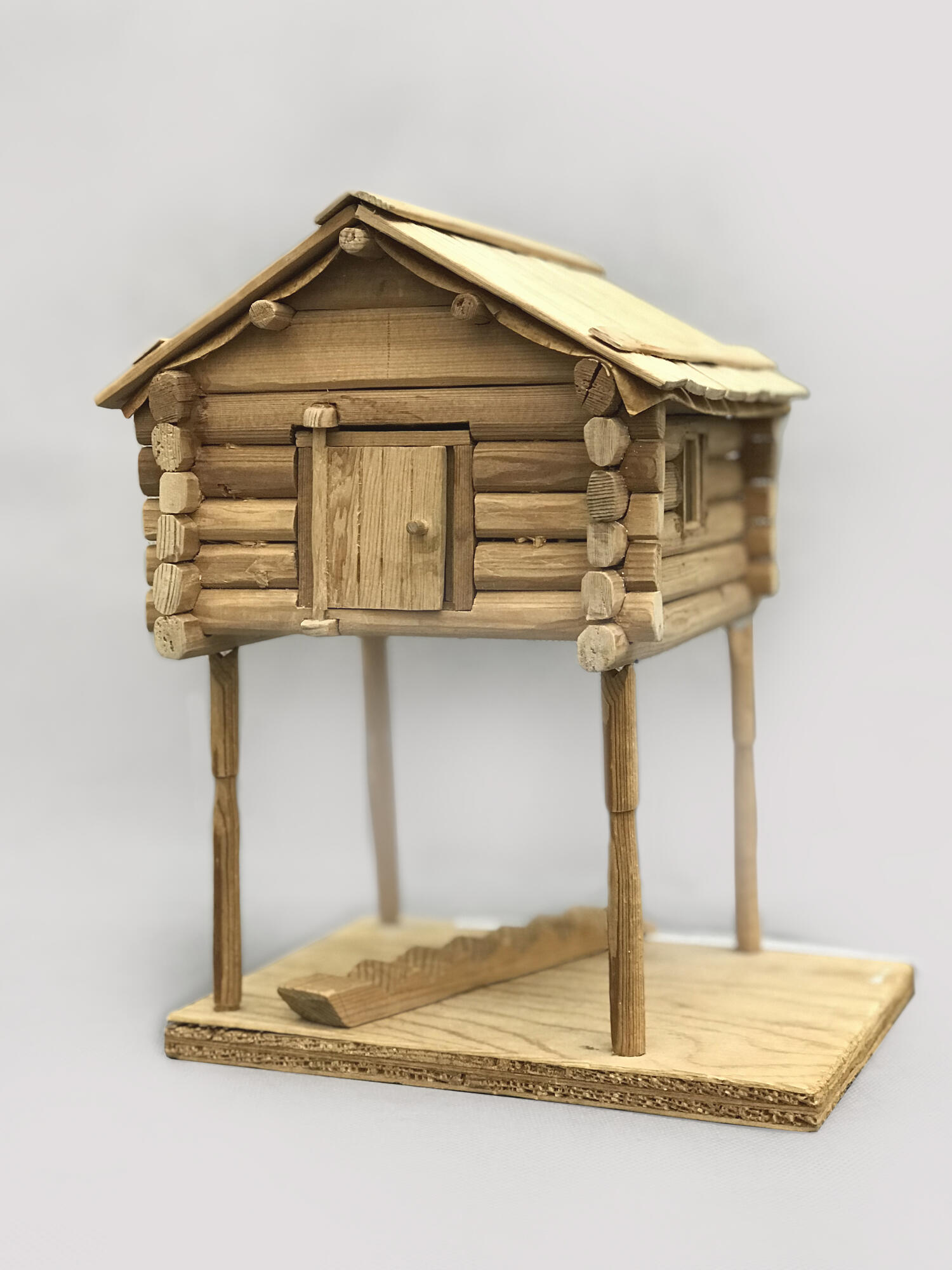
A “labaz” storehouse is a small hut designed for storing food, clothing or household utensils.
Such huts are built on high wooden piles so that in case of flooding, they stay above the water surface. Deep notches or wooden rings are made on the poles, which prevent wild animals and rodents from getting inside and destroying the supplies. The huts, where gear, clothing, utensils, and meat are stored, are built on average three by three meters big, and the height of the piles is about two meters.
Every nomad camp includes huts, “corrals” (pens for deer), utility rooms, “shulkhots” (outbuildings), a wood-burning stove, a “nyan kor” (bread oven), sleds, and a “labaz” (storehouse).
A “labaz” storehouse is a small hut designed for storing food, clothing or household utensils.
Such huts are built on high wooden piles so that in case of flooding, they stay above the water surface. Deep notches or wooden rings are made on the poles, which prevent wild animals and rodents from getting inside and destroying the supplies. The huts, where gear, clothing, utensils, and meat are stored, are built on average three by three meters big, and the height of the piles is about two meters.
In addition to storehouses used for storing household items, the Khanty people also have sacred ones. They are a little bit smaller but put on higher piles. According to their tradition, the sacred labaz is installed at some distance from the residential hut on the eastern part of the camp where the sun rises. The Khanty people believe that not only the house that stores objects of the Patron Spirit of the genus and ancestral idols, but also the space around it is sacred. It is forbidden to be in a sacred house after dusk and to take anything away from there.
The sacred house is built on the so-called pure land. They are never built on the sites of fires, accidents, and burials, as well as near the roads.
When guests come to the camp, they always bring gifts for the Patron Spirit of the family, for example, valuable furs, embroidered handkerchiefs with ornaments, dressing gowns and shirts. Along with the guests, the Khanty people prepare food for a feast, treats and delicacies, and also perform a rite of Worship.
It is forbidden for women to go up to both sacred and storehouses. In addition, they are not allowed to stay near these buildings with their heads uncovered. Violation of these rules is considered a great sin, for which, according to the faith of the Khanty, the whole family will suffer punishment.
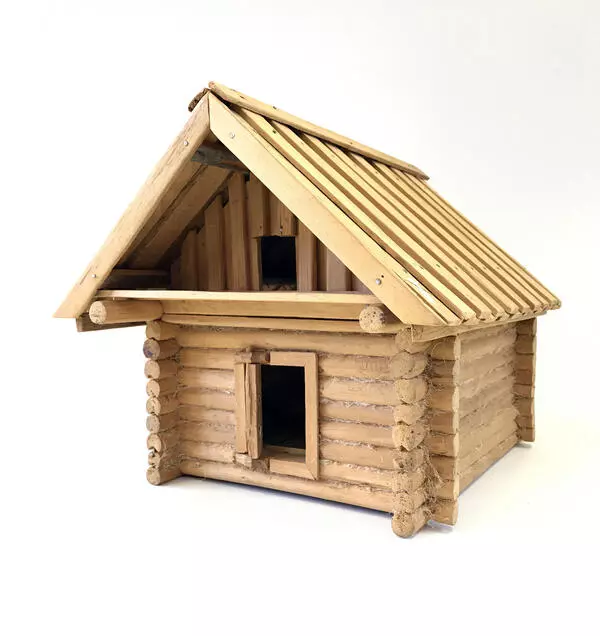
The museum’s exposition presents a miniature wooden storehouse. In the old days, such small copies of buildings and other objects served as toys for children. They were made of natural materials such as clay, birchbark, wood, leather, and fur.
The sacred house is built on the so-called pure land. They are never built on the sites of fires, accidents, and burials, as well as near the roads.
When guests come to the camp, they always bring gifts for the Patron Spirit of the family, for example, valuable furs, embroidered handkerchiefs with ornaments, dressing gowns and shirts. Along with the guests, the Khanty people prepare food for a feast, treats and delicacies, and also perform a rite of Worship.
It is forbidden for women to go up to both sacred and storehouses. In addition, they are not allowed to stay near these buildings with their heads uncovered. Violation of these rules is considered a great sin, for which, according to the faith of the Khanty, the whole family will suffer punishment.
The museum’s exposition presents a miniature wooden storehouse. In the old days, such small copies of buildings and other objects served as toys for children. They were made of natural materials such as clay, birchbark, wood, leather, and fur.